Wind tower manufacturing requires specialized skills to produce highly precise and efficient products through innovative methods. The wind tower manufacturing process depends on wind tower manufacturing positioners which serve as its essential equipment. The industrial production system has been transformed by these tools which create more efficient work processes while safeguarding employee wellbeing and maintaining product quality standards. This blog explains how positioners have changed wind energy operations by demonstrating their ability to improve work processes while helping environmental protection efforts and fulfilling the rising need for sustainable energy options. The article shows how positioners function in contemporary wind tower manufacturing to help industrial professionals and technology enthusiasts understand their importance.
Introduction to Wind Tower Manufacturing
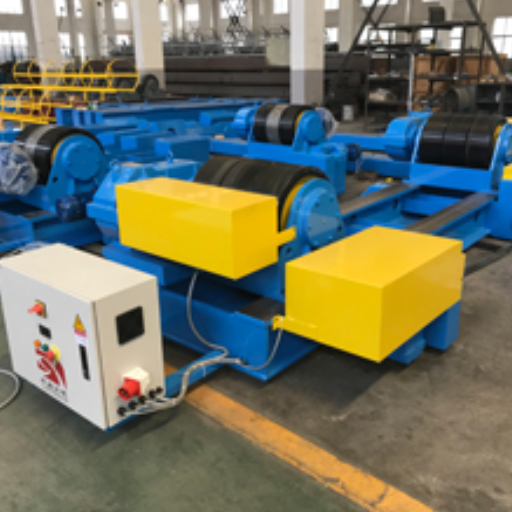
Overview of Wind Towers and Their Importance
The wind power system relies on wind towers which serve as the essential structure that supports wind turbines. The structure of wind towers enables them to raise turbine blades to their highest point so that they can catch the strongest and most dependable wind streams which result in optimal power production. Wind towers are made from steel and concrete materials which enable them to reach heights between 80 meters and 160 meters or more based on the specific turbine specifications and site conditions. The structure requires engineers to design it so that it withstands extreme weather conditions while maintaining its operational capacity for multiple decades.
The growing demand for renewable energy has led to continuous advancements in wind tower manufacturing. The development of taller wind towers which can support larger wind turbines has been made possible through advancements in material technology and design innovation and production methods. The production process focuses on sustainability because multiple manufacturing plants use energy-saving methods and they process recyclable materials. Wind towers serve as an effective system to capture wind energy which helps decrease global dependence on fossil fuels and supports the development of sustainable energy solutions for upcoming generations.
Current Trends in Wind Tower Production
Wind tower production operates through sustainable systems that create new solutions while developing existing technologies and producing wind towers. The industry now uses modular designs which enable remote sites to receive equipment through easier transportation methods that enable quick assembly. The development of lightweight composite materials together with high-strength alloy materials has made it possible for towers to handle increased stress while decreasing their necessary building materials. The automation process uses robotic welding together with precision manufacturing methods to increase production efficiency while decreasing the need for manual work. The global drive for renewable energy has led manufacturers to work together on developing taller wind towers which will produce more power for upcoming larger turbine models. The current trends show that organizations must achieve three goals by developing production methods which create optimal performance while decreasing costs and protecting the environment.
Challenges in the Wind Tower Manufacturing Process
The process of manufacturing wind towers requires advanced solutions to resolve multiple complex difficulties which need to be solved for the complete operation to function properly. The process of obtaining steel as a raw material presents a major challenge because it requires expensive resources and creates a high-energy demand during its production process. The process of transporting huge tower elements from their production locations to their installation points creates difficulties in handling the remote and offshore areas. The engineering work requires precise engineering and welding to create structural components which allow towers to resist extreme weather conditions but achieving uniform results through these methods presents an additional obstacle. The development of taller towers and larger turbines presents manufacturers with new engineering requirements and safety regulations which need to be maintained. The wind energy industry needs to achieve its objectives for producing cleaner and more efficient power by combining its technical needs with its operational requirements and its environmental restrictions.
Role of Positioners in Wind Tower Production
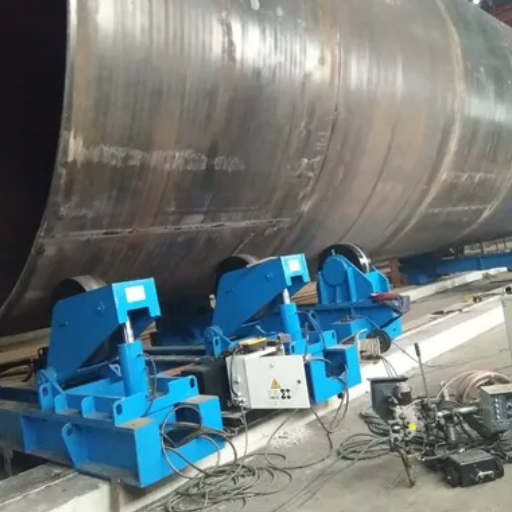
Understanding Wind Tower Manufacturing Positioners
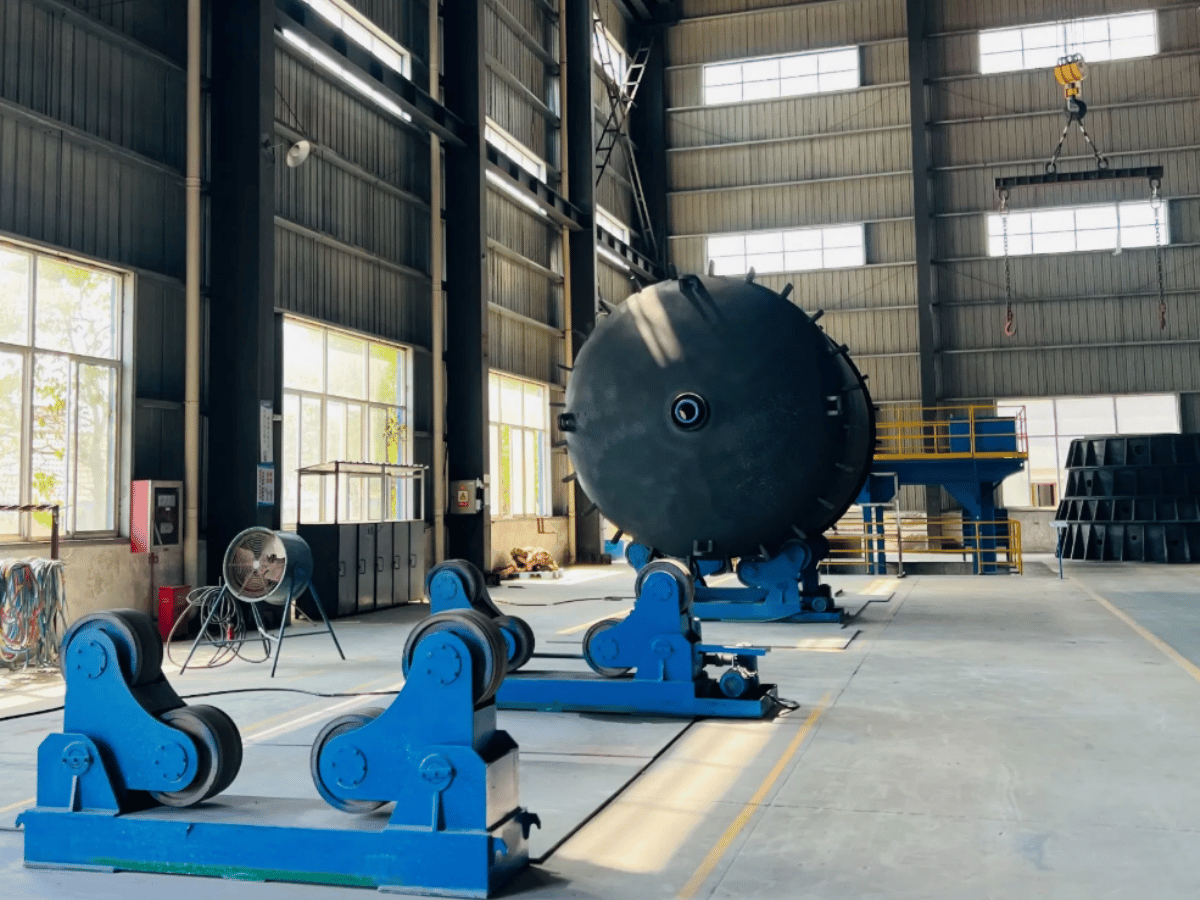
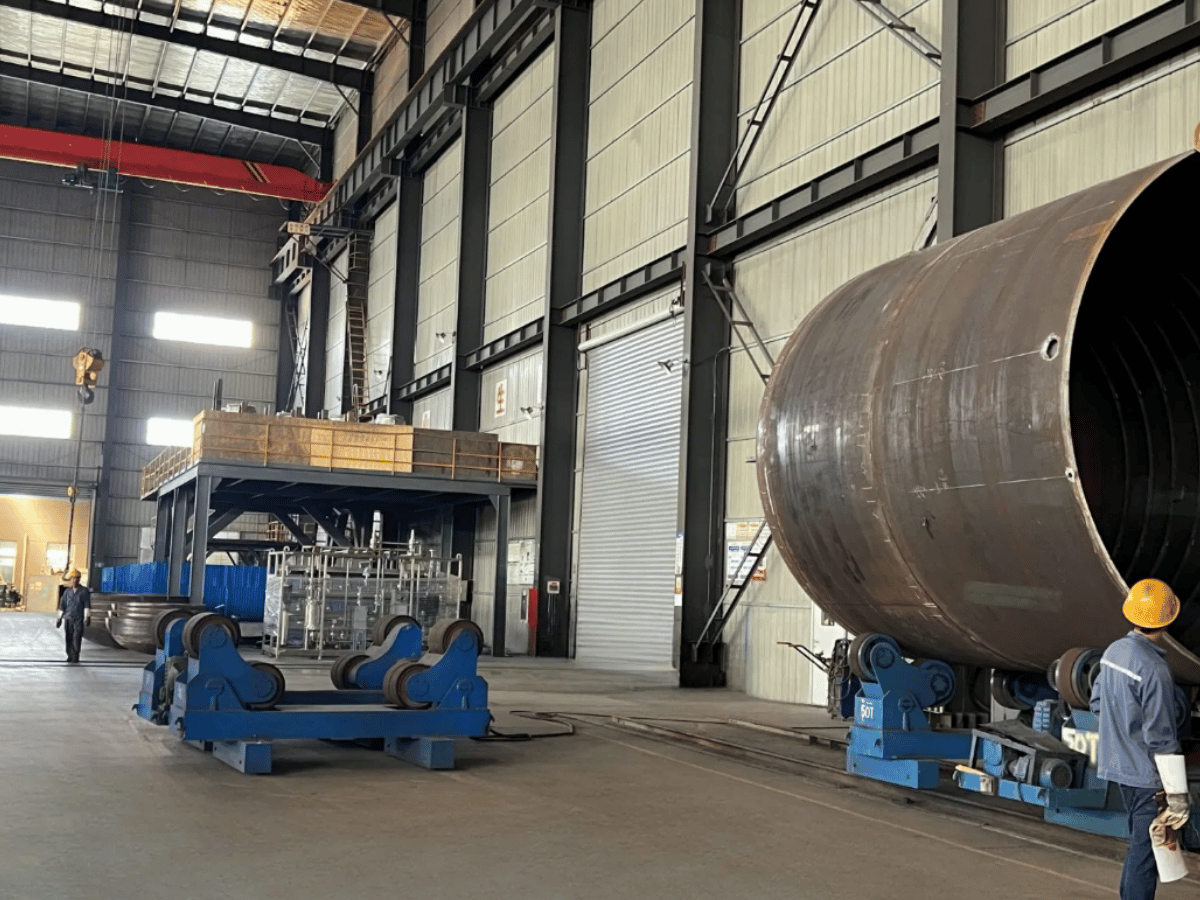
Positioners play a vital role in the production of wind towers because they improve all three aspects of manufacturing work which includes production speed and operational accuracy and workplace security. The specialized tools enable operators to move and rotate heavy tower components which include tower sections to achieve precise welding and assembly and inspection results. Workers who operate at various angles can complete their tasks with less effort which results in better work performance and reduced mistakes. The advanced positioners use multiple technological functions which include variable speed controls and remote operation and high load capacity functions to handle the growing size and weight of current wind tower components. The technological progress supports the industry requirement for both scalable systems and sustainable operations because it enables the development of larger turbines which extract greater energy from wind resources.
Types of Positioners Used in Production Lines
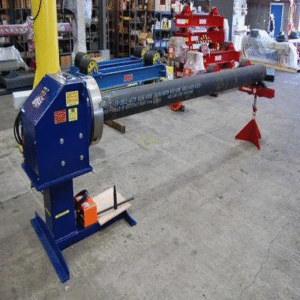
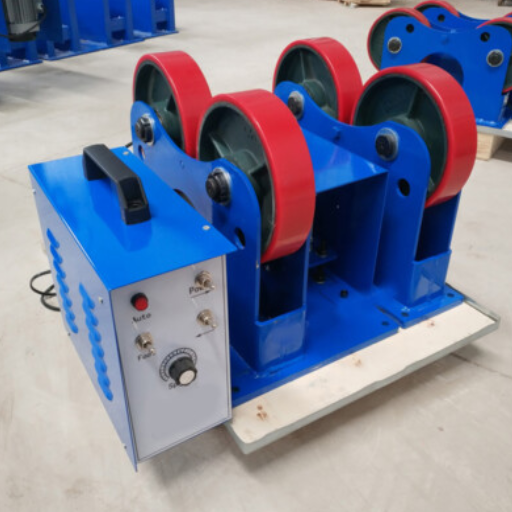
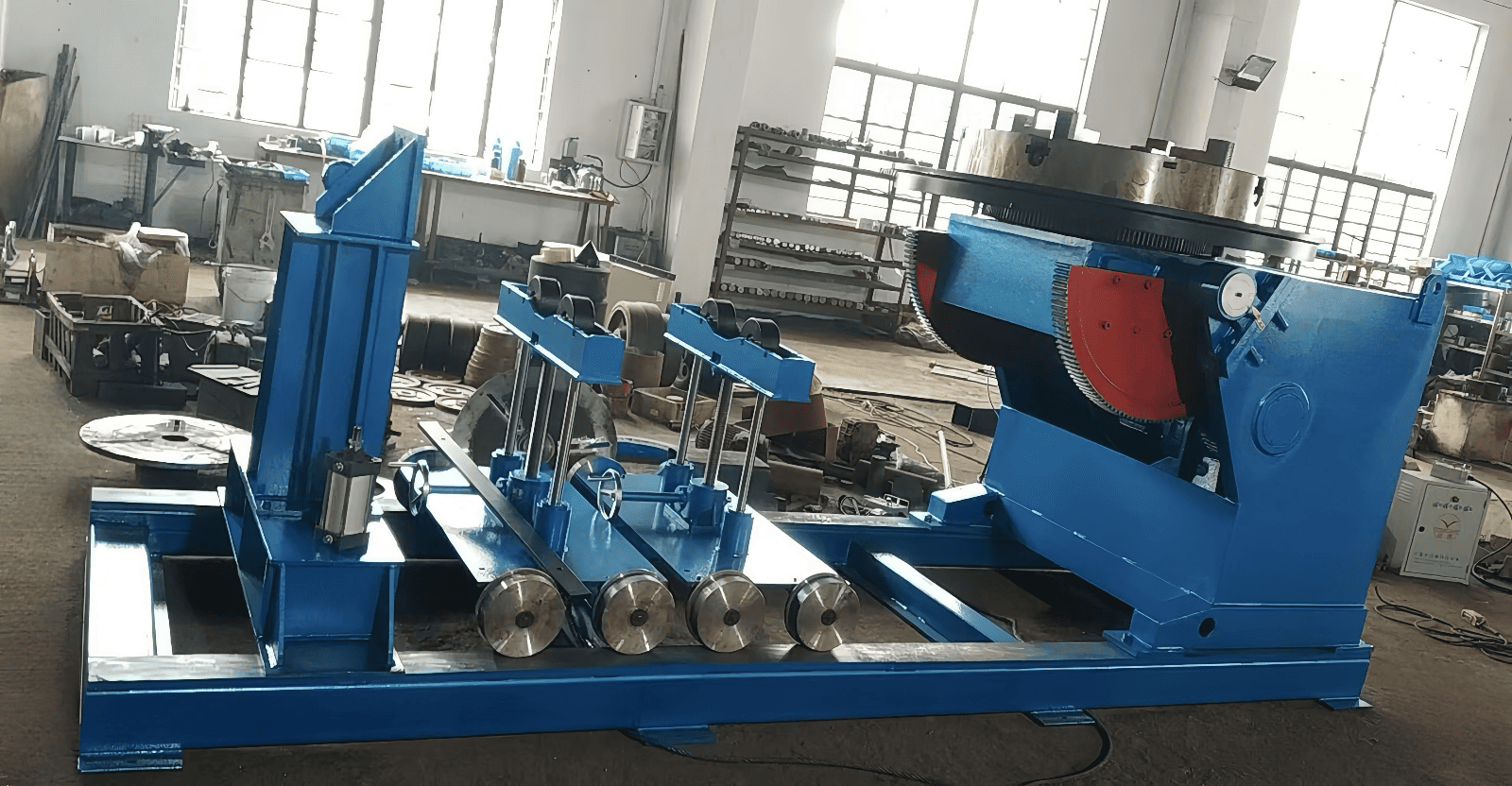
My study found that production lines use multiple positioner types which function according to their designated applications and operational requirements. The headstock and tailstock positioner serves as the most common positioner type which enables operators to handle wind tower sections and large pipes through its ability to handle lengthy and heavy materials. This positioner type uses dual end points to fix the workpiece which enables operators to turn or tilt the workpiece for welding or assembly or inspection work. The equipment proves ideal for industrial applications which need to conduct identical procedures with precise outcomes.
The turntable positioner represents another common positioner type which enables users to rotate objects through their horizontal axis. Turntables are often utilized in applications where continuous or repetitive welding is needed, as the steady and smooth rotation ensures consistent and high-quality results. The new advanced turntable positioners operate through their programmable controls which establish automated processes to enhance efficiency during production work that requires high output levels.
The category of elevating positioners includes equipment which lifts workpieces to required heights and angles from their starting positions. These systems operate in automated environments where both flexible movement patterns and exact work execution need to be maintained. The demand for manipulator positioners and robotic positioners has increased because of Industry 4.0. The positioners use robotic technology to deliver unmatched accuracy and flexibility and operational efficiency which makes them essential for contemporary production processes. Each positioner type operates to improve production line efficiency while maintaining safe working conditions and effective operational work methods.
Benefits of Using Positioners in Tower Welding
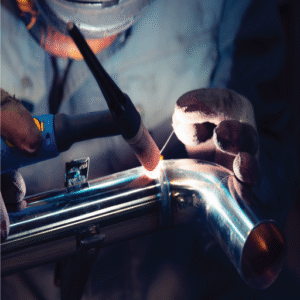
Positioners provide major benefits to tower welding operations because they improve both efficiency and operational quality. The equipment enables exact control of both angles and positions which leads to more accurate welding results and decreased material consumption. Positioners speed up production processes because they require fewer manual changes which would otherwise break operational continuity. The systems protect workers from dangerous situations because they eliminate the requirement for workers to lift heavy or awkward materials. Positioners have become essential components of contemporary welding operations because they enable factories and construction sites to achieve greater operational efficiency through their capacity to provide real-time data and accurate production tools which meet modern industrial requirements.
Improving Accuracy and Efficiency in Production Lines
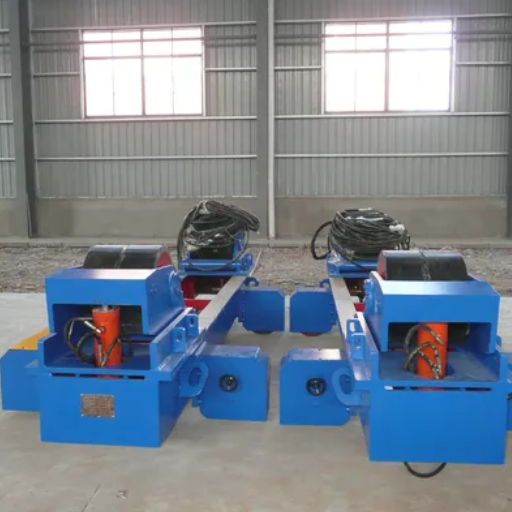
How Positioners Enhance Welding Automation
Positioners function as essential components within welding automation systems because they improve workpiece alignment while decreasing production times and enhancing overall welding results. The equipment achieves accurate workpiece positioning through its ability to precisely direct workpieces which enables welding robots and operators to produce consistent results. The production lines achieve better efficiency because the precision work leads to fewer defects which need rework. The ability of positioners to move complex shapes and heavy objects enables their use with advanced robotic systems which makes automated welding operations flexible enough to meet changing industry requirements. The combination of positioners with cutting-edge control systems also provides real-time feedback and monitoring, further boosting productivity and maintaining high manufacturing standards.
Streamlining Workflow in Wind Tower Fabrication
Making the workflow in windmill construction as simple as possible, is a hard but reasonably achievable task, which is dependent on the methods used by engineers. Fabricators, for instance, use tools for modern engineering design, such as hydraulic welding manipulators or even robotic welders, to enable heavy sections to be correctly fitted and welded adequately. This additionally decreases the amount of rework required and shortens the amount of time before completion of the project. In addition, today’s transportation methodology plays a key role in the integration of the big component from the manufacturers’ side as the full integration of the part reduces downtime. Smart quality control involving real-time defect inspection can also be helpful. In that case, all those innovation efforts combined would make it possible to complete the development of this technology in a manner that is economical and in HW1 capable of meeting ever increasing demand for renewable energy-related installation.
Case Studies: Successful Implementation of Positioners
Our manufacturing facility adopted advanced rotary positioners to improve welding efficiency for wind turbine frame production. The positioners allowed us to conduct precise rotation of heavy components which created ideal welding angles and decreased worker exhaustion. The system upgrade created two benefits: better welding consistency and shorter production times which decreased by 25 percent. The process efficiency increased through the complete automated welding system connection with these positioners which produced better productivity and reduced operational expenses.
The solar panel manufacturing company achieved success when it installed robotic positioners for its production line. The positioners enabled precise handling and alignment of fragile glass panels during the soldering of photovoltaic cells. The process reduced material waste through better handling procedures and achieved better quality control. The firm used positioners to monitor performance data through their built-in monitoring system which helped them predict maintenance needs and reduce equipment downtime by 20 percent. The implementation enabled the company to achieve increased production targets while delivering products that met high quality standards.
These examples show how positioners can change manufacturing processes in different industrial sectors. Positioners enable businesses to achieve operational excellence through better work conditions and better equipment handling and better integration with advanced technologies which allows them to meet growing energy requirements and strict quality standards.
Meeting the Growing Demands of Renewable Energy
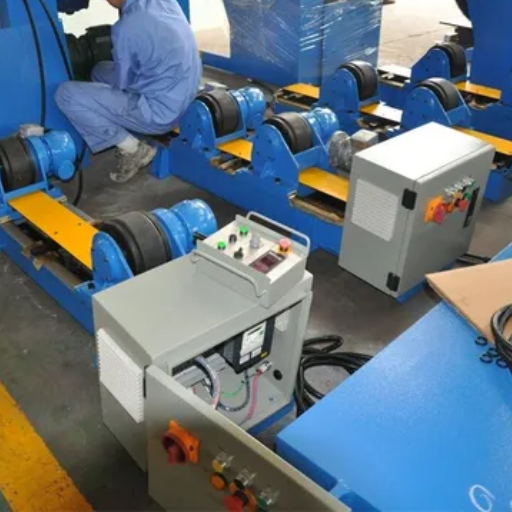
Impact of Onshore Wind Production on Manufacturing
Onshore wind production expansion has created a major transformation in manufacturing through its ability to generate new innovations while creating new business expansion possibilities. Manufacturers need to enhance their production processes for wind turbine components because the demand for renewable energy sources continues to grow. The aerospace industry requires advanced materials development because engineers need to create lighter yet stronger materials which meet performance needs for turbine blade production. Engineering experts must execute precise engineering work because every element needs to fulfill exact performance requirements which protect energy efficiency during diverse weather conditions. Manufacturing processes now include automated systems and digital technologies because of onshore wind production. Robotic welding and smart sensors and advanced analytics technologies enable manufacturers to enhance their quality control systems while optimizing their production processes. Economic pressures have created a need for businesses to develop local supply chains which result in job opportunities and support regional manufacturing centers while decreasing transportation expenses. Through its ongoing development of new technologies and innovative practices manufacturing functions as a vital support system which enables the onshore wind energy industry to reach its international renewable energy goals.
Innovative Solutions for Wind Tower and Monopile Production
My research into innovative techniques for wind tower and monopile manufacturing focuses on developing methods that will boost operational effectiveness while maintaining environmentally friendly production practices and allowing for increased manufacturing capacity. The implementation of automated welding systems represents a significant advancement because it enables manufacturers to create products with higher accuracy while completing their work at a faster rate. AI-powered systems maintain product quality while reducing defects because they protect essential components that must withstand extreme structural loads. Wind tower and monopile production now uses modular manufacturing methods, which allow construction teams to pre-build sectional components before bringing them to the field for final assembly. The construction method not only accelerates building operations but also simplifies construction activities while delivering cost savings. Material innovation is developing new methods for production. High-strength lightweight steel alloys have emerged as a standard material because they allow manufacturers to build products that provide both strong performance and affordable pricing. Advanced materials enable transportation and erection processes to achieve lower carbon emissions because they produce less weight. Production methods that use more environmentally friendly techniques represent an emerging field with great potential. Manufacturers now use renewable energy sources to run their operations while they implement circular economy systems which enable them to recycle production waste and refurbish components after their useful life ends. The implementation of these solutions will help us solve two problems which involve increased wind energy requirements and sustainability targets. The manufacturing industry experiences rapid changes because different sectors work together with governments to support the development of renewable energy systems. The wind tower and monopile production process will continue driving the global shift towards renewable energy because of this commitment to research and development.
Future Trends in Wind Tower Production Lines
The future of wind tower production lines is being shaped by three main forces which include better automated systems and new material developments and architectural systems that use modular components. The production process depends on automation which uses robotic systems and artificial intelligence technology to create efficient operations that cut costs while ensuring higher accuracy levels. The system enables factories to scale operations because it decreases mistakes made by workers. Material science develops new materials through research which creates composites and hybrid materials that enable tower construction with lighter and stronger components which can withstand severe weather conditions. The construction industry is adopting modular building methods which enable off-site production of parts that construction teams will assemble at the final destination. The method improves efficiency by cutting back on delivery difficulties and building time while it makes production processes more effective. The combined trends will lead to a future where wind tower production processes gain faster operational speeds and enhanced flexibility and eco-friendly practices.
Conclusion and Future Outlook
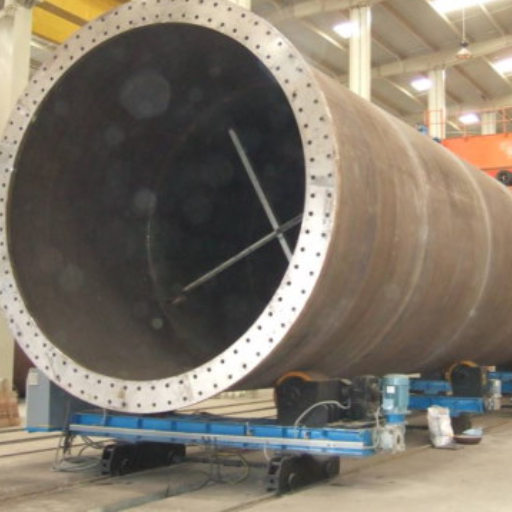
Summary of Key Benefits of Wind Tower Manufacturing Positioners
The manufacturing process of wind towers benefits from positioners because these devices deliver multiple operational advantages to the production process. The system provides workers with complete access to large components because it delivers both strong rotational and tilting capabilities which enable accurate manufacturing work. The system helps welders create accurate welds while decreasing their error rate which helps maintain wind tower structural strength. Positioners help organizations achieve better productivity because they allow workers to operate heavy materials without needing to stop work for manual adjustments which they need to make multiple times. Workers face lower accident risks because the system allows them to work without needing to lift and move heavy equipment which creates dangerous situations. Wind tower manufacturing positioners function as essential equipment for achieving higher production efficiency while maintaining product quality and meeting rising requirements for renewable energy system development.
The Future of Wind Tower Production in Renewable Energy
The future of wind tower production will achieve important progress through technological innovation together with worldwide clean energy initiatives. Current industry trends show that companies are creating taller wind towers which use new materials to capture stronger wind currents at higher altitudes. The industry is increasing its adoption of modular designs which enable better transportation and remote area assembly operations. The manufacturing industry achieves cost savings through automated processes which robotics technology provides while maintaining accuracy during production activities. Sustainable production practices which companies implement represent a major element that determines future production outcomes. Manufacturers are exploring recyclable and eco-friendly materials to minimize their environmental footprint. Wind energy systems now use digital technologies which predict maintenance needs through artificial intelligence to boost their operational efficiency and reliability. The wind industry develops various solutions which establish it as a key element in climate change mitigation while delivering uninterrupted sustainable energy production for many years.
Frequently Asked Questions (FAQs)
What role do wind tower manufacturing positioners play in wind turbine tower production?
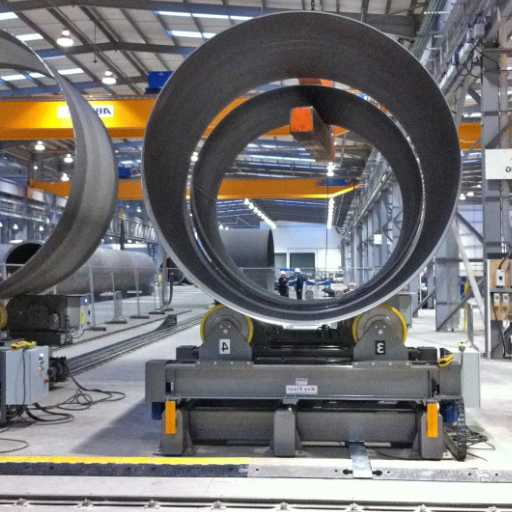
The production of wind turbine towers depends on wind tower manufacturing positioners which include weld rotators and rotator-driven systems to perform round-the-clock welding operations. The positioners enable automated welding systems together with welding manipulators to work without interruption because they maintain the same welding joint position throughout the entire process. Positioners help both onshore tower and offshore wind tower production by supporting fitting operations and extending work capabilities while they eliminate the need for manual work and production stops. The use of positioners with column and boom welding systems, along with boom welding manipulators helps wind tower manufacturers and wind energy projects to achieve high-quality submerged arc welding and advanced welding methods. The automation system provides wind farm operators with complete fabrication solutions which enable them to receive tower sections according to their scheduled times.
How does proper application of welding manipulators and seam welding systems pave way for improved fit-up and kneading line?
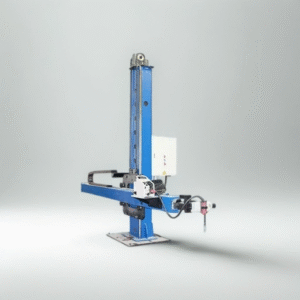
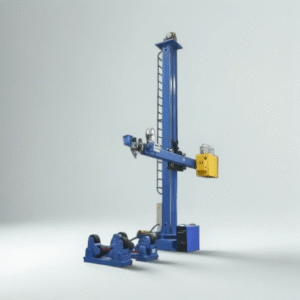
Processes of welding manipulators and seam welding systems further contribute to better accuracy in fitting and adherence of the growing line by providing uniform rate of travel and orientation of the torch during the welding of circular seams and longitudinal seams. With the aid of these manipulators when integrated in fit-up and growing line systems, it will help automatically perform repetitive welding works and ensure equalized welding of tubing or steel-based towers. Some of these manipulators are possible to use as stand alone units or column and boom units and others may be used in the form of boom welding manipulators conforming to any given tower size and type; lattice or shell. As has been observed, this strategy is achieved through the reduction of rework and increase in throughput, both essential in the manufacture of wind towers for Wind Power plants on shore and off shore. The other reason for solving the problem within the framework of existence of energy-efficient infrastructure is the introduction of advanced welding techniques, materials, or even the known welding devices modified specifically for service of wind turbine production.
Which welding solutions provide the most effective method for creating high-quality circumferential welds on tower sections?
The combination of precise weld rotators or turning rolls advanced welding systems and appropriate weld processes which include submerged arc welding for thick sections provides the most effective method to achieve high-quality circumferential welds on tower sections. The circular seam welding systems which use automated manipulators create uniform heat distribution and filler material delivery throughout the circular seam thus reducing defects while preserving mechanical strength. The combination of column and boom welding with boom welding manipulators enables tubular and steel tube tower sections to achieve the necessary standardized production methods required by wind power regulations. Wind tower manufacturers can achieve certification standards through welding equipment which provides both longitudinal and circumferential welding capabilities and through customized fabrication methods. The solutions provide two main benefits by enhancing wind turbine tower section production and delivering ongoing advantages for wind energy projects.
What methods do wind tower positioners use to operate with onshore and offshore wind production lines?
The production lines of wind tower positioners function by delivering mechanical support and controlled rotation which allows welding equipment to move effortlessly between fit-up operations and growing line processes and final welding work. The positioners in onshore shell fabrication systems operate together with automatic welding manipulators and turning rolls to achieve efficient processing of tubular shells whereas offshore wind tower assembly stations need heavy-duty rotators and special pema solutions to manage their larger and thicker components. The system links with automation systems and welding systems to enable coordinated motion control which improves weld quality and production efficiency while minimizing operational delays. The integration of this system helps wind turbine and wind tower manufacturers to achieve better plant automation which meets the operational requirements of both onshore wind farms and offshore wind energy projects. The production process of wind projects maintains its ability to adapt through customized solutions that fit different wind project requirements.
Which factors need to be assessed when choosing welding machinery and robotic systems for producing wind towers?
The selection of welding equipment and automation systems for wind tower manufacturing requires an assessment of tower section geometry and required welding methods and needed automation degree to achieve production goals. The system needs assessment requires testing all welding equipment which includes weld rotators and turning rolls and column and boom systems to determine their performance with existing fit-up and expanding line operations and both circumferential and longitudinal welding needs. The search should focus on solutions which meet wind energy industry standards through their ability to produce superior welds and withstand offshore wind conditions while enabling automated welding and production processes. The assessment needs to include all services which wind tower manufacturers require because these services include installation and training and maintenance which directly impact their ongoing operational efficiency. Your factory layout and expanding line operations demand both advanced welding technology and complete automated systems to enable your factory to operate multiple welding processes for wind energy production.
Reference Sources
Enhancing Efficiency and Supply Chain Management in Wind Tower Fabrication Through Cellular Manufacturing
Explores methods to improve wind tower production efficiency, including manufacturing innovations.
Design of a Telescopic Tower for Wind Energy Production With Reduced Environmental Impact
Discusses advancements in wind tower design and production, focusing on sustainability and efficiency.
Integrated Multidimensional Positioner for Precision Manufacturing
Discusses the development and application of multidimensional positioners in precision manufacturing.