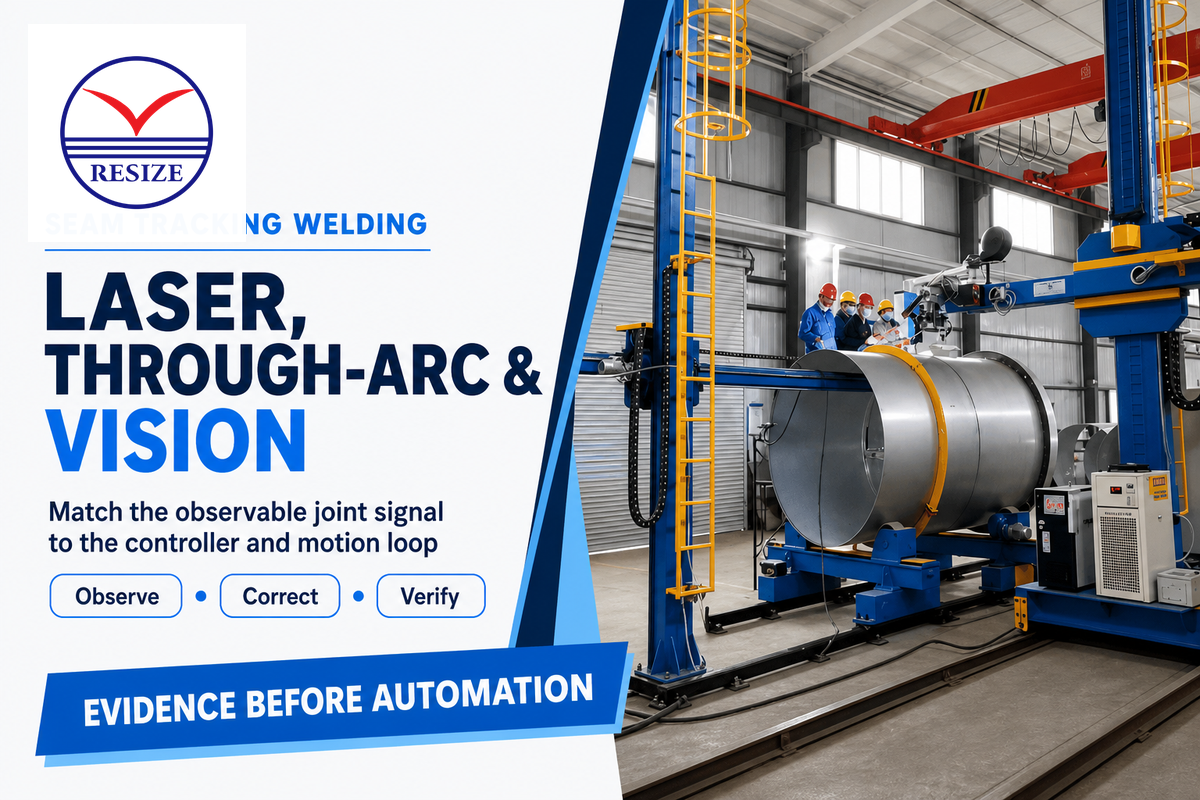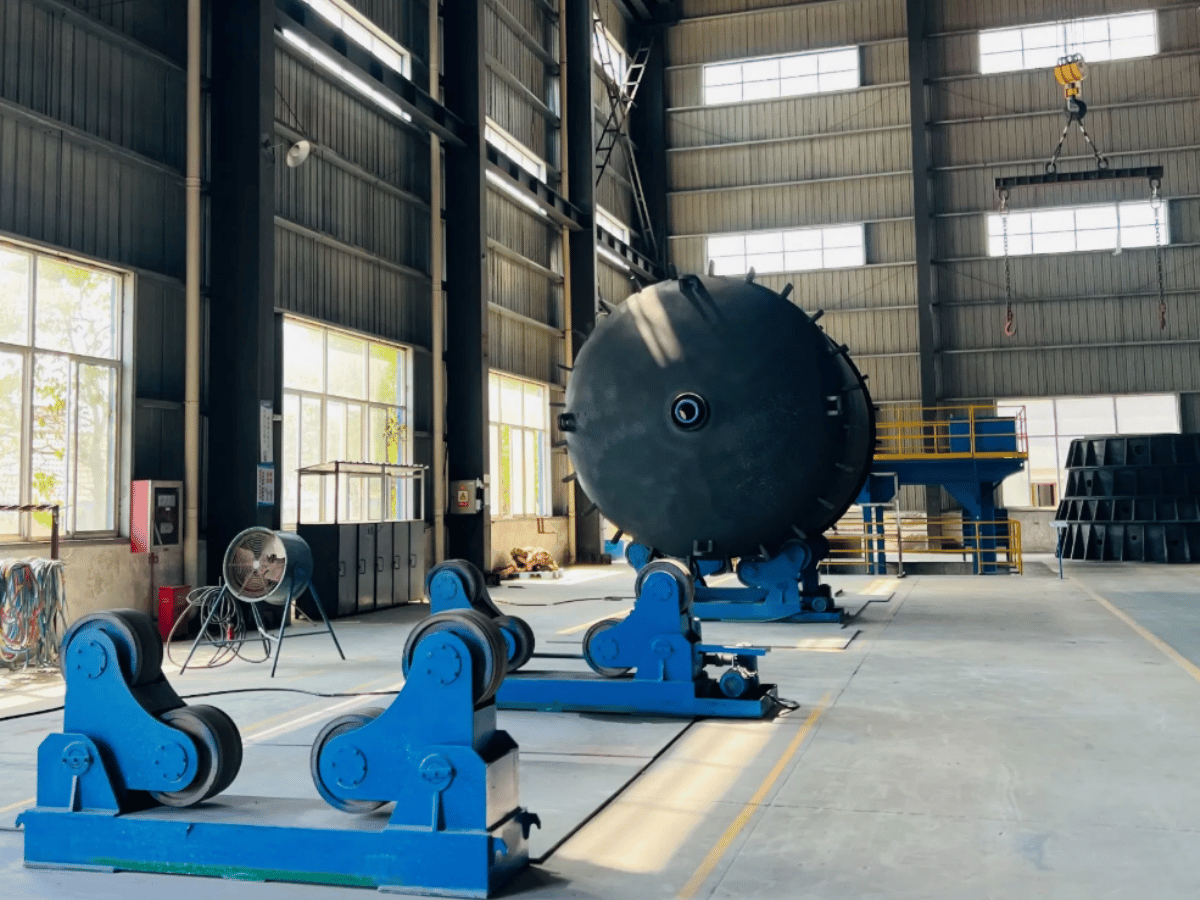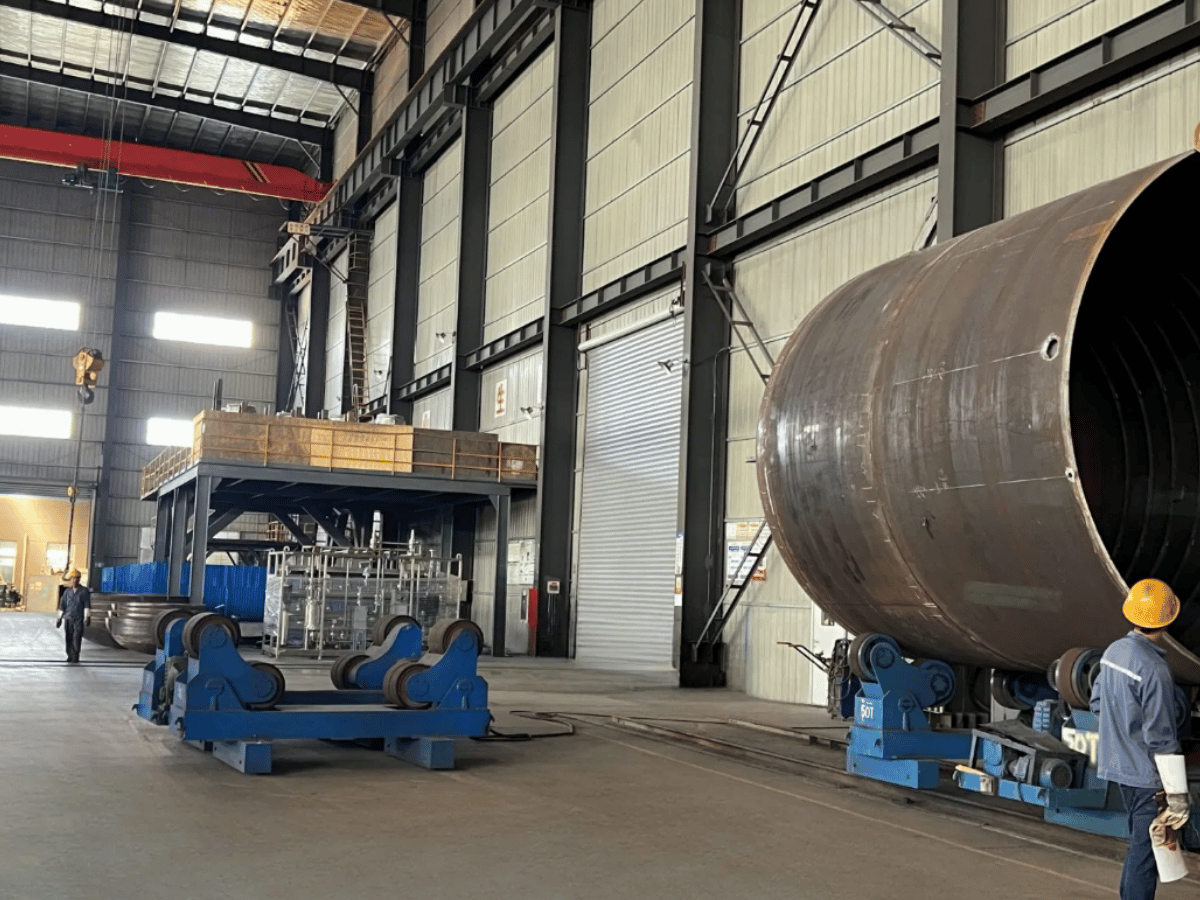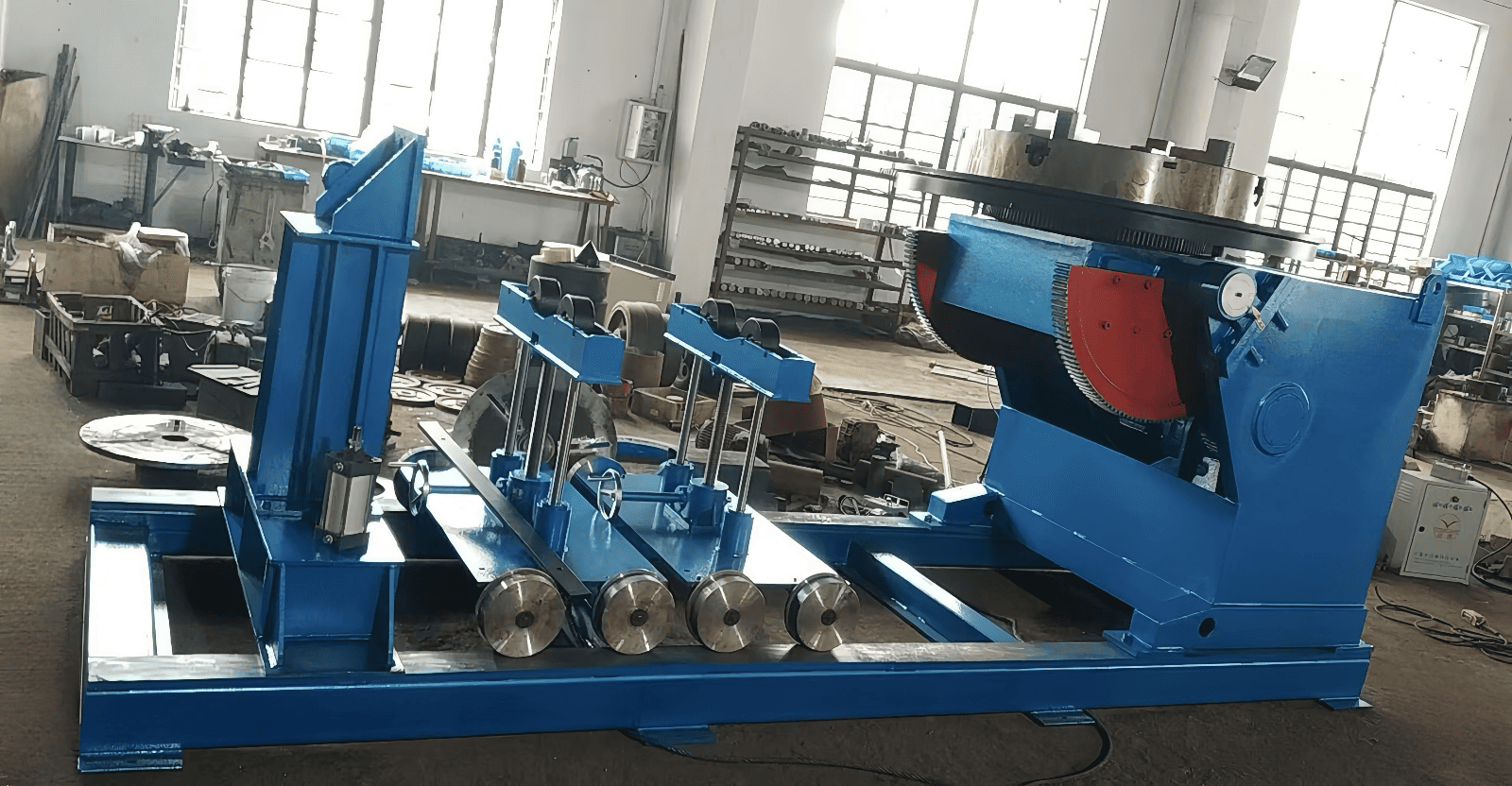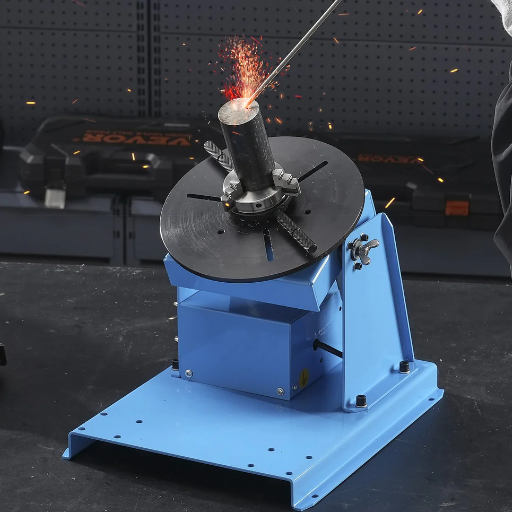
A weld positioner functions as an essential tool that improves both precision and efficiency throughout your welding projects. The equipment functions as a dual-purpose tool which provides smoother rotary welds while enabling optimal workpiece positioning to create better welding results and increased operational safety and productivity. A weld positioner installation into your operational process allows you to work efficiently with both complicated components and high-volume production activities. The upcoming article will examine the main characteristics of weld positioners together with their advantages and applications which help organizations achieve operational improvements and better fabrication results.
Key Takeaway
Weld positioners are mechanical investments that transform the welding process from a manual, fatigue-heavy task into a streamlined, ergonomic, and high-precision operation suitable for diverse industrial sectors.
Understanding Weld Positioners

What is a Weld Positioner?
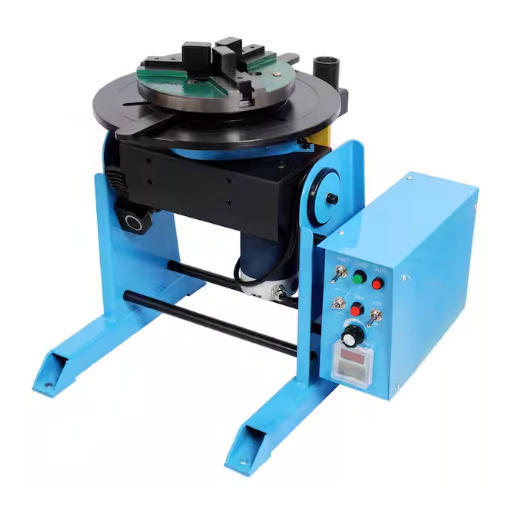
A weld positioner functions as a mechanical device which maintains workpieces in their required positions while they rotate for welding operations. The devices are utilized in welding operations to enhance weld quality while decreasing the physical demands on welders and improving production capabilities through their usage in fabrication operations. A weld positioner enables welders to work with maximum comfort by controlling workpiece orientation which reduces their need for physical handling.
The available weld positioners include three types which are turntables, tilting-and-rotating tables, and headstock-tailstock systems. The different types of equipment serve particular needs in different situations which depend on the design of the workpiece and the welding process that needs to be applied. Weld positioners enable operators to work with different materials and component sizes because their design supports both small parts and large industrial equipment in production and manufacturing environments.
Weld positioners provide three main benefits to their users which include higher welding precision, better safety protections for workers, and faster manufacturing processes. Weld positioners use precise workpiece positioning to create consistent high-quality welds which match the requirements of complex shapes and hard-to-reach welding locations. The need for workers to lift or move objects decreases when work operations do not require manual handling which creates safer workplaces and boosts productivity in welding work.
Types of Weld Positioners
Weld positioners come in various types, which help people achieve better welding results through their welding systems. The three main positioner types are manual positioners, semi-automatic positioners, and automatic positioners. The process requires different automation levels because the task needs different worker participation levels to complete.
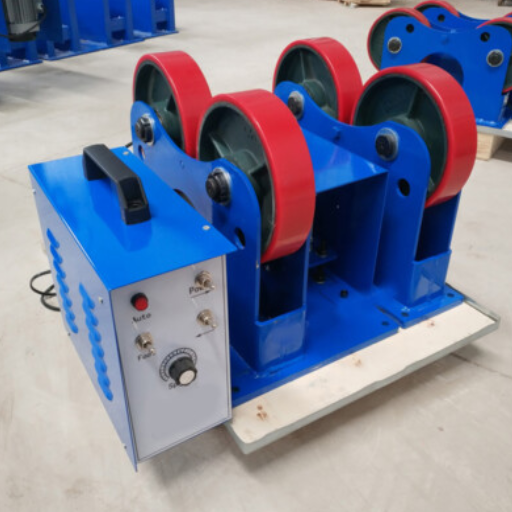
One widely used type is the rotary or turntable positioner. The workpiece can rotate smoothly because this type of system enables workpiece rotation, which makes it suitable for welding circular welds on cylindrical parts. The system allows operators to select the rotation speed and angle, which helps them create consistent weld patterns across various materials.
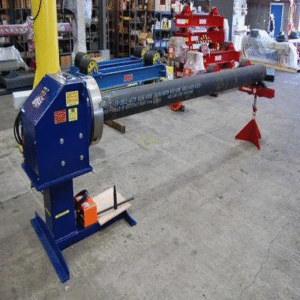
The tilt and turn positioner represents an important welding category. This type offers greater versatility by allowing the workpiece to be both tilted and rotated, enabling access to challenging angles and complex shapes. The system provides advanced capabilities for welding operations which require precise work and multiple position movements. The pipe welding positioners have been designed to handle long cylindrical pipes, which enables them to support seamless pipe welding with high precision.
Benefits of Using Weld Positioners
💡
Efficiency Boost
Weld positioners enable factories to achieve better operational results because the equipment keeps workpieces at optimal welding positions which the welders require to operate without taking breaks to readjust their work materials.
The work output of welders increases because they can dedicate their efforts to welding work without needing to stop for repositioning tasks. The automated movements of these tools create consistent and precise welding outcomes through their operational functions.
The second major advantage of this system leads to improved operational safety. Weld positioners enable workers to operate without lifting heavy or awkward items which creates dangerous situations that result in worker injuries. The equipment enables operators to adopt positions that suit their body needs which results in better comfort and reduced fatigue during extended welding operations. The process leads to improved results and a safer workplace environment.
Weld positioners help guarantee product quality because they keep workpieces at fixed angles which produces welds with identical patterns. The weld process becomes more reliable and accurate, reducing the risk of defective products that require additional resources to correct. Industries that need to perform complex and high-quality welding work depend on weld positioners because these devices provide essential operational advantages.
Rotary Welding Positioners Explained

How Rotary Weld Positioners Work
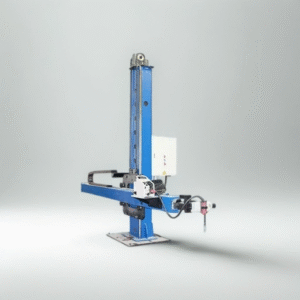
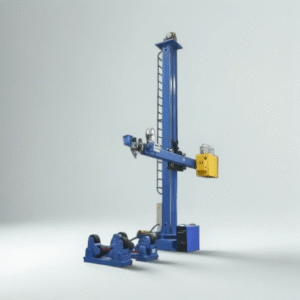
Rotary welding positioners are devices designed to hold, rotate, and position workpieces during the welding process. They allow for precise control over the orientation of the workpiece, which enables welders to reach all essential welding points without difficulty or danger. The positioners function through their motorized turntable or tilting system which enables operators to modify the workpiece position. The system provides operational flexibility which leads to precise results while limiting the need for manual work thus enhancing overall operational efficiency.
The core function of a rotary welding positioner is to maintain the workpiece in an optimal welding position for consistent, high-quality results. The tools enable welders to produce even welds because they permit movement across multiple rotational axes. The design of the system enables welders to position their bodies in safe work positions which reduce physical stress. The system provides reliable function during processes that demand both detailed work and accurate welding results.
Rotary welding positioners are essential equipment in the construction, automotive, and aerospace industries which require both accurate measurements and effective operational processes. The industries must handle difficult situations because they need to move their hefty components and complex workpieces through their operational procedures. The rotary positioners create automatic workpiece movement which saves time and decreases production expenses while delivering standard weld quality for every project.
Applications of Rotary Welding Positioners
The use of rotary welding positioners extends to multiple industrial sectors that require accurate and effective welding operations. Rotational welding equipment is used to create large cylindrical structures which include pipes, tanks, and pressure vessels. The positioners provide rotational and positional control which leads to dependable welding results that need no manual work between welding tasks. The system leads to better output results because it decreases manufacturing downtime for operational activities.
Rotary welding positioners serve a crucial function in the automotive and transportation sectors as their primary application. The system provides support for welding operations that involve components such as exhaust systems and chassis parts and other complex elements. The system automates workpiece movement through rotating and positioning processes which leads to consistent welding results while decreasing manual work efforts that lead to production delays.
Rotary welding positioners help the aerospace sector create lightweight structures and build precise components through their fundamental capabilities. The positioners improve welding results which depend on both quality and reliability as essential requirements for aerospace production processes. The use of rotary welding positioners enables various industries to achieve their operational goals through their ability to handle complex welding operations and create uniform results.
Top Welding Positioners on the Market
The evaluation of top welding positioners requires assessment of their operational capabilities together with their capacity to perform multiple tasks and their compliance with established industry benchmarks. The design of high-quality positioners enables them to perform multiple tasks while maintaining exactness and high operational efficiency during welding work. The system provides users with multiple features which include tilt angle adjustment, rotation speed adjustment, and maximum weight capacity to handle large parts and complex tasks.
The main reason for top welding positioners to boost operational efficiency involves their ability to increase production rates. Advanced positioners enable operators to produce consistent welds while minimizing both labor requirements and setup duration. The system achieves dependable performance which results in enhanced operational effectiveness together with consistent output which holds particular importance for aerospace, automotive, and construction sectors. The system uses safety features which include secure clamping mechanisms and remote controls to enhance user experience and protect workers from danger.
The best positioners on the market achieve optimal performance because they maintain their structural strength while enabling users to perform multiple welding operations. The equipment functions effectively in both small workshops and large manufacturing plants because it handles different materials and welding methods. The selection process for welding positioners requires assessment of operational requirements, but the best choice will always succeed through accuracy, protection, and extended equipment lifespan.
Choosing the Right Positioner for Your Shop

Factors to Consider When Selecting a Positioner
✓
Selection Checklist
- ✓ Assess required project dimensions
- ✓ Verify necessary weight capacity (estimate above current needs)
- ✓ Determine rotation methods (360-degree capability)
- ✓ Evaluate tilt operation approaches for angular precision
- ✓ Confirm compatibility with current workshop space and tools
The selection of a welding positioner for your shop requires you to assess both the required project dimensions and the necessary weight capacity. The positioner needs to sustain all weight requirements which you will handle during your work operations that include handling workpieces. The recommended practice requires users to estimate their capacity needs above their actual requirements for handling future projects and unplanned operational demands.
Organizations need to understand available types of rotational movements which include two distinct rotation methods and three different tilt operation approaches. The welding operation requires a positioner which enables 360-degree rotation together with precise control of angular tilt during all welding tasks. The flexible system provides superior control which enables welders to reach every part of the workpiece with good precision which leads to higher welding quality results.
The welding positioner needs to work together with your current equipment and your workshop setup according to your requirements. The positioner needs to work with your tools while using the available space of your workshop area. The operation of both models needs to be simple because this feature helps organizations to decrease their downtime while they cut their total operational expenses.
Positioner Features that Matter
Welding positioners require specific features for their operational needs to achieve optimal performance, efficient operations, and proper equipment compatibility. The positioner enables operators to achieve precise welding angles through its adjustable design. The flexibility of the system allows operators to create better welds while reducing their need to reposition themselves which leads to fewer mistakes and better work efficiency.
The system needs to have a specific capacity to handle the weight of the welding materials which require processing through the positioner. The positioner needs to demonstrate sufficient strength capability to handle operational weights which protects both equipment and personnel. You must check the maximum weight capacity first before matching it to your project needs because this process helps prevent operational problems.
The system requires user-friendly controls which enable staff members to operate the system without difficulty. A user-friendly interface allows operators to use the system effectively after minimal training because they can concentrate on welding rather than dealing with complicated controls. The system allows for fast and simple operation which results in reduced equipment downtime and operational cost savings. The selection of welding positioners for your operations should start with these essential features because they identify equipment that will boost your work efficiency.
Tips for Using a Weld Positioner Effectively

Best Practices for Operation
- 1
Ensure Proper Setup
The welding process requires testing of weld positioner setup before starting work. The workpiece must be securely fixed to the surface because all clamps and fixtures need to be properly configured. The positioner needs to be checked for both leveling and stable placement because any deviation will result in welding problems during the operation. - 2
Adjust Speed and Angles Appropriately
The positioner requires specific rotation speed and angle settings which welding requirements specify. The procedure establishes consistent weld results which decrease potential defects. You should test various settings on unneeded materials until you discover the perfect settings for your task. - 3
Regular Maintenance and Inspection
The weld positioner requires regular maintenance checks. The team must examine all moving components while they should apply lubrication to necessary parts and verify that all electrical connections remain intact to ensure longevity and safety.
Safety Considerations in Welding
⚠️ Important Note
Because welding work contains dangerous elements, workers must follow strict safety measures to protect personnel and create safe workplace environments.
The main hazard which workers face involves dangerous fumes and gases. The risk of toxic substance inhalation requires workers to use either proper ventilation systems or respiratory protective equipment. Workers should also be trained to recognize the health risks associated with prolonged exposure.
The welding process requires safety measures which protect workers from burn, fire, and explosion hazards. Welders must wear flame-resistant clothing, gloves, and eye protection to shield themselves from hot sparks and intense light. The work area should be kept clear of flammable materials, and fire extinguishers should be readily available in case of an emergency. Welding equipment needs regular inspections to check for faulty tools which can create dangerous situations.
Welding work requires electrical safety because operators use high-powered machines. Workers need to inspect cables and connections for signs of wear or damage before operation. Proper grounding must be established while all equipment needs to meet safety standards. By following these precautions, welding work can proceed safely while maintaining protection for both personnel and workplace locations.
Maintenance and Care for Your Positioner
Your positioner requires proper maintenance and care procedures which serve to protect its operational life and dependable performance. The positioner requires inspection at regular intervals to check for any visible damage which includes loose bolts and cracked components and signs of abnormal vibrations during its operational period. The equipment requires immediate repairs because they protect its operational safety while preventing additional equipment harm.
The positioner’s performance depends on its necessary cleaning to maintain proper function. All surface areas and moving components must be cleaned to remove all dirt and debris and welding spatter which has built up. The user must utilize either a soft dry cloth or non-abrasive cleaner to clean the surface until all moisture has been removed because any remaining moisture creates a risk of corrosion. The equipment functions better when all parts remain clean because this practice decreases chances of mechanical breakdowns.
The manufacturer requires scheduled lubrication of all moving components because this process controls both friction and component deterioration. The manual provides rules about lubrication methods and materials which need to be followed through the maintenance schedule. The positioner’s efficiency improvement through regular maintenance activities extends its operational life while maintaining its safe and dependable performance over an extended period.
Advanced Techniques in Rotary Welding
TIG Welding with Positioners
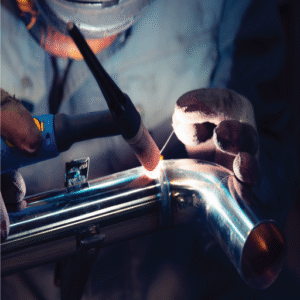
TIG welding, which people also call gas tungsten arc welding (GTAW), operates better when welders use rotary positioners. The tools maintain workpiece stability while they turn workpieces which enables welders to control their welding process with higher accuracy. Welders can use this method to weld circular or tubular parts because it provides them with access to hard-to-reach positions without losing their ability to produce consistent welds. The system uses rotary positioners to create steady uniform rotation which decreases operator exhaustion while improving welding consistency.
Positioners bring about greater operational efficiency when used in TIG welding. By making workpieces move automatically positioners enable welders to concentrate on controlling the welding arc and applying filler material which results in welds that show higher cleanliness and better accuracy. The use of positioners enables operators to spend less time on manual part shifting which results in improved operational efficiency throughout all production modes including small batch production and large-scale manufacturing operations.
The use of positioners in TIG welding brings about major safety improvements. These tools create a safe work surface which decreases the possibility of workplace injuries that occur during the manual movement of heavy or difficult-to-handle items. Positioners improve weld quality through their optimization of alignment and stability while they create a safer workspace for operators. The combination of these three factors which include precision and efficiency together with safety requirements establishes positioners as essential equipment in modern TIG welding operations.
Innovative Welding Techniques for Fabricators
The application of innovative welding techniques by fabricators results in improved operational efficiency and enhanced product quality and exact measurement capabilities. The implementation of automated welding systems serves as an effective solution to this challenge. The systems enable organizations to optimize their welding operations by delivering consistent results while minimizing the incidence of operator mistakes. The system enables faster production processes through its automated capabilities, which increase operational productivity in environments with high manufacturing output. The system reduces project expenses while accelerating project completion times through its effective automated welding system integration.
The innovative process of friction stir welding (FSW) enables welding without base material melting. The method enables efficient metal joining for lightweight materials because it produces strong bonds with small amount of distortion. FSW has become popular in aerospace and transportation industries because it delivers high strength welds which have no defects and operate sustainably. Fabricators can use this solution because it helps them work with cutting-edge materials and create complex assembly designs.
The implementation of laser welding technology represents a significant technological development. Laser welding delivers unmatched accuracy while performing exceptionally well on intricate and sensitive workpieces. The process creates weld seams which enable medical devices and electronics to make secure connections through deep weld penetration. The low-heat-input nature of laser welding results in reduced thermal distortion while maintaining material strength. The combination of these techniques enables fabricators to exceed current expectations while producing outstanding work products.
Improving Efficiency with Automated Positioners
The process of welding becomes more efficient and precise through the use of automated positioners. The devices maintain component stability during welding operations which helps to maintain correct component positioning throughout the process while decreasing operational mistakes and rework activities. The system of automated positioners creates exact identification of welding positions which results in superior welding outcomes that boost operational efficiency during projects with difficult geometric shapes and precise measurement requirements.
This system achieves speedier production results because it decreases the time needed for workers to make adjustments and because it limits equipment downtime. The welding process becomes easier for operators to manage because they can dedicate their time to technical work instead of performing manual positioning tasks. The system of automated positioners enhances safety by decreasing the requirement for workers to lift heavy objects and awkwardly shaped items which leads to a decrease in workplace accident risks.
The process of manufacturing needs automated positioners to achieve both scalability and adaptable production capabilities. The systems enable businesses to develop client-specific solutions by creating programmable features which can be altered to meet particular project needs. Automated positioners enable fabrication processes to achieve accurate results at fast speeds while maintaining operational flexibility which brings about high-quality results and better business productivity.
Frequently Asked Questions (FAQ)
Q: What are Small Shop Welding Positioner Solutions and why do fabrication shops choose them?
A: Small Shop Welding Positioner Solutions are small-scale welding equipment which enables users to control the rotation and positioning of welding materials during their welding tasks. Fabrication shops choose them because positioners allow improved repeatability, increase productivity, reduce repositioning time, and provide safer welding by minimizing manual handling of parts.
Q: How do benchtop positioner and bench-mounted configurations differ for small shops?
A: Benchtop positioner solutions are smaller weld positioners built to sit on a workbench and are suitable for use with small weldments that require high-mix low-volume production. Bench-mounted configuration provides support for heavy-duty tasks through its enhanced mounting system which includes chucks and bearings.
Q: What mounting and chuck options are available with these positioners?
A: Small Shop Welding Positioner Solutions typically offer multiple mounting options including flanges, shafts, 3-jaw chucks, and specialized chucks for irregular shapes. The mounting and chuck selection affects how the weldment is held and the level of backlash.
Q: Can a small shop integrate welding automation with a new welding positioner?
A: Yes. The design of positioners enables them to rotate and index parts which welding automation systems use for their operations. Small shop solutions enable businesses to connect their systems with robots and mechanized torches.
Q: What maintenance concerns should an engineer consider for heavy-duty vs. small positioners?
A: Engineers should conduct inspections of all system components which include bearings, moving parts, torque motors, and chucks. Heavy-duty positioners require more robust shafts and frequent lubrication to handle higher torque and loads.
Q: How do positioners improve weld quality and safety in welding shops?
A: The use of positioners establishes stable work positions which provide welders with complete access to the welding joint thus minimizing their physical strain. This leads to better weld quality and reduced defects while enabling safe operations.
Q: What should I look for when selecting the best weld positioner for small weldments?
A: Look for positioners that match your weldment sizes, provide adequate torque and variable speed control, and have secure mounting options which include 3-jaw chucks and flange mounting systems.
Q: Are there customizable features available in small shop welding positioner solutions?
A: Numerous suppliers provide custom control systems, positioner packages, specialized chucks, and flange or shaft designs. The automation-ready positioners allow for sensors and interfaces to support robotic operations.
Q: How do variable speed and torque specifications affect throughput and repeatability?
A: Variable speed motors enable accurate control of rotational speed which different welding processes need while reducing spatter and heat input. Adequate torque ensures the weldment maintains its position, improving repeatability and productivity.
References
-
Koike Aronson Positioning Equipment Manual
A detailed manual covering installation, operation, and maintenance of positioning equipment.
Access the manual here -
Innovative Approach to Welding Robot Operator Reliability
This academic paper identifies and assesses occupational hazards in robotic welding systems.
View the paper here - Top Welding Positioner Manufacturers and Supplier in China