Welding functions as both art and science because it requires workers to demonstrate precise skills while maintaining uniform production rates to achieve maximum quality results. The incorrect positioning of welders during their work will result in errors as well as inefficient operations which will ultimately degrade project quality. This is where weld positioners come into the picture. The welding procedure transforms through these adaptable instruments which secure and spin workpieces to achieve perfect alignment for accurate work and simple operation.
The guide examines various weld positioner types which exist in the market and describes their different uses and shows how they can improve welding results. You will acquire essential knowledge which will enable you to produce welds that possess superior cleanliness and strength and precise specifications while your operational efficiency increases. Continue reading to discover how weld positioners can benefit your projects.
Key Takeaway
Weld positioners are mechanical game-changers that rotate and tilt workpieces to the optimal angle, significantly reducing operator fatigue while ensuring 100% weld penetration and consistency across complex geometries.
Understanding Weld Positioners
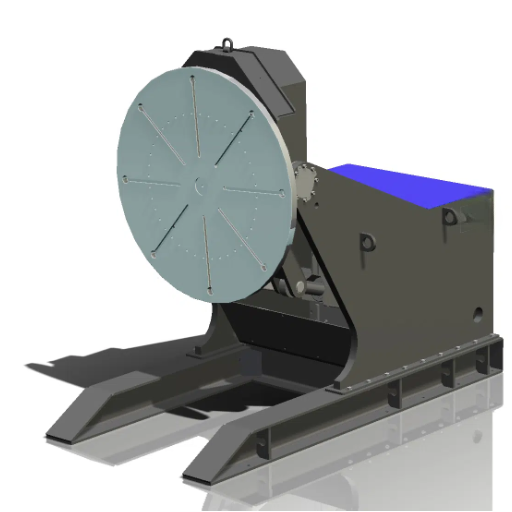
What is a Weld Positioner?
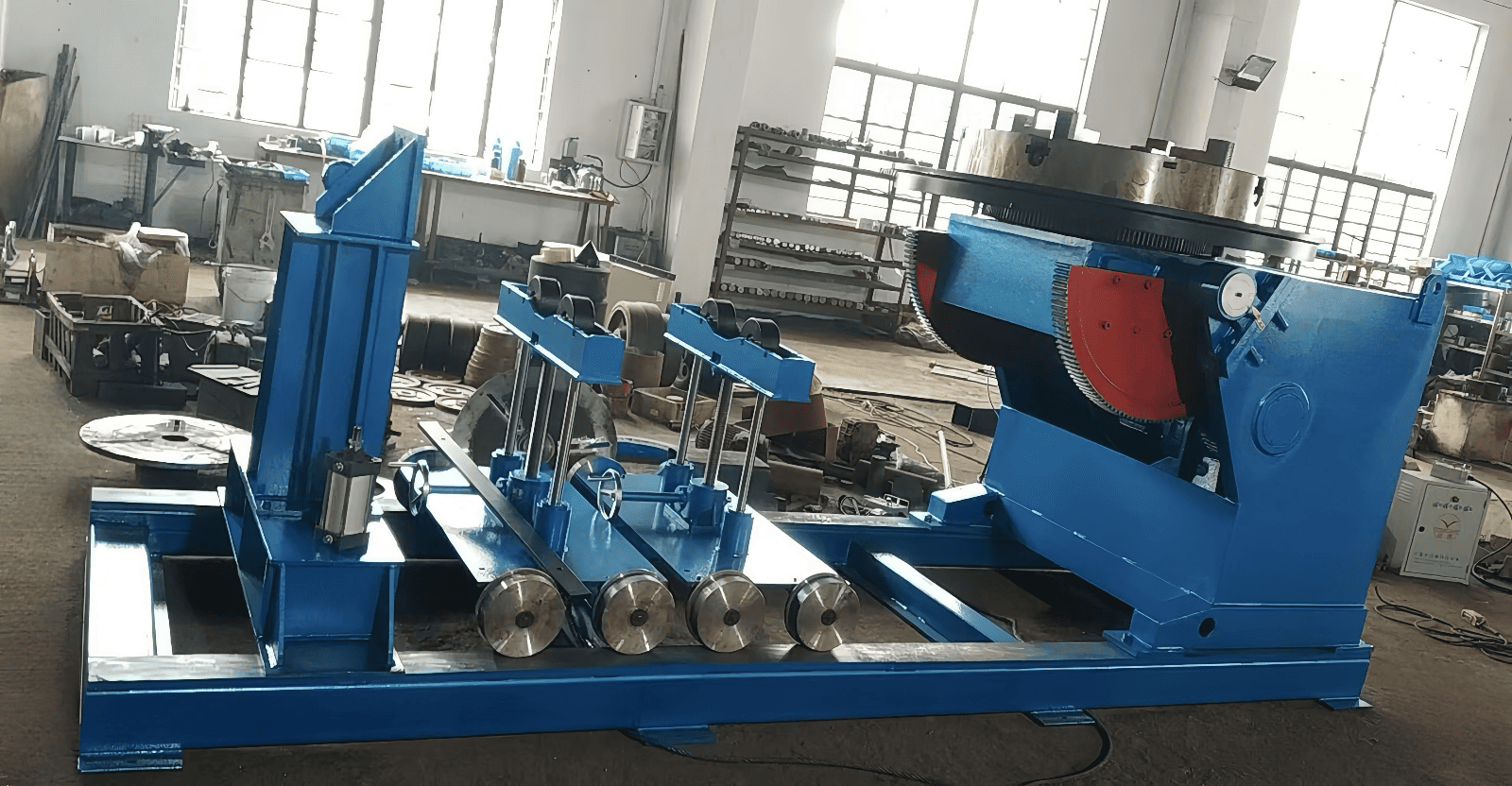
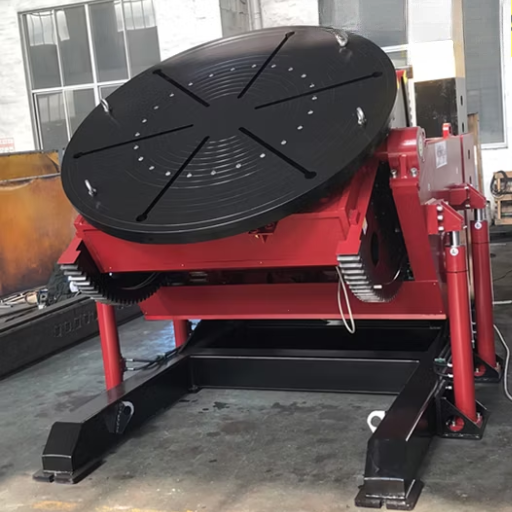
A weld positioner is a mechanical device which holds and rotates workpieces for welding operations. The device enables welders to position workpieces between optimal welding angles and heights which enhance their ability to control the welding process while seeing the weld joint and accessing it. The system enables operators to control the operation with high precision while reducing the chances of making mistakes or creating production flaws.
Weld positioners serve their main role to support the welding and assembly processes which operate on heavy and complex components that include pipes and circular objects and irregularly shaped parts. The devices enable workpieces to be rotated or tilted because this feature allows workers to avoid performing manual tasks which require them to handle materials through extended periods of time. The process results in better weld quality which leads to enhanced workplace productivity and safety for employees.
The design of weld positioners creates ergonomic advantages because they enable welders to work without experiencing physical strain. The system lets welders operate workpieces at positions which match their comfortable viewing angle which results in reduced physical strain that enables welders to work effectively for extended periods. The use of weld positioners enables businesses to achieve better operational results while producing higher quality welds and creating safer work environments.
Importance of Positioners in Welding and Assembly
The use of positioners in welding and assembly processes brings three major advantages which include protection and operational effectiveness as well as enhanced precision. The positioners provide welders with secure workpiece rotation which helps them achieve their optimal welding angle for consistent weld results while they work. The system achieves efficiency gains because it requires fewer manual adjustments throughout its operations.
💡
Pro Tip
Always utilize a positioner when working with heavy or awkwardly shaped components to minimize “out-of-position” welding, which is a leading cause of weld defects like porosity and slag inclusion.
Another key benefit of positioners is their ability to improve workplace safety. As part of their work in welding and assembly operations, workers must handle hazardous materials which include heavy components with awkward shapes. Positioners enable workers to handle equipment without experiencing excessive physical demands which helps to decrease the chances of sustaining workplace injuries. The positioners accomplish two important functions because they keep workpieces stable during operations which establishes safety measures that protect workers from danger.
The operational efficiency of positioners increases because they enable companies to process work more quickly while minimizing their operational interruptions. The systems enable workers to complete their tasks with higher productivity because they maintain workpieces in their optimal operational state. The combination of these elements creates a workflow which achieves operational efficiency while increasing production volume which generates higher profits for companies that use welding and assembly processes. The use of positioners serves as an essential solution which helps industrial facilities achieve their safety standards while maintaining high product quality and operational efficiency.
Types of Weld Positioners
Weld positioners come in various types designed to meet the specific needs of different applications. The most common types include manual, powered, tilt-rotate, and headstock-tailstock positioners. Each type provides different features which enhance welding performance through better accuracy and improved efficiency and increased protection.
| Positioner Type | Best Use Case | Key Feature |
|---|---|---|
| Manual | Small/Light workpieces | Budget-friendly, simple adjustments |
| Powered | Heavy industrial tasks | Motorized rotation/tilting |
| Tilt-Rotate | Complex multi-angle welds | Complete orientation flexibility |
| Headstock-Tailstock | Long/Cylindrical objects | Dual-end support for long spans |
Manual positioners require operators to handle workpiece rotation through manual adjustments. These devices apply to workpieces that weigh less and have smaller dimensions because users can handle all required adjustments through manual control. The solution offers budget-friendly benefits because it meets needs of businesses that handle minimal production and do not require frequent work changes.
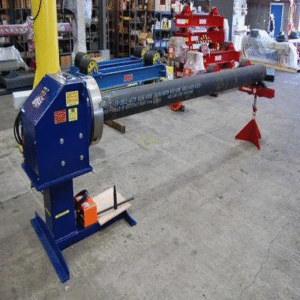
Powered positioners use motorized components to perform automatic workpiece rotation and tilting functions. The system handles demanding tasks because it lets operators work with heavy equipment while providing them with equal power and precise control. The system enables operators to achieve all desired work angles through tilt-rotate positioners which allows them to position workpieces at any angle. Headstock-tailstock positioners maintain their function to support long workpieces because they support cylindrical workpieces that appear in pipe welding applications. The different types of positioners work to improve operational effectiveness while they keep workpieces at their best positions which leads to consistent high-quality welding results.
Key Types of Positioners
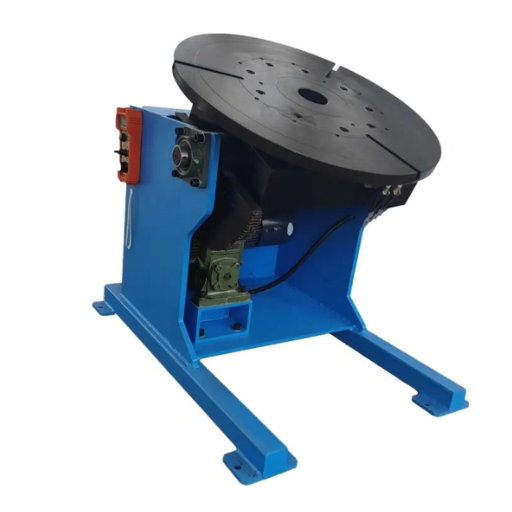
Rotary Positioners
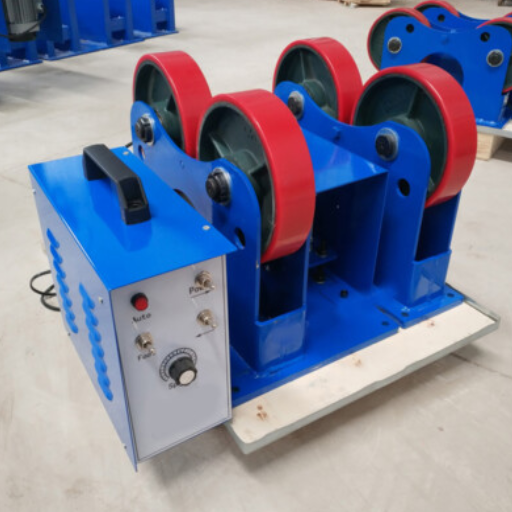
The welding process depends on rotary positioners which function as flexible devices for enhancing both the accuracy and operational speed of welding work. These machines enable welders to work with better accessibility to welding areas while keeping workpieces fixed in position through their ability to rotate workpieces around a single axis. The rotary positioners create the ability to control rotational speed which results in consistent welds during welding operations because operators can work without needing to move the workpiece.
The primary benefit of rotary positioners lies in their capability to work with different materials which enables them to used in multiple industrial settings. They are particularly effective in welding cylindrical or symmetrical parts, such as pipes, tanks, and flanges. The adjustable rotation speed and tilt options in many rotary positioners further contribute to achieving optimal welding angles and reducing operator fatigue, which is especially beneficial in long or complex welding tasks.
Rotary positioners enhance workplace safety because they reduce the necessity for workers to lift heavy materials throughout their job responsibilities. The equipment helps protect workers from accidents that happen when they lift and move materials to different areas. The steady rotation and precise alignment of rotary positioners enable welding operations to achieve higher productivity rates and consistent results which makes these devices essential for businesses that require both high-quality welds and operational efficiency.
Head and Tailstock Positioners
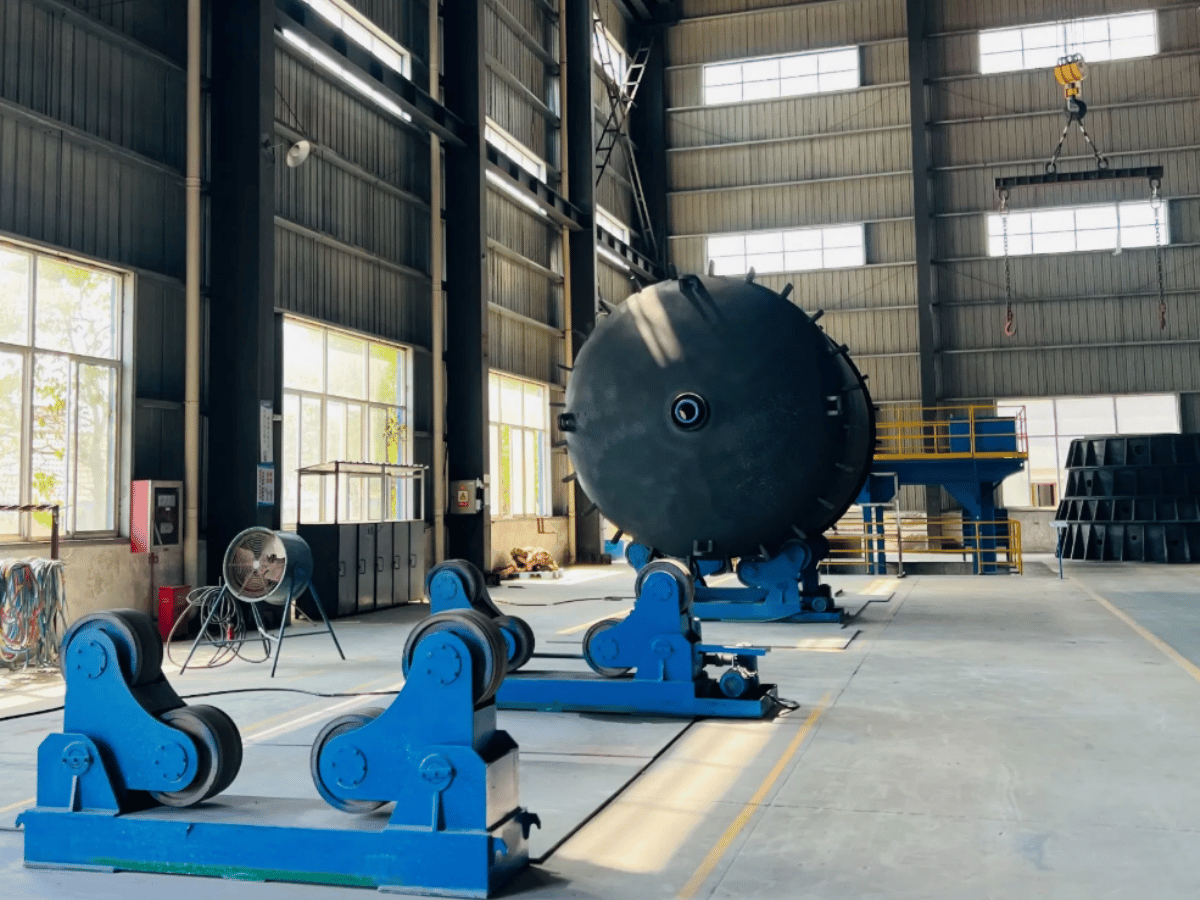
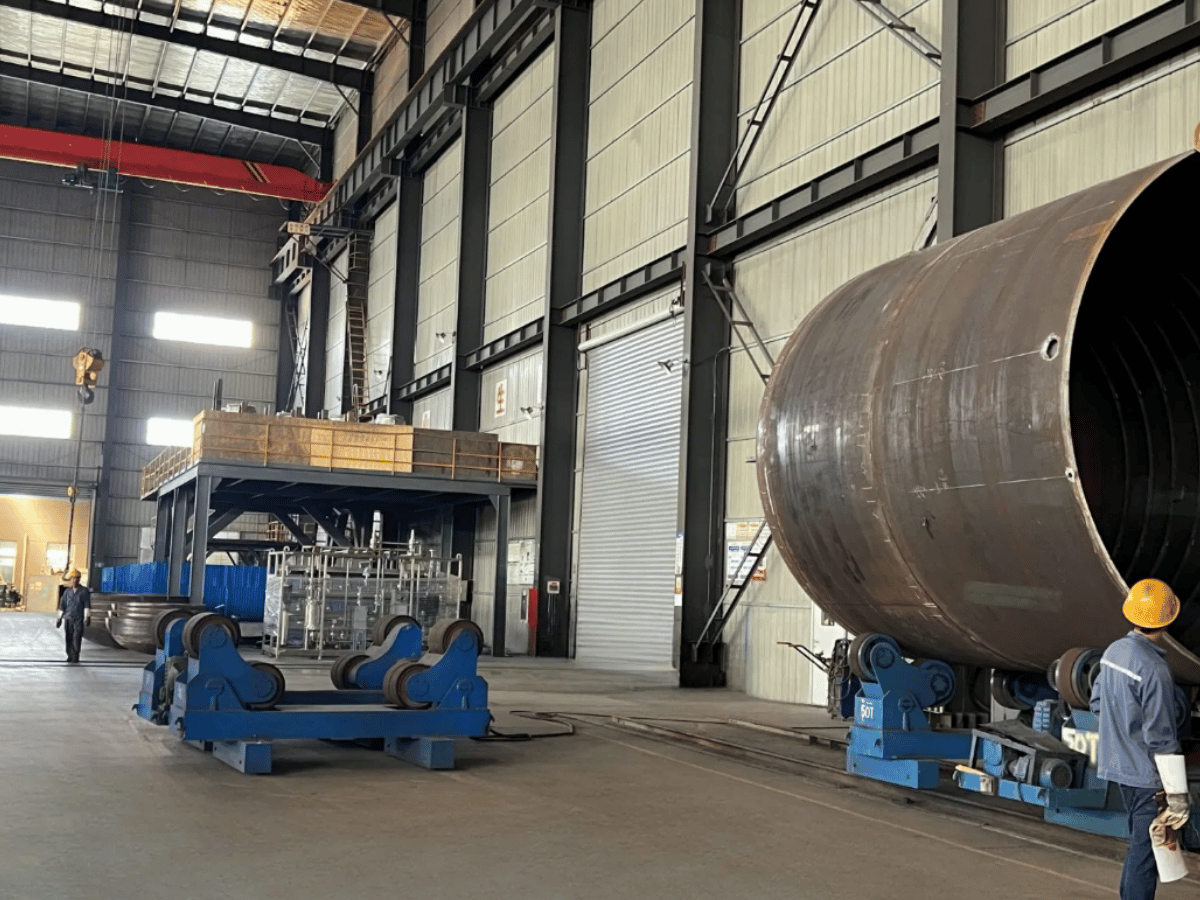
Head and tailstock positioners serve as dedicated equipment which enables better handling of substantial and cumbersome workpieces that require welding and assembly and machining work. The positioners include a headstock which enables rotational movement and a tailstock which provides support for the workpiece’s opposite end. The system allows precise movement control which enables workers to maintain proper alignment of components and their required working distances.
Head and tailstock positioners provide organizations with two main benefits which include enhanced safety measures and better work efficiency. The system enables workpiece rotation while maintaining secure attachment which reduces the need for workers to lift objects thus decreasing their risk of workplace accidents and work-related exhaustion. The system enables operators to reach challenging spots which helps them produce consistent results that meet high standards during manufacturing operations.
The positioners demonstrate great adaptability which allows them to function with different workpieces across metal fabrication and automotive and aerospace sectors. The system enables efficient handling of parts which need exact welding and machining through multiple angles. Head and tailstock positioners serve as fundamental instruments which help organizations that seek to maintain high standards and efficient operations.
Manipulators and Their Applications
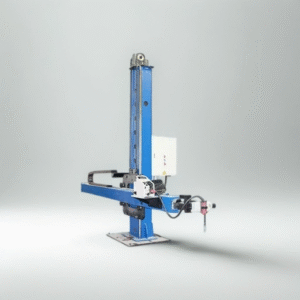
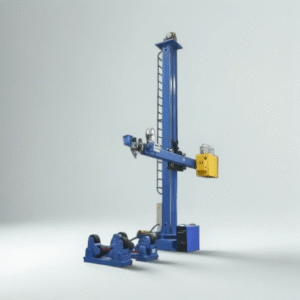
Manufacturers use manipulators as essential equipment which enables them to lift and move heavy or intricate parts during their manufacturing and assembly work. The systems provide operators with tools which enable them to move objects through their work without needing to use much physical power. The adaptable manipulators enable industries such as automotive and aerospace and metal fabrication to perform their work because they can handle objects of various dimensions and weights and different physical designs.
One of the primary applications of manipulators is their use in welding processes. The system maintains stability while providing welders with control to achieve consistent welding results which maintain proper alignment. The system enables operators to move workpieces through different angles which supports their machining and assembly tasks. The system boosts workplace efficiency by enabling workers to handle loads which would require multiple employees to carry without risk of suffering work-related injuries.
Modern industries depend on manipulators because they establish the foundation for automated operations. The combination of robotic systems with manufacturers’ equipment enables them to achieve greater operational effectiveness and precise output. The system decreases mistakes made by workers while enabling them to complete difficult tasks which would normally take them much longer to finish. The system functions as an essential instrument which enables businesses to achieve precise results while maintaining safe operations and efficient work processes throughout their production facilities.
Welding Techniques for Different Applications
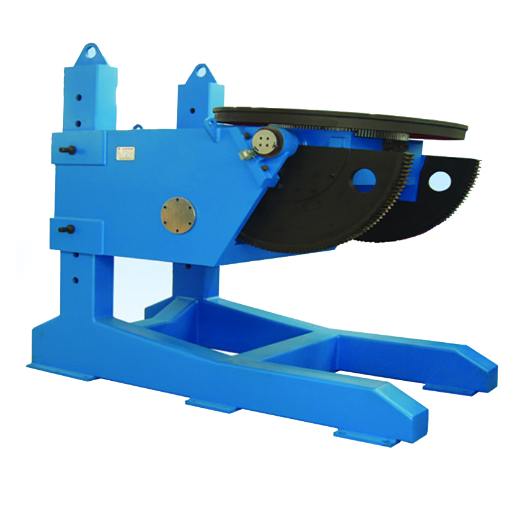
Welding Techniques in Tank Fabrication
The welding techniques used in tank fabrication work to create tanks that have durability and leak-proof protection while fulfilling industry requirements. The method selected for welding tanks depends on the material used in construction and the specific use of the tank. Different welding methods exist for carbon steel and stainless steel materials because these two materials require different approaches to create durable and reliable connections.
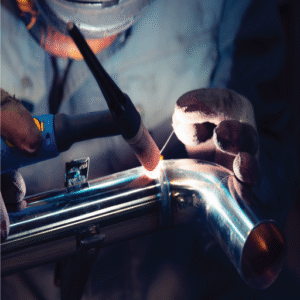
Gas Tungsten Arc Welding (GTAW) stands as a primary welding method that tank builders use under the name TIG welding. The technique produces high-quality welds which deliver accurate results, making it the perfect choice for building essential parts. The method works best for welding thin materials, which results in a clean and smooth appearance needed for tanks that store food or chemicals because those tanks require hygienic and corrosion-resistant materials.
Submerged Arc Welding (SAW) serves as a common welding technique that industrial facilities use to build large storage tanks because of its high productivity. SAW enables welders to create deep welds that maintain consistent quality while decreasing the chances of producing flaws. The welding method serves heavy-duty purposes because it creates strong joints that withstand industrial storage tank applications when handling thick materials. The two methods demonstrate how important proper method selection is to protect tank safety while extending its operational lifespan and maintaining its performance capabilities.
Pipe Welding with Positioners
Pipe welding with positioners serves as an essential method for achieving accurate pipe manufacturing results which operate efficiently while maintaining workplace safety. The mechanical devices known as positioners permit welders to operate with better accessibility and precision because they securely hold pipes in position while rotating them. The system provides a permanent base which reduces the need for manual changes thereby creating better weld results. The system provides benefits for working with pipes which have different sizes and for executing welds which occur in difficult work environments.
The main benefit of positioners allows operators to work longer because the system removes the need for them to move pipes for their work. The system helps welders remain comfortable while they work because it creates a stable position which helps them maintain their focus on achieving welds with consistency and precision. The system operates through positioners which create a more efficient welding process by decreasing machine downtime while producing stable welds throughout the entire operation. The system enables industrial operations which require fast results to reach their goals without reducing project standards.
The oil and gas industry together with chemical processing and construction fields depend on positioners to complete essential pipe welding work. The system functions as an essential component which supports heavy-duty operations because it can perform both TIG and MIG welding functions. Companies can reach better safety results together with better operational results and extended weld increases through their investment in appropriate positioners.
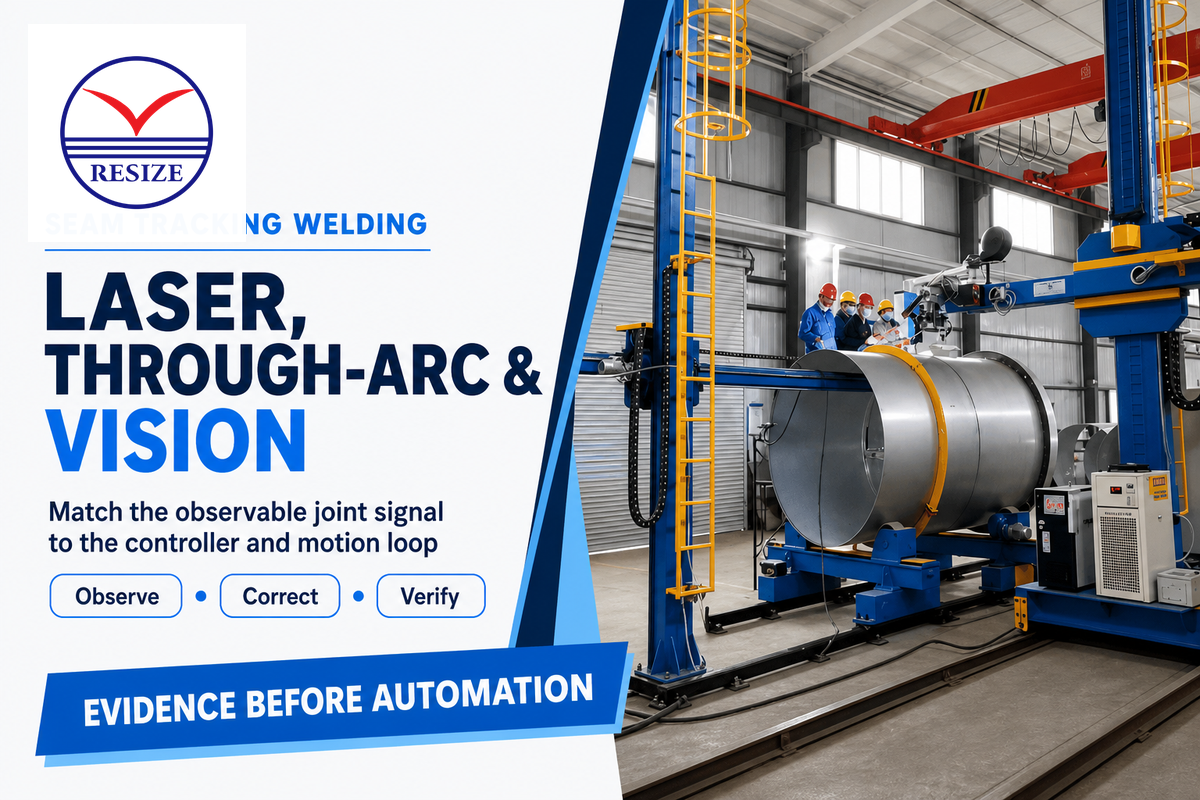
Automation in Welding Processes
The implementation of automated welding systems in industrial operations resulted in improved operational effectiveness through enhanced precise welding works. Through automated systems implementation, companies achieve welding consistency while they decrease production duration and they decrease operational mistakes. The system proves useful for both repetitive work and projects which demand exact performance because manual welding produces variations in results. Automated welding produces consistent results which manufacturers require for their work in construction and automotive and aerospace sectors.
Welding automation functions as a primary benefit which protects worker safety in industrial environments. Automated systems reduce the need for operators to be in close proximity to potentially hazardous environments, such as high temperatures, noxious fumes, and sparks. The workplace environment becomes safer which results in reduced employee injury incidents while decreasing long-term health complications. The implementation of automation technology enables operators to execute their work tasks from distant locations which decreases their safety risks through diminished job-related dangers.
Automation functions as a fundamental organizational requirement which enables companies to grow their operations while maintaining operational efficiency. Automated welding machines require only initial programming to execute production activities which continue without interruption throughout extended periods of time. The high initial expenses associated with automation technology implementation become justified because organizations gain financial benefits from increased productivity and decreased material waste and lower labor expenses. The modern welding industry depends on automation because it has become an essential technology for welding operations.
Improving Weld Quality with Positioners
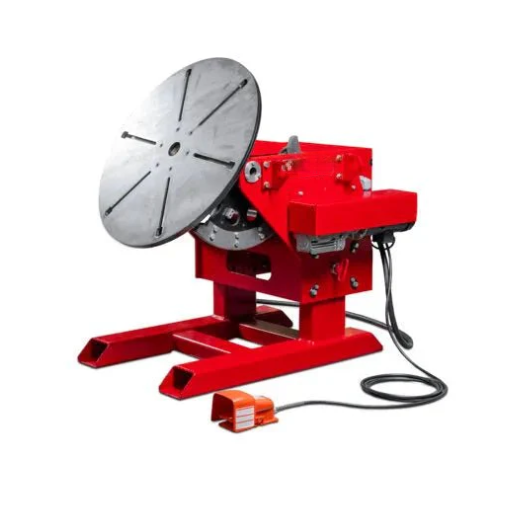
Factors Affecting Weld Quality
Several factors influence weld quality, and understanding these variables is crucial for achieving consistent and reliable results. Proper heat input serves as the most essential factor because excessive or insufficient heat will damage the weld structure. Excessive heat may lead to warping, cracking, or weakening of the base materials, while insufficient heat can result in poor fusion and weak joints. The correct heat settings need to be maintained because they guarantee proper energy distribution during the welding operation.
The cleanliness of the materials being welded stands as another vital element of welding work. Surface contaminants including dirt and rust and grease and paint will produce weld defects that include porosity and inclusions. Proper surface preparation, including cleaning and removing impurities, significantly reduces these risks and improves the overall weld appearance and strength.
Welding quality primarily results from the welder’s technical skills and crafting methods. Welders must carefully control welding speed and torch angle and their operational consistency to create a uniform weld bead. Welders acquire training and practical experience, which enables them to perform well in different joint configurations and material applications, including difficult situations. The attention to these factors will create welds that possess both durability and high quality, which will fulfill operational and safety requirements.
Case Studies: Successful Weld Positioner Implementations
- ★
Structural Steel Fabrication: A company decreased production time by 20% by using positioners to allow better control and accurate material placement, reducing welder fatigue significantly. - ★
Aerospace Precision: An aerospace manufacturer used positioners to handle complex joints, dramatically reducing the error margin and meeting rigorous industry standards for consistent weld beads. - ★
Heavy Machinery Output: Deployment of advanced positioners transformed a factory by allowing operators to reach difficult locations on massive parts, increasing production levels without impacting workforce safety.
Best Practices for Using Weld Positioners
The effective operation of weld positioners needs operators to first develop their work plans before they start following the required operational procedures. First, always ensure the equipment is properly calibrated and maintained before beginning any task. The positioner needs to undergo regular inspections because those inspections will reveal potential problems which include loose components and worn parts that affect its safe and efficient production operation.
The proper handling of materials requires operators to load and balance materials correctly on the positioner. Equipment damage and welding errors will occur because uneven loading creates instability problems that affect equipment operation. The weight and capacity guidelines which manufacturers provide must be followed during operation while operators need to distribute loads across the system to achieve operational stability and accuracy.
The training program needs to provide operators with complete knowledge about safety standards and all operational procedures. Staff members need to learn how to operate the weld positioner controls and they need to know how to change its settings for different tasks while following all safety procedures which include securing materials. The implementation of these best practices in daily operations leads to improved welding efficiency and reduced downtime while creating products of consistent quality.
Productivity and Efficiency in Fabrication

How Positioners Enhance Fabrication Productivity
The implementation of positioners in manufacturing processes leads to increased productivity because they protect worker safety and decrease the time needed for equipment installation and they provide accurate material positioning. The operators use these devices to position workpieces correctly which reduces their need to lift heavy objects and decreases their risk of developing exhaustion. The system decreases workplace injury hazards while it allows workers to concentrate on their duties which enables them to operate at maximum capacity during their entire workday.
Positioners simplify the process of moving heavy items which helps decrease the time needed for equipment installation. The operators can adjust the workpiece direction to reach welding areas without needing to move the workpiece manually. The system enables quicker task completion which leads to reduced operational interruptions and improved production rates in the manufacturing process.
Weld accuracy and consistency receive improvement through the use of positioners which enable precise joint alignment. The stable support system guarantees that welders execute their tasks at the appropriate angles which results in better product quality with fewer mistakes and less need for rework. The use of positioners in manufacturing systems helps companies reach higher production speeds while maintaining excellent product quality because these tools create essential requirements for contemporary production workplaces.
Comparing Standard Products in the Market
The process of comparing standard welding positioners from different manufacturers requires assessment of three main criteria which are load capacity and adjustability and ease of operation. The load capacity of a positioner defines its maximum weight limit which allows various projects to be completed because different projects require different weight limits. Industrial applications need multiple load capacity options which manufacturers provide so customers must choose the correct model for their particular application requirements.
Welding processes receive operational benefits through adjustability which enables operators to manage their positions with exact measurements because this feature makes their work more precise and effective. The combination of rotation angle adjustment and tilt capability in this model gives users a flexible option which meets their different project needs. The ability to adjust equipment provides two benefits because it enhances work output while it protects workers from experiencing awkward body positions and physical exhaustion.
The organization of work operations needs straightforward procedures because they help workers execute their duties and decrease periods when work stops. Workers prefer positioners that have easy-to-use controls together with strong safety features because these elements help them learn how to use the machines and work with them independently. The process of comparing standard features will identify the best positioner for specific operational requirements which will deliver both dependable performance and effective operations to the workplace.
The Future of Robotic Welding and Automation
Future advancements in robotic welding and automation technology will deliver manufacturing processes better operational efficiency and manufacturing precision and production flexibility. The new robotic systems will enable welding operations to complete tasks faster while maintaining consistent product quality which will lead to lower production mistakes and decreased need for rework. The implementation of automation technologies will result in increased output because they enable operations to run with minimal human involvement during non-working periods. Welding operations in industrial sectors will achieve major cost reductions while increasing production through these operational enhancements.
The implementation of artificial intelligence (AI) systems together with machine learning technology will enable robotic welders to achieve new operational capacities. The AI-based welding systems will analyze operational data in real time to identify which methods will deliver the best welding results. The systems will develop methods for predictive maintenance which will ensure that robots function properly while their operational interruptions stay at a minimum. Smart automation systems will enable industries to handle rising customer demands while they maintain high product quality standards.
The future of robotic welding technology will develop its essential capabilities through two crucial processes which include accessibility and flexibility. The next generation of robotic welding systems will provide automotive and aerospace industries with modular and customizable capabilities which support their operational requirements. The combination of training and implementation will become more straightforward which will empower more businesses to adopt these technological advancements. The future of robotic welding technology will transform manufacturing processes by creating a production method that ensures safety and environmental sustainability while delivering benefits to manufacturers and their customers.
Frequently Asked Questions (FAQ)
Q: What are welding positioners for pressure vessels and how do they improve tank fabrication?
A: Welding positioners for pressure vessels are positioning equipment that uses headstock and tailstock or rotator systems to create 360-degree rotational and tilting capabilities for heavy cylindrical workpieces which include tanks and pipes used in welding. The equipment enables 360° workpiece rotation together with exact workpiece adjustment which decreases the need for manual workpiece movements while enhancing welding accuracy and boosting productivity during tank production and pressure vessel construction.
Q: How do weld positioners enhance safety and ergonomics for the welder?
A: Weld positioners enhance safety and ergonomic design because they prevent welders from using dangerous postures while they complete their work. The operators can achieve optimum welding positions through the ergonomic features which include skyhook control and adjustable heights and smooth variable speed controls.
Q: What capacities and tonne ratings are available for positioners used with large pressure vessels?
A: Positioners offer various capacity options which engineers use to select their equipment based on the weight of their workpieces and the necessary safety factors. The common systems used in this field include motorized head and tailstock positioners and custom-designed rotators which can handle heavy loads.
Q: Can welding positioners be used together with automatic welding systems and robotic welding equipment?
A: Welding positioners work together with automatic welding systems and robotic systems to create efficient welding solutions that handle complex weldment requirements. Positioners with precise rotation control, variable speeds and programmable positioning enable synchronized robotic welding, which improves welding consistency and precision and boosts overall welding efficiency.
Q: What features should an engineer look for when specifying a weld positioner for pressure vessels?
A: Engineers should evaluate features like swivel rotation range (360°), adjustable tilt, head and tailstock configuration, capacity (tonne rating), variable speeds, fixture compatibility and reliability. The design requires evaluation to determine its footprint, automation integration simplicity, and ability to deliver high-quality results at an affordable cost while maintaining precise welding operations for cylindrical and tank fabrication.
Q: How do rotators and tailstock positioners differ, and when is each used?
A: Rotators enable continuous rotation to seam weld cylindrical workpieces which include pipes and tanks. Tailstock positioners secure and support the opposite end of a workpiece when combined with a headstock. Tailstock positioners and head and tailstock setups are used together for larger pressure vessels to ensure precise alignment, stability and improved weld positioning.
Q: Are positioners a cost-effective solution compared to manual repositioning for pressure vessel welding?
A: Positioners provide cost savings through their ability to decrease manual repositioning needs which results in shorter welding cycles and higher operational efficiency. The system provides welding shops with multiple advantages which include reduced labor expenses, decreased injury risks, enhanced weld quality, and dependable positioning systems that operate at consistent performance levels. These advantages surpass the initial costs required for welding and assembly fabrication shops.
References
-
Fabrication of Metallic Pressure Vessels – Hillsdale Library – Discusses welding positioners, turning rolls, and other equipment used in pressure vessel fabrication.
-
Welding Engineering – NIT Trichy – Includes a review of welding procedures for pressure vessels.
-
MIT Research on Welding Fixtures – Discusses welding fixtures and their applications in industrial settings.
- Top Welding Positioner Manufacturers and Supplier in China