When it comes to welding, the phrase AWS is often mentioned when discussing their industry standards, certifications, and progress. Then, what does AWS stand for, and what is its significance in the welding domain? AWS is not an abbreviation for the American Welding Society; however, it is an abbreviation for the American Welding Society. AWS helps define the practice and principles behind welding in various industries. This article discusses the American Welding Society: its history, purpose, and impact, while giving an overview of how it pushes the boundaries of excellence and innovation in welding. Whether you are an established welder, an industry professional, or someone interested in welding, this manual will provide background information on how AWS is widely recognized as the trade’s standard and why its influence is so significant today.
Introduction to AWS
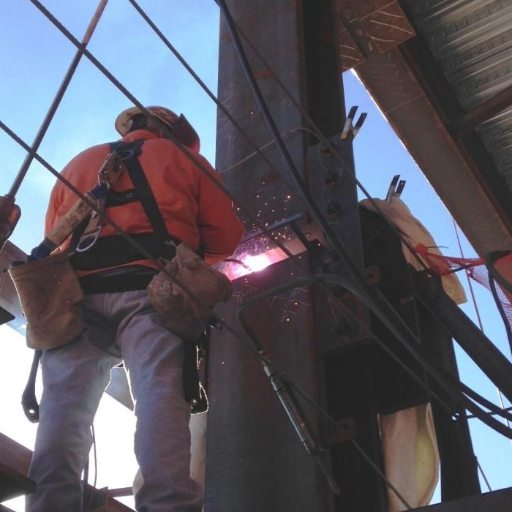
The American Welding Society is a nonprofit organization serving to develop the sciences, technologies, and applications of welding and allied processes. Founded in 1919, the AWS sets standards, conducts certification programs, provides educational support, and organizes events to benefit welding professionals and the welding industry worldwide. The AWS aims to foster welding excellence and innovation for safety, quality, and productivity in several spheres.
Defining AWS
Serving as global leaders in promotion and development of welding processes, AWS continues to support welding activities in industries such as construction, automotive, aerospace, and manufacturing, among others. AWS defines industry standards, such as D1.1 Structural Welding Code, which ensure uniformity and safety in welding practices. It is through AWS certification programs that the CWI (Certified Welding Inspector) credential achieves global recognition, providing genuine credentials with career opportunities for welding professionals. With a global perspective on innovation and education, AWS addresses emerging trends, such as automation in welding and additive manufacturing, helping industries stay ahead in a rapidly evolving technological landscape. The welding community views AWS as one of the most valuable resources for knowledge, certifications, and research.
History and Evolution of the American Welding Society
Founded after the end of Second World War, the American Welding Society was set up to promote the science, technology, and application of welding. Initially conceived to address the need for increased weld knowledge, technology, and training in industrial sectors, AWS has evolved into a globally recognized organization. Over the years, AWS started instituting industry standards and certifications that lay down the benchmarks for quality and safety in welding.
AWS came to play an important role, in supporting industrial growth in the U. S., with regards to development in the areas of manufacturing, infrastructure, and defense, during the mid-1900s. The organization continues to innovate, now encompassing robotics, automation, and additive manufacturing among its interests. In the present context, AWS continues to maintain its educational and standardization endeavors while also ensuring that the welding industry keeps pace with technological trends through a comprehensive research, advocacy, and training program.
The Role of AWS in the Welding Industry
The American Welding Society (AWS) are essential in the welding industry due to its standardization, certification, and education functions. Using its codes and standards, the AWS ensures that a welding practice is awarded top professional quality and is consistently executed irrespective of the project and industry. It grants certifications of high regard that enhance career prospects and elevate the professional standards and trustworthiness of individuals engaged in welding. AWS offers professional development opportunities through a wide range of training resources, including seminars, workshops, conferences, and online courses, keeping the workforce updated with the latest welding technologies and techniques. This blend of standardization, certification, and education has enabled the AWS to become the leader in supporting and advancing the welding industry.
AWS Certification and Standards
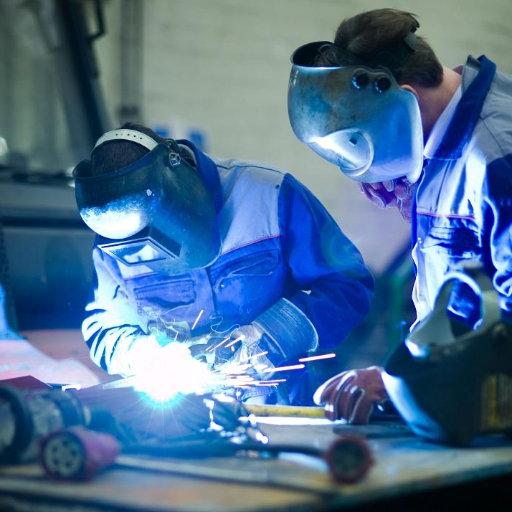
The AWS Certification and Standards are essential to ensuring quality and safety in the welding field. The establishment of guidelines and standards by AWS helps practitioners follow uniform methods and maintain a high standard in their work. Their certification programs validate welding professionals among others, thereby increasing the credibility of these professionals and translating into trustworthiness for the industry.
Understanding Welding Certification
Welding certification is a process that ensures individuals are competent welders, producing quality welds according to established standards. It tests a welder’s skills by following prescribed methods typically established by organizations such as the American Welding Society (AWS). The certification ensures that welders are capable of performing their work safely and effectively within the exact requirements of a project or industry. Employers often request welding certification, as it verifies the welder’s competence and builds trust in the welds in critical applications.
AWS Welding Standards Explained
Welding standards are a set of procedures developed by the AWS. These standards are designed to ensure quality, safety, and consistency in welding across various industries. These standards, in turn, address welding requirements such as types of suitable materials and processes, codes and standards for construction, and welding inspections criteria. For example, the AWS D1.1 structural welding standard and the AWS B2.1 welding procedure specification standards are the most commonly cited standards that serve to establish expectations for welders, engineers, and inspectors. Companies that apply these stringent standards obtain welds of the highest quality that have substantially less chance of defects and, simultaneously, adhere to good industry and safety regulations.
Importance of Certification for Welders
Welders are required to obtain certification to demonstrate their proficiency and knowledge in their craft, as per industry standards. Certified welders are capable of placing sound-quality welds while maintaining consistency with safety and structural requirements. Certification confirms that the welder possesses the necessary knowledge in a specific technique or process, thereby increasing their employability and stature in the industry. Also, in many fields, certified welders are required to comply with safety regulations, mitigate risks, and guarantee the integrity of structures. With certification, welders can undoubtedly enhance their career value while helping organizations mitigate compliance risks and reduce liability.
Key Codes and Specifications
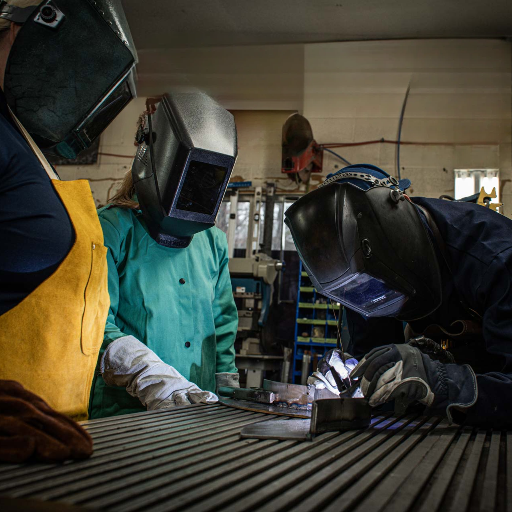
Overview of AWS Codes
The codes of the Welding Society (often referred to as AWS) provide authorized guidelines that ensure quality, safety, and consistency in welding regulations and practices. The codes encompass the whole spectrum of welding, including design, fabrication, inspection, and testing. Some crucial codes for AWS would be:
- ●
AWS D1.1 Structural Welding Code – Steel: Concerned with welding of steel structures. It is widely applied in construction and manufacturing. - ●
AWS D1.3 Structural Welding Code – Sheet Steel: About welding of thin sheet steel, commonly used in light fabrication. - ●
AWS D1.6 Structural Welding Code – Stainless Steel: Welding standards for stainless steel in structural applications. - ●
AWS B2.1 Specification for Welding Procedure and Performance Qualification: Comprises procedures for qualification of welding techniques and performances.
These codes are crucial for ensuring safety, maintaining quality control, and verifying compliance with welding operations in accordance with regulatory standards.
Specifications for Different Welding Processes
Every welding procedure carries specifications particular to its job and the materials involved. Welding processes commonly applied and their specifications are:
Shielded Metal Arc Welding, SMAW: Always use electrodes according to the AWS A5.1/A5.5 specifications for carbon and low alloy steel electrodes. SMAW is a versatile welding process with numerous applications.
Gas Metal Arc Welding, GMAW/MIG: The process stipulates the use of wires adhering to AWS A5.18 for solid wires for carbon steel and AWS A5.20 for flux-cored wires. Advanced deposition rates render it ideal for thin to medium-thickness materials.
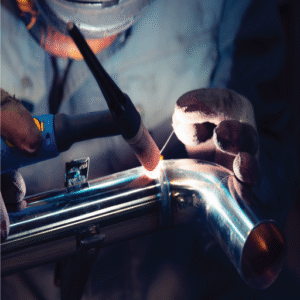
Gas Tungsten Arc Welding, GTAW/TIG: Employs AWS A5.12 classifications for tungsten electrodes and strictly controlled shielding gas mixtures: primarily used for high-quality welds on stainless and non-ferrous metals.
Flux-Cored Arc-Welding: Electrode should conform to AWS A5.20 for carbon steel and AWS A5.22 for stainless steel. This process is well accepted for heavy-duty applications and in an outdoor environment due to slag protection.
Submerged Arc Welding, SAW: Fluxes and wires require an AWS A5.17 and A5.23 specification for carbon and low-alloy steels. Most suited for lengthy and straight welds for industrial purposes.
Ensuring these are adhered to, assure welders optimum strength, durability, and integrity of their projects according to industry demands coupled with safety standards.
Impact of Codes on Structural Welding
The Codes and Standards act as a guarantee of quality and safety for any structural welding effort. They set forth the guidelines under which the materials, processes, testing methods, and inspection criteria involved in welding must be governed. Upholding these codes of weld practice, such as those published by the American Welding Society (AWS), American Society of Mechanical Engineers (ASME), or International Organization for Standardization (ISO), guarantees that welds attain their minimum strength and durability requirements and are thus less prone to failure under load. These laws inculcate uniformity in undertaking; they ensure strength; and they bind the matter within the realm of statutory and industry-specific regulations. Thus, welders adhere to the codes to achieve sustained, reliable results while prioritizing safety.
Materials and Welding Techniques
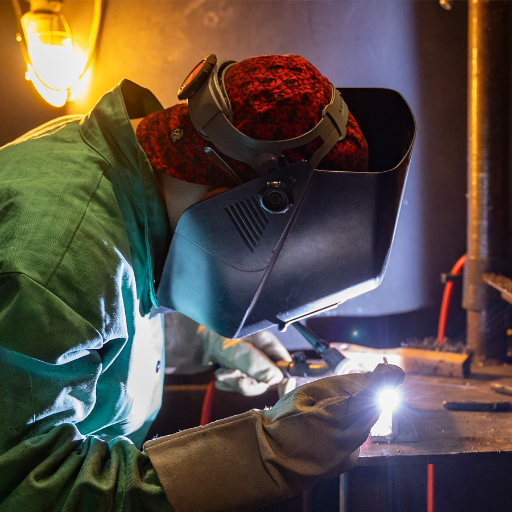
When discussing materials, a wide variety is available, depending on the welding technique to be used and how the material should be treated, based on the metal used, its thickness, and the eventual application. Usually welded materials are steel, aluminum, and stainless steel, and type-MIG, TIG, or stick-welding processes are considered for its welding. Proper preparation of the surface of the base material is required together with filler selection and parameter adjustment, for instance heat and speed, in order to make sure that the welds are powerful and free of imperfections.
Common Welding Wires and Filler Metals
ER70S-6
This is one of the most popular solid wires for MIG welding. It is suitable for welding mild steel and has widespread applications in general fabrication.
ER4043
This wire is generally used in welding aluminum, where corrosion resistance and a smooth finish are required.
E6010
A stick electrode is great for welding in all positions; this is usually used for structural welding and repairs.
ER309L
A stainless steel filler wire, mainly used for welding dissimilar metals like stainless steel to carbon steel.
ER5356
A strong aluminum filler metal that has perfect strength and is generally employed in marine and automotive applications.
Welding Alloys: Low Alloy Steel and More
Low alloy steels are preferred in welding due to their improved mechanical properties and resistance to wear and tear. These alloys typically contain only a small quantity of elements, such as chromium, molybdenum, or nickel, which enhances the strength, toughness, and hardness of the alloys. These materials are used in the construction, automotive, and energy industries, where high-performance materials are required. With low alloy steels welded using the correct consumables, one obtains joint strength that is long-lasting in hard working conditions.
Specialized Welding Techniques: Flux-Cored and Braze
The flux-cored arc welding method is a semi-automatic or automatic arc welding process that utilizes a tubular wire containing flux, which produces a good, clean weld. This method works efficiently outdoors, offering good penetration and performance, even in windy conditions. The flux contained in the wire eliminates the need for external shielding gas in specific applications, providing versatility and cost-effectiveness in the manufacturing of structural steel buildings and heavy equipment.
Contrarily, brazing joins metal parts by heating them and a filler metal above its melting point but below that of the base materials. This process is suitable for joining dissimilar metals and thin sections, providing excellent strength and leakage resistance in the joints. Brazing finds ample applications in HVAC systems, automotive manufacturing, and plumbing owing to its precision and ability to create beautifully clean connections. Both processes are essential in specialized welding applications that cater to market demands of industries and materials.
AWS and CWB: A Comparative Overview
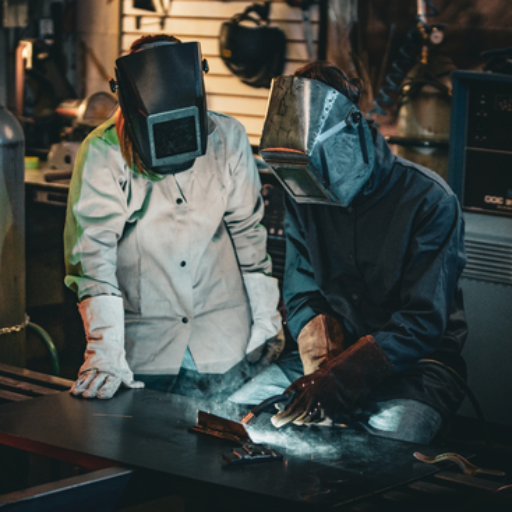
AWS and CWB are the predominant welding certification standards in the US and Canada, respectively, differing in scope, testing procedures, and industry relevance.
Understanding AWS and CWB Relationship
As far as relations go, AWS and CWB work together in ensuring welding standards of quality and safety. AWS is a vast certification body, certifying welders across the various industries including oil and gas, automotive, and aerospace, with standards emanating from ANSI-based documents. The AWS tries to cover a broad spectrum of welding disciplines, techniques, and applications.
CWB, on the other hand, gave its primary attention to structural welding with Canadian building codes as its yardstick through CSA-based standards. The CWB operates with a single testing system in which all welders are certified to the same criteria for use on structural projects, stressing consistency. While both encourage good practice in welding, AWS tends to have more for the certification spectrum, while CWB’s focus is structural integrity within a Canadian-specific regulatory framework.
Overall, these two organizations complement each other in advocating high-quality welding practice within their respective regions and industries, essentially providing a bridge to any professional who might be a cross-border worker. Familiarity with both systems can offer welders and companies with a strategic advantage in terms of compliance and demonstrating expertise internationally.
Differences in Certification Processes
The certification processes for AWS (American Welding Society) and CWB (Canadian Welding Bureau) are distinct, as they adhere to different standards under various regulations. AWS certifications are primarily based on AWS D1.1 code, which extends over a broad range of industries and materials. Testing for welders typically requires them to sit for a written examination and undergo practical work-based testing to assess their skills and knowledge of various welding techniques and positions. These certifications are highly flexible and recognized worldwide, providing welders with the mobility to work anywhere across global markets.
CWB certification, by contrast, is governed by the Canadian standards CSA W47, W59, among others, and emphasizes compliance with Canadian construction and manufacturing standards. The WCB certification regime differs from AWS in that, in addition to certifying welders, companies must also be certified to assure that welding operations meet Canada’s stringent safety and structural standards. Practical tests will be performed under the supervision of inspectors certified by the CWB, and certifications must be renewed in compliance.
Practically, both systems aim to guarantee quality and safety in welding processes. The certification to pursue will largely depend on whether one operates strictly within Canada or internationally. Hence, being familiar with both systems will significantly benefit the welding enterprise of today.
International Recognition of AWS Standards
The American Welding Society (AWS) standards are globally recognized and respected for quality and safety requirements. The standards are put to different industrial applications such as in construction, manufacturing, aerospace, and so on, where uniformity and reliability are the most vital. These certifications thus offer welders and companies the much-needed flexibility in venturing globally, as countries, in tandem with multinational corporations, recognize AWS certifications as proof of expertise. Increased recognition across the globe enhances employment opportunities and facilitates cross-collaborations; AWS standards, thus, become a valuable asset in the global welding industry.
Reference Sources
-
About AWS | Welding Standards and Education – Provides an overview of the American Welding Society’s mission to advance welding science, technology, and education.
-
American Welding Society – Wikipedia – Offers a detailed history and purpose of the AWS, including its role in the welding industry.
-
AWS Classifications – Lincoln Electric – Explains the AWS numbering system and its significance in welding applications.
- Top Welding Positioner Manufacturers and Supplier in China