The process of frame welding represents an essential automotive repair task which directly affects vehicle safety and operational capabilities. Vehicle frame construction serves as the main element which determines a vehicle’s structural strength thus requiring proficient welding skills for all restoration and repair work. This blog post provides an in-depth examination of automotive frame welding which serves both experienced industry professionals and enthusiastic learners.
The article will demonstrate how proper frame repair procedures create major obstacles for welders while introducing new methods which are transforming the welding profession. The article presents a complete guide to welding processes and industry standards which automotive professionals need to understand for their work. Stay tuned as we break down the tools, techniques, and tips crucial for mastering the art of frame welding.
Key Takeaway
Automotive frame welding is the backbone of vehicle structural integrity. Mastering a mix of MIG, TIG, and spot welding techniques—combined with rigorous safety protocols—is essential for restoring vehicles to OEM safety standards.
Understanding Automotive Frame Welding
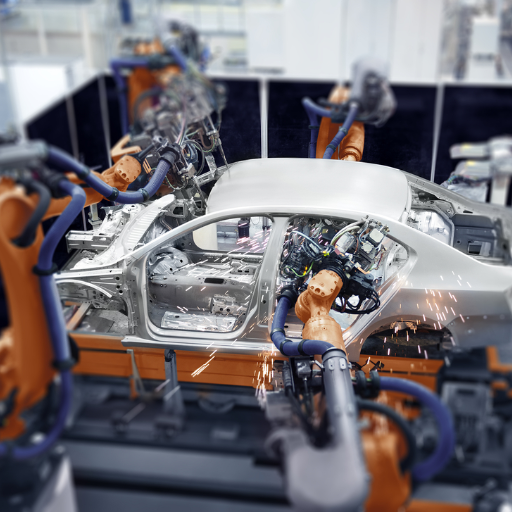
What is Automotive Frame Welding?
Automotive frame welding refers to the process of joining together or fixing vehicle structural components through the application of welding methods. The frame functions as the main support structure which helps the vehicle maintain its complete physical structure. The frame needs to undergo welding procedures because this process enables the vehicle to withstand operational weight while enduring daily wear and tear.
The proper execution of frame welding procedures holds major importance because the condition of the frame affects both vehicle safety and performance levels. The welding field requires professionals to select between various welding methods which include MIG (metal inert gas) welding and TIG (tungsten inert gas) welding methods based on their material requirements and project needs. The process requires complete preparation which includes both area cleaning and component alignment verification to achieve strong and dependable results.
Automotive frame welding requires practitioners to possess both specialized expertise and knowledge of industry regulations. The standards establish requirements for weld strength and safety compliance. The welding repairs must bring the frame back to its original strength level without altering its intended design. The precise measurements of the work demonstrate that specialized knowledge and proper equipment are essential for completing frame welding tasks which automotive technicians need to perform.
Importance of Frame Welding in the Automotive Industry
Frame welding functions as an essential process which Preserve vehicle structural strength through frame welding The automotive frame system functions as the fundamental support structure which maintains vehicle body stability while providing operational safety to drivers and passengers The frame sustains damage from accidents and corrosion and general wear which results in safety and performance hazards for the vehicle. The process of frame welding creates a dependable method to restore the frame which enables the vehicle to function according to its design specifications.
The process of frame welding enhances safety because it stops structural breakdowns which result in dangerous accidents. The vehicle frame receives proper repair which enables the vehicle to endure road impacts while maintaining stability during emergency situations. This aspect is crucial for protecting passengers and other road users. The practice of frame welding enables vehicle owners to extend the operational life of their vehicles which results in financial savings when compared to complete frame replacement.
The process of frame welding needs specialized skills which require welding experts to use precise methods while they follow established industry guidelines. The welding process needs experienced technicians who will ensure that the frame design and alignment stay intact during the welding process. Vehicle protection which also secures passenger safety needs qualified professionals who use advanced tools to create high-quality results which last long.
Types of Vehicle Frames
The two main categories of vehicle frames include body-on-frame and unibody systems. The two systems function as the primary structural elements of vehicles but exhibit different architectural structures and usage methods.
| Frame Category | Design Philosophy | Common Vehicles |
|---|---|---|
| Body-on-Frame | Separate body and chassis; durable for heavy loads. | Trucks, Large SUVs |
| Unibody | Unified structure; energy absorption and efficiency. | Sedans, Compact SUVs |
The body-on-frame design involves constructing the vehicle’s body and frame separately, then joining them together. The design provides trucks and large SUVs with a durable frame that lets them operate in extreme conditions while carrying heavy loads. The body and frame components of the vehicle design make it simpler to perform repairs and modifications because they function as separate parts.
The unibody frame combines body and frame elements into a unified structural system. This design is prevalent in most cars and smaller SUVs as it reduces the overall weight of the vehicle, improving fuel efficiency and handling. Unibody frames provide better collision safety because they handle crash forces through their system of force distribution and energy absorption. Unibody structures require special handling for repairs because their design creates one unified component.
Welding Techniques Used in Car Frame Repair
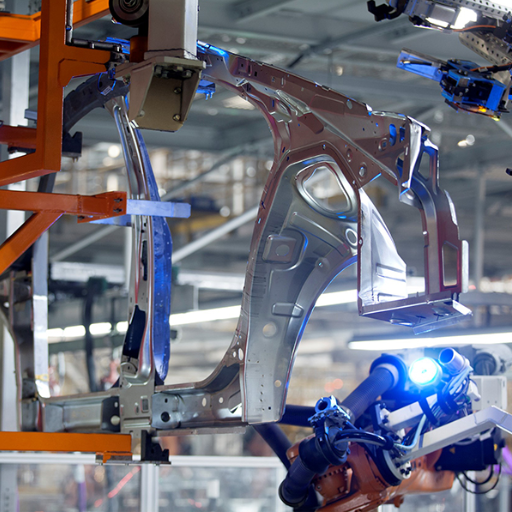
Overview of Common Welding Methods
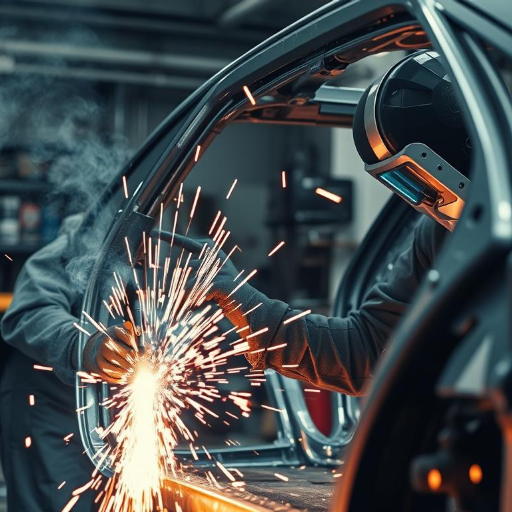
Multiple welding techniques are used by technicians to repair car frames because these methods maintain safety standards and preserve structural strength. MIG (Metal Inert Gas) welding stands out as the most common welding method because it provides users with straightforward operations and high accuracy results. MIG welding provides clean and strong welds which make it suitable for welding unibody structures that use thin metal sheets. Most automotive applications adopt this method because it provides both practical solutions and operational efficiency.
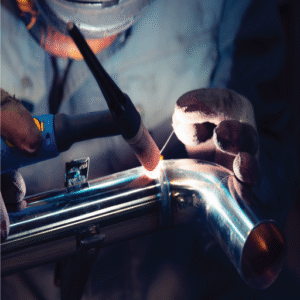
TIG (Tungsten Inert Gas) welding stands out as a widely used method because it produces precise welds that exhibit exceptional strength. TIG welding excels at welding lightweight materials which include both aluminum and high-strength steel. The results of this process require extensive time and specific skills to achieve yet they provide more robust and visually appealing outcomes than MIG welding. Engineers use this method to design detailed sections of car frames which require both intricate construction and strong structural support.
Spot welding serves as a vital welding technique for repairing car frames that use unibody construction. This technique creates a strong bond between two thin metal sheets by applying heat and pressure to a specific point. Spot welding establishes two primary functions which automotive assembly plants use for their production work and which technicians employ to restore vehicles to their original factory specifications. The localized nature of spot welding minimizes heat distortion which maintains the frame’s original strength and shape.
MIG Welding: Benefits and Applications
MIG welding, which stands for Metal Inert Gas welding, serves as a welding technique that multiple industries employ throughout their work processes. The process requires continuous wire electrode delivery through the welding gun which creates a weld that an inert shielding gas defends against outside contamination. The method produces high-quality welds which require few cleaning operations after completion because of its efficient performance throughout many different use cases.
[Image of MIG welding process diagram]
MIG welding provides multiple advantages because of its ability to function across different applications. The system supports welding operations across different materials which include steel and aluminum and stainless steel thus providing industrial versatility. The process requires basic skills which make it easier to teach operators because they need only short training time. The system enables manufacturers and repair technicians to work at higher levels of efficiency throughout their operations.
MIG welding exists as an industrial method which automotive and construction and aerospace sectors use to create strong permanent connections. The industry uses it to build metal structures and repair equipment and manufacture car components. The combination of user-friendly operation and strong weld production capacity establishes MIG welding as a fundamental instrument used by professionals and enthusiasts.
Other Welding Techniques in Automotive Repair
The automotive repair industry utilizes TIG welding besides MIG welding as its second most popular welding method. TIG welding offers precision control that enables welders to produce high-quality welds on thin materials which require a clean finish. This method is commonly used for detailed work on stainless steel, aluminum, and other non-ferrous metals that are prevalent in automotive construction. The TIG welding process requires more time and skilled labor than MIG welding, yet it produces results with unmatched accuracy and visual appeal.
Spot welding is essential for both car body production and car body repair work. This process offers a suitable solution for joining metal sheets which are commonly used in vehicle panels and structural components. Spot welding uses electrodes to create localized heat, effectively fusing the metal sheets together. The system operates with high speed and efficiency to become a necessary element which maintains both durability and strength in parts that have been assembled during production and repair processes.
Stick welding or shielded metal arc welding (SMAW) serves as an essential welding method for automotive repairs which involve heavy-duty construction. The system provides both versatility and portability because it functions effectively in outdoor locations as well as areas with limited controlled conditions. Stick welding provides a strong and dependable method for fixing heavy vehicle frames and machinery even though it lacks TIG welding’s accuracy and MIG welding’s user-friendliness. The combination of these welding techniques enables automotive repair technicians to handle various material types together with different repair requirements.
Welding Equipment and Tools for Automotive Applications
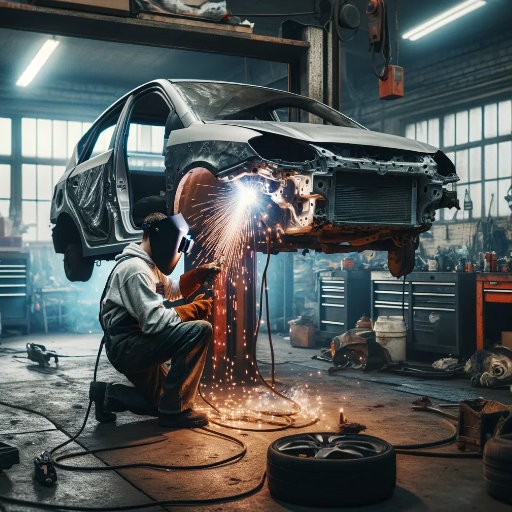
Essential Tools for Car Frame Welding
Car frame welding requires proper equipment because it protects workers while providing necessary strength and accurate results. Fundamental tools need welding machines which match their respective welding techniques through TIG and MIG and stick welding methods. TIG welding machines produce accurate and clean welds which function best on lightweight materials whereas MIG welders provide versatile and simple operation for automotive repair tasks. Stick welders function as dependable equipment which technicians use to perform essential structural restoration tasks. The selection of a welding machine requires evaluation of three factors which include repair type and metal material and workspace environment.
⚠️ Important Note
Always disconnect the vehicle battery and sensitive electronic control modules (ECMs) before welding on the frame to prevent electrical surges from damaging the vehicle’s computer systems.
Welding safety gear is equally crucial for protecting the technician during the process. A high-quality welding helmet with an auto-darkening feature shields the eyes from harmful ultraviolet and infrared radiation. Heat-resistant gloves and flame-resistant clothing and steel-toed boots protect users from sparks and heat and hot metal debris. Proper ventilation or fume extractor installation enables air quality control while minimizing worker contact with dangerous fumes.
Essential tools for securing the car frame include clamps and angles and metalworking tools which help create welding surfaces. Wire brushes and grinders are used to clean metals, remove rust, and create smooth edges for better weld adhesion. Measuring tools like calipers or tape measures ensure precise alignment. The combination of these tools establishes accurate car frame restoration processes which maintain vehicle structural components and passenger safety.
Choosing the Right Welder for Automotive Welding
The selection process for suitable welding equipment in automotive applications begins with an assessment of required welding operations. The automotive industry recommends MIG (Metal Inert Gas) welders as the best choice for most automotive repairs because these machines operate easily while providing accurate results and working well with the thin metals used in car body panels and frame components. The MIG welding process enables operators to select precise temperature controls which help them avoid damaging fragile materials that engineer bodywork and frame restoration work.
💡
Pro Tip
For aluminum frames, ensure your MIG welder is equipped with a spool gun or a Teflon liner to prevent wire kinking and ensure smooth feeding of the soft aluminum wire.
The material that needs welding serves as another vital aspect of the welding procedure. Most automotive construction projects use steel as their primary material and all welding machines can operate with this material. To weld aluminum components effectively you need a special welder that includes a spool gun attachment to handle the properties of aluminum. The selection process demands that you find a welder which supports your specific material requirements.
Welders should have power settings which users can modify according to their requirements. Automotive welding requires workers to handle different metal thicknesses thus they need equipment which allows them to change amperage and voltage settings for successful welding results. Portable and compact options provide benefits because they enable users to move through confined areas which include undercarriages and wheel wells. The selection process for welding equipment requires you to evaluate your project requirements against your current skill level.
High-Quality Equipment for Best Results
Automotive projects require high-quality welding equipment to produce dependable and professional results. The proper tools provide precise results while maintaining equipment durability and worker safety, which makes these tools crucial for both experienced welders and novice welders. The equipment should include adjustable settings for amperage and voltage because these features enable technicians to handle different metal thicknesses that they will encounter throughout automotive work.
Durability is another key factor to consider. Equipment constructed with strong, long-lasting materials can withstand frequent use and challenging environments, such as working in confined spaces or under vehicles. The compact and lightweight design of tools provides essential operational flexibility, which enables workers to complete their tasks efficiently in tight spaces while maintaining accurate results.
The best results require safety features to be your primary focus. The equipment must include advanced protection systems which include thermal overload protection and stable power output to create safe operational conditions for both you and your materials. Through careful examination of these elements, you will find high-grade tools which will fulfill your requirements while ensuring successful results in your automotive welding work.
The Welding Process in Automotive Frame Repair
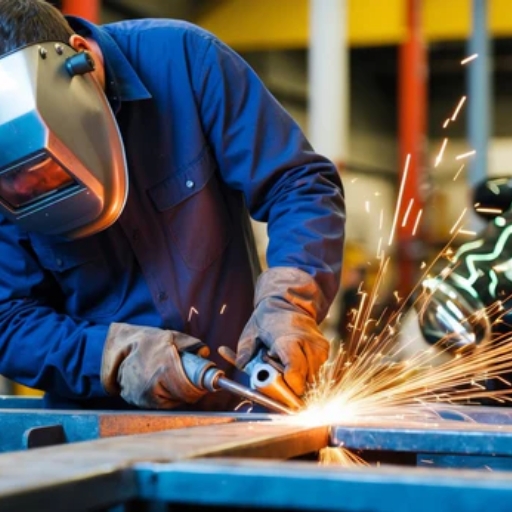
Step-by-Step Guide to Frame Welding
- 1
Assess the Damage
Begin by performing a complete examination of the vehicle frame to discover which parts require restoration. Mark the locations of cracks and bends and other problems that threaten to damage the frame. You must comprehend all aspects of the damage before you can continue with your work. - 2
Prepare the Work Area
Use a lift or jack stands to secure the vehicle in an unmovable position. All flammable materials in the area need to be removed. The frame needs cleaning to remove all rust and paint and contaminants which will allow proper execution of the welding process. - 3
Align the Frame
The frame requires realignment through the use of clamps and braces together with special equipment when it has suffered bending or distortion. The vehicle requires proper alignment because it establishes the structural base which needs to be restored. Operators must verify all measurements because they need to achieve total accuracy before proceeding to weld. - 4
Select the Right Welding Method
The welding method selection needs to match the frame material which must be welded. The welding procedure exists because MIG welding delivers control and accuracy while TIG welding works better on thin metals. Your selected technique must match the exact needs of your repair task. - 5
Weld the Damaged Areas
Begin welding the designated zones while maintaining a controlled pace to create consistent welds through welding. The operator needs to manage heat settings because overheating will lead to material distortion. The operator should increase weld material in progressive steps which results in an effective and lasting repair solution. - 6
Cool and Inspect the Welds
The welds require natural cooling because this process maintains frame strength. The welds need to be inspected for both consistency and strength after they have cooled down. The surface requires grinding and smoothing to extract excess material which will enhance its visual appeal. - 7
Test the Frame Integrity
The frame requires testing after welding to verify that it maintains its structural integrity. The process involves both re-measuring alignment and performing a road test to confirm the stability of the repair work.
Safety Considerations During Welding
Welding creates dangerous conditions which require safety measures because it uses extreme heat and produces bright light and emits toxic gases. To protect yourself, always wear appropriate personal protective equipment (PPE), including a welding helmet with a proper shade, flame-resistant gloves, protective clothing, and safety boots. The equipment protects your body against sparks and ultraviolet radiation and heated materials.
Welders need to establish proper airflow systems because the process creates toxic welding fumes which must be controlled. Workers need to wear approved respirators when the ventilation system does not provide adequate airflow. Workers need to keep flammable materials away from the welding area while maintaining an organized workspace which allows for easy movement through the site.
Final equipment inspection before operation helps determine whether equipment functions properly. Equipment inspection includes three components: checking cables for damage, verifying proper ground connections, and testing tools for functionality. Equipment becomes safe when operators follow safety protocols while handling equipment, which creates a more secure welding environment.
Common Challenges in Frame Welding
The technical process of frame welding contains specific difficulties which create problems for both work quality and operator safety. The main challenge exists when materials experience distortion because of extreme heat. Welding uses high temperatures which cause base materials to either warp or lose their structural integrity. The resulting distortion leads to defective joints which create misalignment problems that weaken the frame’s strength. The problem can be reduced through effective heat control methods which include staggered welding and using clamps to secure materials.
Welding penetration problems frequently occur because the weld fails to completely bond with the base materials. This causes weak joints which can easily crack or break when subjected to weight. Poor penetration results from three main reasons which include using incorrect heat settings and welding at the wrong speed and failing to prepare materials properly. The operators need to make sure they have selected correct material thickness settings while they learn how to clean and prepare surfaces for welding.
The weld area becomes contaminated which results in defects that create porosity and inclusions within the weld bead. This contamination occurs because of the presence of oil and rust and dirt and other impurities which exist on the workpieces. The contaminants stop materials from fusing cleanly which results in welds that both weakened and visually unappealing. The weld integrity can be maintained through the implementation of effective cleaning methods together with correct usage of shielding gases. The operators can achieve superior quality results through challenge identification which improves their ability to complete frame welding projects successfully.
Benefits of Professional Frame Repair in the Automotive Industry
Impact of High-Quality Welding on Vehicle Safety
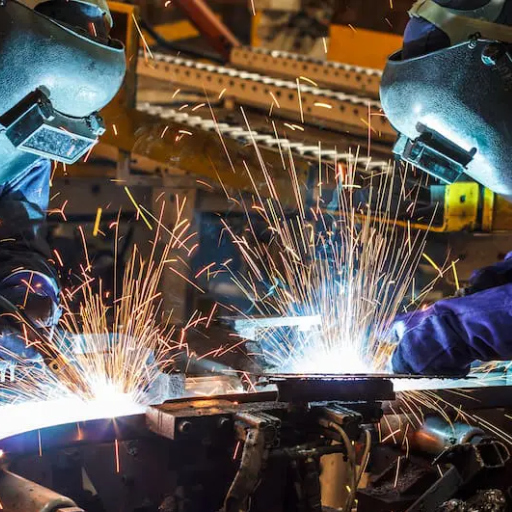
High-quality welding establishes essential safety measures for vehicles because it enhances the strength of the vehicle’s frame through advanced welding techniques. The execution of proper welds establishes a long-lasting connection between parts which enables the frame to endure intense stress and impact forces without breaking. A sturdy frame provides essential protection to passengers during collisions because it absorbs energy while keeping the vehicle’s structure intact.
Poor welding practices, on the other hand, create weak joints which make the vehicle unsafe to operate when under stress. Defective welds may result in cracks or fractures in the frame which can create dangerous situations during both normal operation and emergency situations. High-quality welding eliminates these risks by securing all joints to handle both normal driving conditions and unexpected impacts.
High-quality welding enhances vehicle durability because it protects joints from damage caused by corrosion and wear throughout the vehicle’s lifespan. Skilled welding techniques combined with proper materials and protective treatments enable extended durability of the vehicle’s structural components. Professional frame repair operations in the automotive industry require this element because it helps maintain safety while increasing vehicle value and reliability.
Cost-Effectiveness of Proper Frame Repair
Proper frame repair serves as an affordable solution which guarantees vehicle safety while protecting its monetary worth throughout time. Repair professionals who start structural damage restoration work immediately can stop further damage which would create future costs. The total expenses decrease through the process of repairing structural components because this method preserves the vehicle’s operational performance and structural integrity.
The implementation of proper frame repair creates long-lasting financial benefits. The structural integrity and visual attractiveness of vehicles with properly maintained frames allow them to maintain higher resale values. A successful frame repair process enables the restoration of the frame to its original state which increases vehicle reliability while enhancing its market value to prospective buyers.
The execution of proper frame repair procedures helps businesses protect themselves from hidden expenses which arise from safety-related hazards. A vehicle with an unrepaired frame endangers its passengers because it loses its ability to provide protection during a crash. The situation may lead to increased medical costs or legal responsibilities. The process of proper repair execution decreases these dangers which helps to secure both mental tranquility and economic benefits for an extended period.
Frequently Asked Questions (FAQ)
Q: What are the most common Automotive Frame Welding Applications in modern vehicles?
A: Automotive frame welding applications involve multiple tasks which include joining stamped steel frame sections and attaching subframes and repairing damaged frame areas and fabricating reinforcement brackets which support vehicle components like exhaust system mounts and suspension mounts. The applications utilize multiple welding methods which include MIG or TIG welding and resistance welding and laser welding and manual welding to meet specific requirements based on the required weld quality and the type of base metal and the thickness of materials being welded.
Q: Which welding processes are best for vehicle frame welding: mig or tig?
A: Vehicle frame welding uses both MIG and TIG as common welding methods. MIG welding (GMAW) is the preferred welding method because it establishes a better weld pool control while enabling faster production and it allows welding of thicker materials which the automotive industry requires to create their auto frames. TIG welding delivers precise welding results which produce high-quality welds on thin sheet metal and it enables better control of specialized alloys; auto body technicians use TIG welders with tungsten electrodes and suitable filler materials to conduct frame section repairs and frame and fender welding works that require high-quality results.
Q: How do filler and filler metal choices affect Automotive Frame Welding Applications?
A: The selection of filler materials and their respective filler metal determines the weld joints strength and material resistance to corrosion and base metal compatibility. For automotive frame welding applications, common fillers match low-alloy steels or high-strength steels used in cars. The selection of appropriate filler metal establishes a uniform weld connection which decreases the likelihood of cracks while sustaining the operational integrity of components used in suspension towers and exhaust system brackets. The filler material needs to match the requirements of stamped steel while considering the alloy composition and the specific welding method which will be applied.
Q: When is resistance welding or laser welding used in the automotive sector?
A: The automotive industry relies on resistance welding and laser welding for their production processes which create car parts and sheet metal assemblies at high speeds. The assembly line process uses resistance welding to effectively join stamped steel panels. Laser welding creates narrow welds which produce little distortion while achieving high aesthetic standards. This makes laser welding suitable for creating precise joints in car sheet metal assemblies and in hybrid structures which use both steel and alloy materials.
Q: What role do auto body technicians play in vehicle frame welding and auto repair?
A: Auto body technicians possess the expertise to evaluate damaged frame components develop repair strategies and choose between manual welding TIG and MIG welding and resistance and laser welding methods. They assess the base metal design suitable weld joints restore vehicle structural integrity after damage and verify weld quality according to automotive manufacturers requirements. The technicians select between single weld applications and multiple pass methods based on the situation while choosing suitable filler materials electrodes and equipment.
Q: How does welding thin materials and welding thick materials affect the automotive industry?
A: Welding thin sheet metal requires precise heat control to avoid burn-through and warping; TIG welding provides fine control of the weld pool and is often used for thin sections. Welding thicker materials which manufacturers use for auto frames requires higher heat input together with faster deposition rates which MIG or specialized robotic welding systems provide. The method chosen affects equipment cost, cycle time, and the advantage of MIG (speed) versus TIG (quality) in different automotive frame welding applications.
Q: What are the advantages and applications of MIG and TIG in frame or fender welding?
A: The advantage of MIG is faster deposition, ease of use, and suitability for welding thicker auto frame components—benefit of MIG in production environments. TIG welding provides superior control for cosmetic fender repairs and welding thin sheet metal with minimal distortion; tig welding provides clean, high-quality welds for visible joints. Automotive manufacturers and auto body shops use both methods to complete their work which ranges from crash repairs to custom car part fabrication.
Q: How does weld joint design and base metal selection impact weld quality in Automotive Frame Welding Applications?
A: Weld joint design (butt, lap, fillet) and base metal selection determine stress distribution, weld accessibility, and required filler metal. Properly selecting filler material for base metal alloy and designing suitable weld joints enhances fatigue resistance of vehicle frame components while maintaining automotive safety standards. The design of the joint and the choice of base materials create a risk of weak welds which can lead to corrosion and early breakdown of vehicle parts used in car frames and auto frame assemblies.
References
-
Automotive Applications of Welding Technology – A Study – A comprehensive study on the use of welding in the automotive industry for structural components and engine parts.
-
Friction Stir Form Welding of Aluminum Structures – Scholars’ Mine – Research on the applicability of friction stir welding technology in automotive applications.
-
Laser Welding Processes and Applications – AHSS Guidelines – Insights into laser welding processes and their applications in automotive frame and body-in-white (BIW) components.
- Top Welding Positioner Manufacturers and Supplier in China