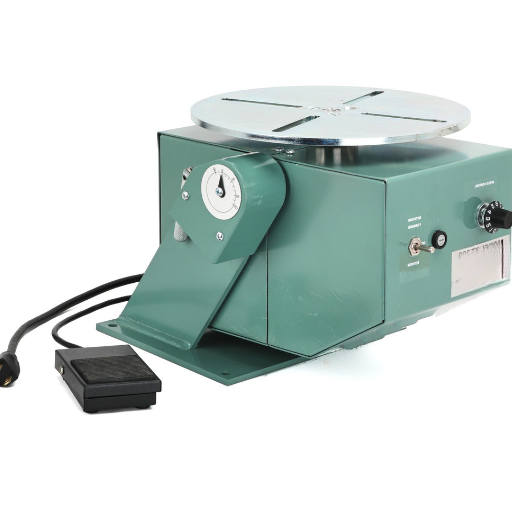
Understanding Benchtop Positioners
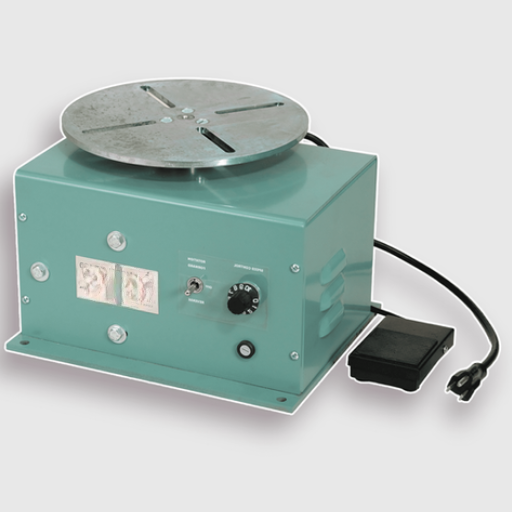
Definition and Features of Benchtop Positioners
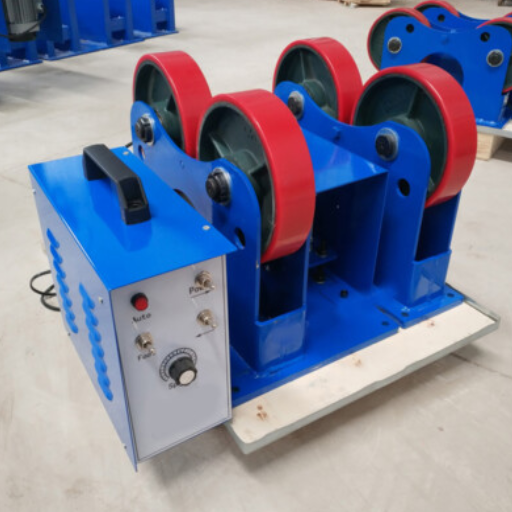
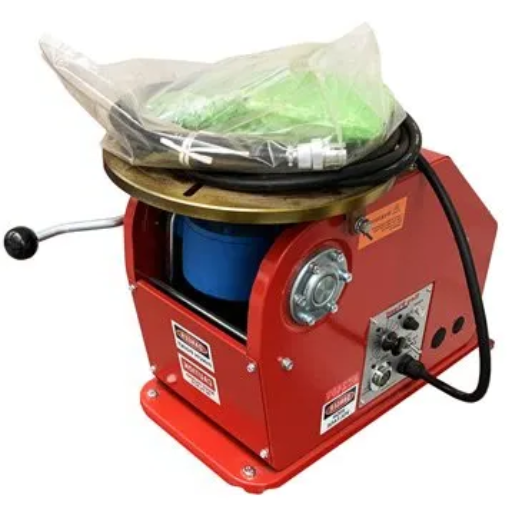
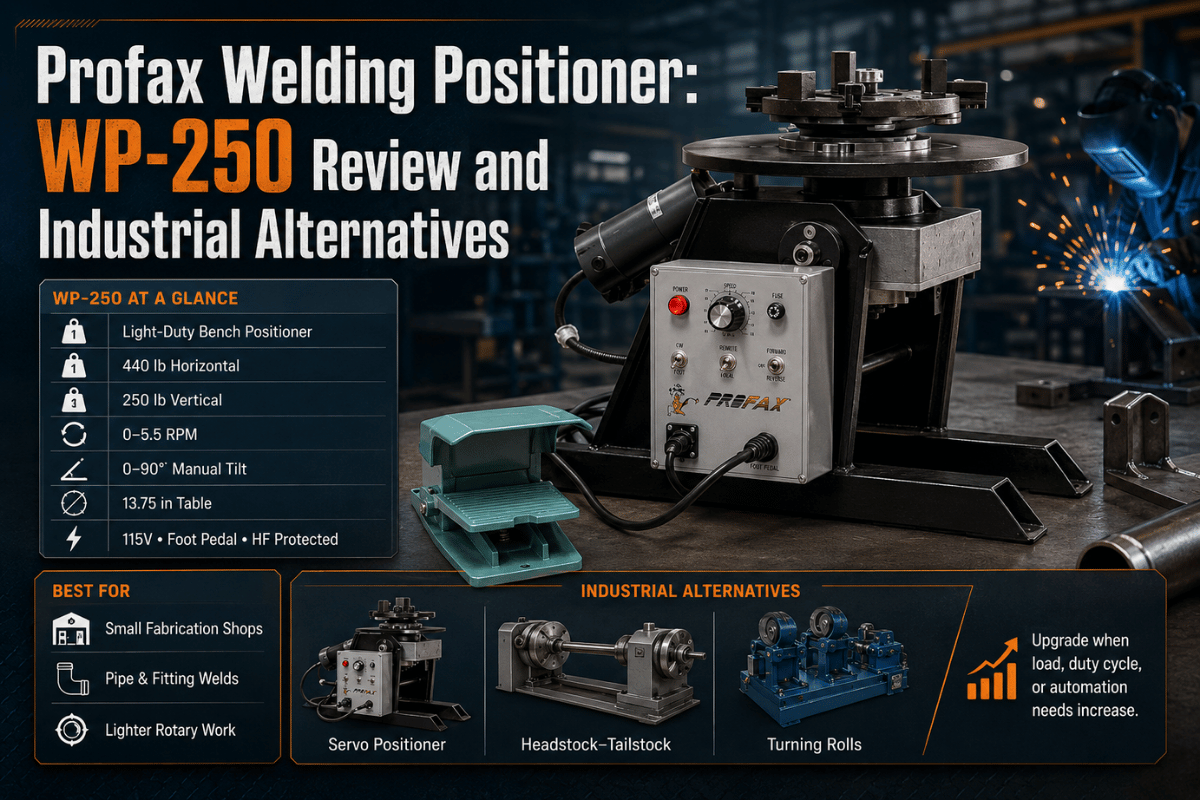
The devices known as benchtop positioners function as portable equipment which enables users to attain precise control of their workpieces during multiple industrial activities including welding and assembly and inspection tasks. These positioners are typically used in small-scale or precision-focused tasks which require both stability and control to achieve high-quality results. Benchtop positioners provide users with adjustable tilt and rotation capabilities which enable them to reach difficult-to-access viewing angles. The majority of device models contain both intuitive control systems and high-strength construction materials which enable them to maintain their performance standards during difficult operational conditions. The advanced benchtop positioners of today include automated functions which help users to work better and achieve better results. The devices function as critical resources for manufacturing and aerospace and electronics industries which require precise measurements and flexible operational capabilities.
Common Applications in Woodworking
Benchtop positioners have become essential equipment for woodworking professionals because these devices improve their work precision and operational performance. The equipment is designed to support activities that require precise angle control and sustained power during sanding and carving and finishing work. The devices provide craftsmen with a secure method to hold their workpieces which guarantees stability for detailed tasks that include inlay work and joinery. The quality of final products benefits from benchtop positioners because they improve accuracy while decreasing physical demands on workers. Woodworkers can achieve sophisticated and detailed outcomes through custom furniture creation and cabinetry and artistic wood designs which the equipment enables them to achieve.
Advantages of Using Benchtop Models
Benchtop models provide perfect accuracy together with operational precision which makes them suitable for handling complex and detailed projects. Their compact design ensures they can fit into a variety of workshop sizes without compromising on functionality. The advanced safety mechanisms together with digital displays and variable speed controls which modern benchtop machines feature, enhance their operational efficiency and usability. The models provide small businesses and hobbyists affordable equipment which costs less than industrial machinery. The equipment enables woodworkers to produce high-quality results while decreasing material waste, which makes it essential for both professional and amateur woodworkers.
Exploring Floor Positioners
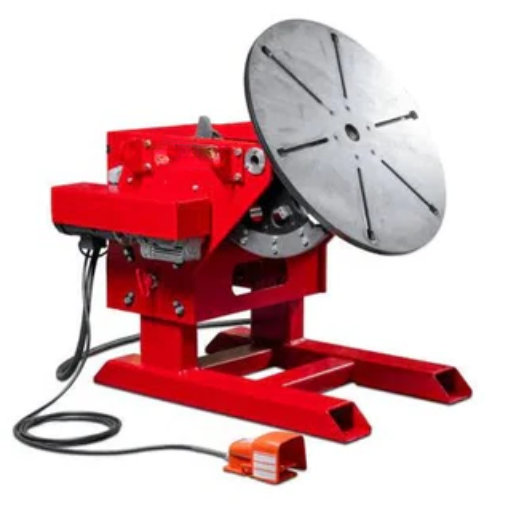
Overview of Floor Model Positioners
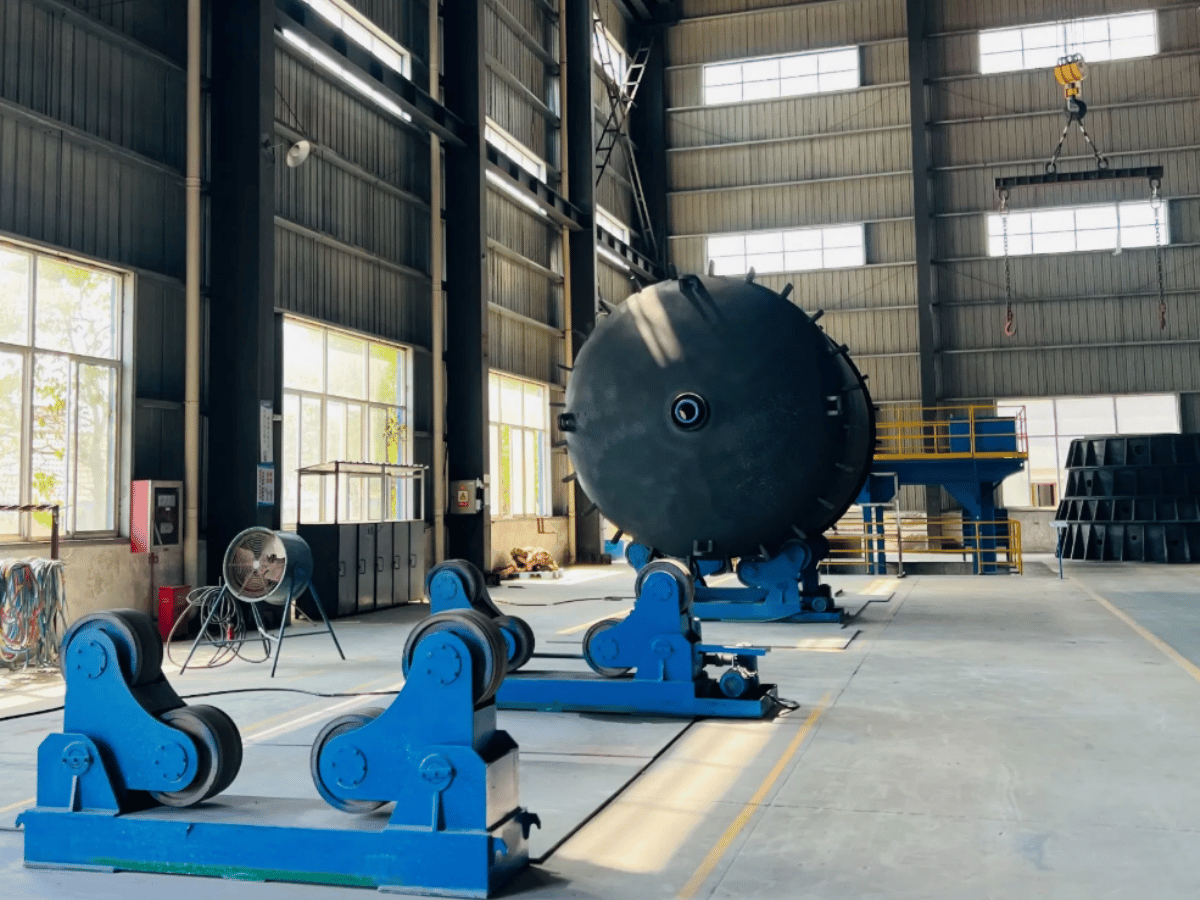
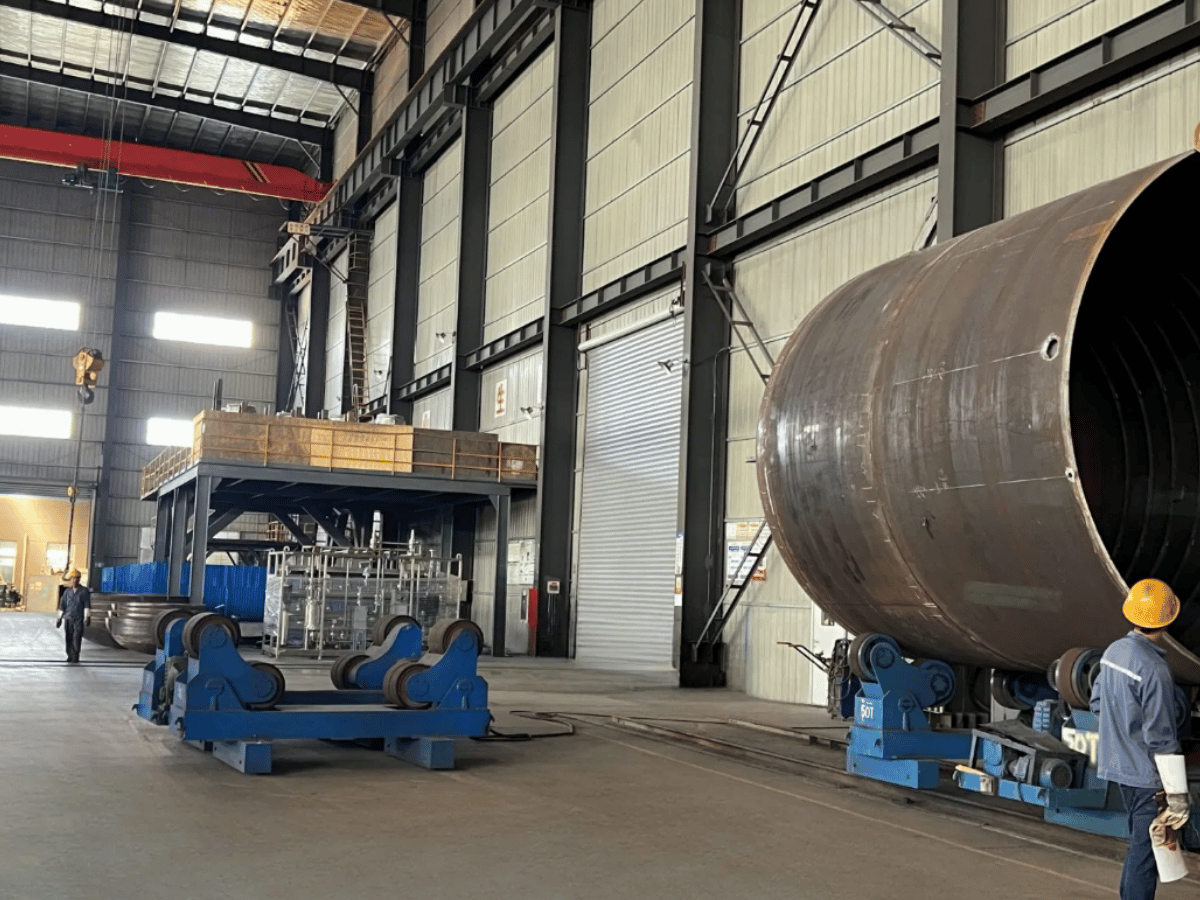
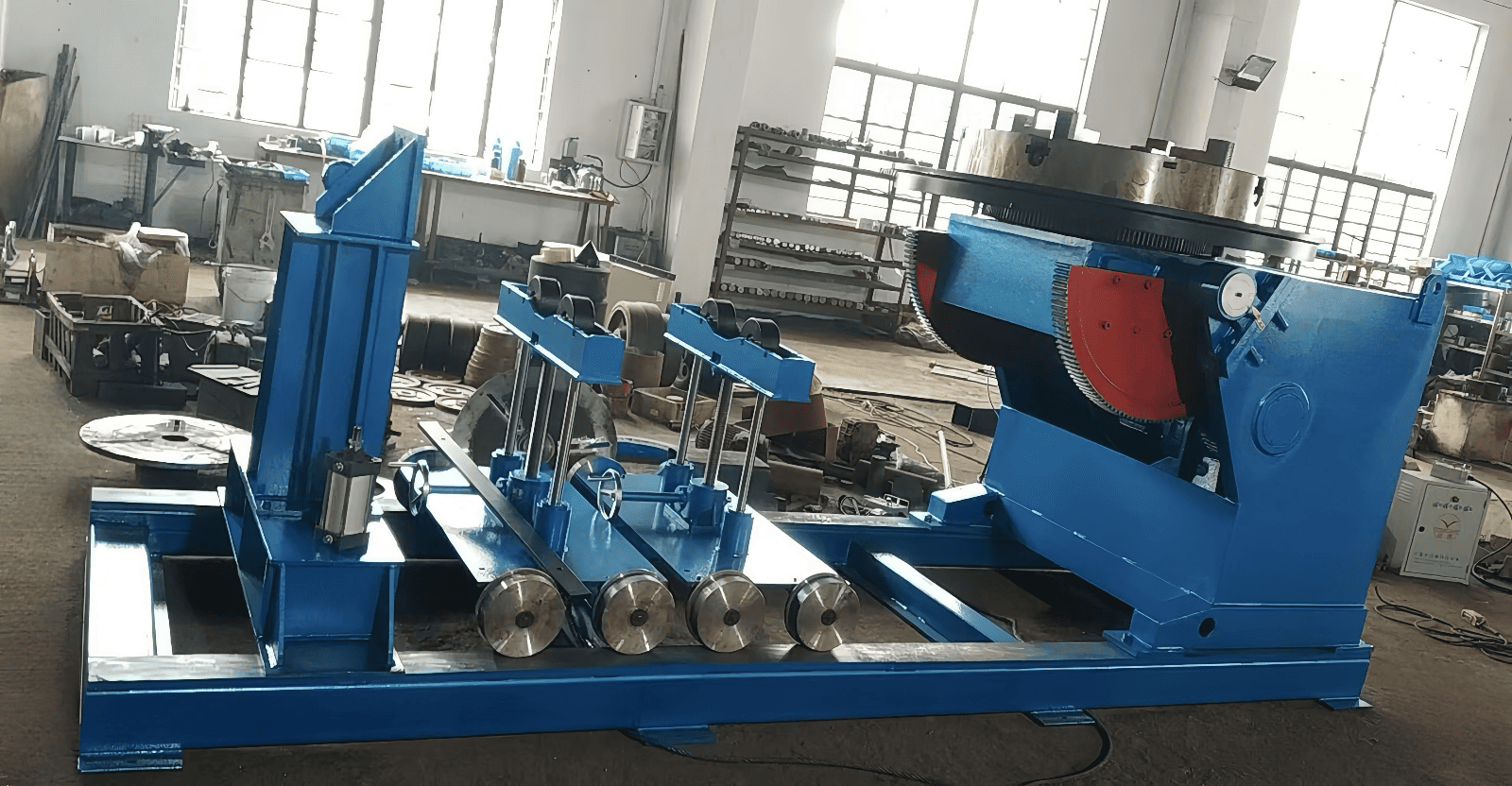
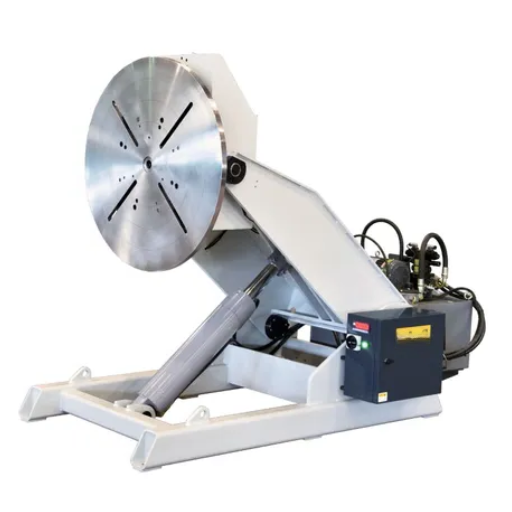
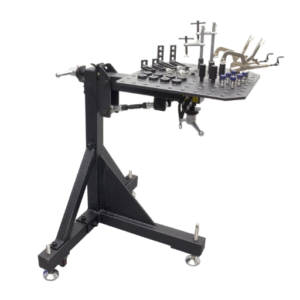
Floor model positioners serve as dedicated equipment which boosts productivity and accuracy for welding and fabrication and assembly operations. The positioners which I studied through research studies exist to provide operators with easy access to work on heavy workpieces because the positioners can rotate and tilt and hold these materials. Their robust design and high weight capacity make them invaluable in industrial settings where large-scale projects require precise handling and maneuverability. The tools provide safety benefits to workplaces through their ability to decrease manual work which needs to move items while they protect the workpiece. Today’s floor model positioners use modern technology which enables operators to create automated systems that control machine movements through programmable controls and variable speed settings and automated rotation. The system allows me or any operator to create custom movement patterns which match operational needs because it automatically adjusts to different work requirements. The products enable robots to operate welding machines which improves efficiency through automation within manufacturing environments. The development of new technologies has made these machines easier to operate for all types of businesses which want to enhance their production standards. The process functions as an essential element which helps industries achieve their three main goals of producing accurate and consistent and efficient results.
Uses in Heavy-Duty Applications
Pipe beveling machines operate as vital machinery components which various heavy industries need to function their operations. The machines prepare pipes for high-pressure systems because they need to create welded joints which can withstand extreme operational stress. The equipment uses their capacity to process large diameter pipes and thick materials in order to make accurate bevels which engineers need to create strong secure joints. Modern beveling machines use cutting-edge cutting tools together with automated systems to deliver exceptional precision and reliability throughout demanding operational conditions. The system guarantees that industrial projects achieve maximum safety standards together with top product quality while production efficiency remains high.
Benefits of Floor-Standing Options
Industrial operations prefer floor-standing beveling machines because these machines provide multiple benefits to their extended work needs. Equipment designed with strong materials can perform its complete workload because it operates effectively with multiple types of materials, which includes steel and alloy plates. The machines excel at performing heavy work because their stable design reduces vibrations while providing accurate cutting results. Floor-standing equipment uses powerful motors together with its automated system to produce steady performance results, which helps companies reduce downtime and increase total work efficiency. Their ability to handle larger materials makes them essential for industries that require exact precision and dependable performance, particularly in shipbuilding and energy and construction work. Modern industrial needs make the equipment a financially sound choice because its flexible design and extended lifespan provide value throughout its operational lifespan.
Comparative Analysis: Benchtop vs Floor Positioners
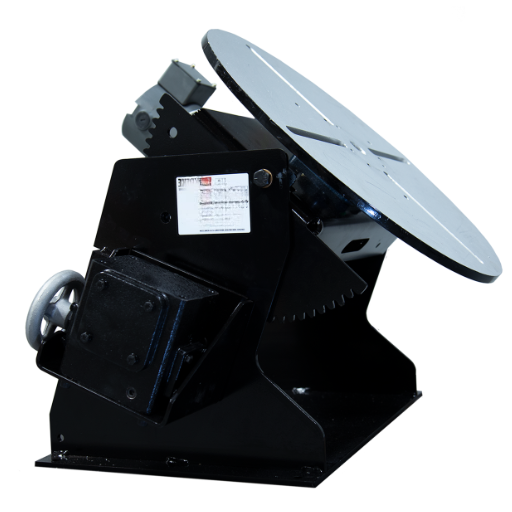
Size and Space Considerations
The selection of positioners for specific applications depends on their size and space requirements according to the comparison between benchtop and floor positioners. Benchtop positioners occupy less space because they are built to work in tight areas which makes them perfect for jobs that need exact control of light materials. The equipment can be moved easily and takes up minimal space which makes it suitable for use in workshops that have restricted areas while still delivering high performance. Floor positioners need more floor space than their counterparts because they are built to lift and move large heavy materials. These systems operate most efficiently in industrial environments which provide sufficient room for their complete functionality. The robust machines require high ceilings and open layouts for their installation, which enables operators to perform advanced welding and fabrication tasks. The decision between these two types of positioners will be based on two factors which include understanding spatial requirements and operational capacity to achieve maximum operational efficiency.
Performance and Power Differences
Positioners need to be evaluated through their performance and power attributes because these factors determine their operational success in different industrial settings. Servo-driven positioners demonstrate their capability to handle precise tasks which require both accurate movements and detailed finishing work because they possess high response rates and exceptional precision. The hydraulic positioners deliver high operational strength together with exceptional capacity to handle loads which makes them suitable for environments that require powerful equipment. The selection of systems occurs based on the specific needs of projects which include determining the weight of materials that need handling and understanding how accurate results must be. The engineering field has developed new technologies which improve both methods because manufacturers now produce tools that meet different demands found in contemporary industrial settings.
Cost Implications for Woodworkers
Woodworkers face different cost implications because their equipment and tool choices and project sizes determine their expenses. Woodworking businesses require substantial upfront costs to acquire industrial-grade saws and sanders and CNC routers which serve as essential equipment. The tools provide long-lasting performance which enables users to save money through their extended operational lifespan. Small-scale woodworkers who work as hobbyists choose to use less expensive portable equipment because they need to find. The total expenses of woodworking projects depend on various factors which include maintenance expenses and replacement part costs and raw material prices for lumber and finishes. Woodworkers must understand these cost dynamics because it enables them to create sustainable operational plans.
Key Tools: Drill Press, Lathe, and More
Integrating Drill Presses with Positioners
The combination of drill presses with positioners establishes an effective system for executing precise drilling tasks which are needed in woodworking operations. The positioners provide precise workpiece alignment which guarantees that operators will drill holes at their required angles and depths. This solution fulfills its highest value when applied to projects which need multiple drilling operations because it helps maintain consistent results while minimizing human mistakes. Modern positioner technology has progressed to introduce features such as adjustable clamps and digital angle gauges and quick-reset systems which enhance equipment usability through their expanded function capabilities. The tools function to support different materials and project dimensions which results in higher operational efficiency for users. The integration of drill presses with positioners brings two benefits which include improved operational efficiency and better safety measures because it keeps materials securely fixed during the operating process. Woodworkers can produce professional-quality results while controlling their methods which allows them to achieve dependable output and complete control over their work.
Using Lathes in Combination with Positioners
Lathes, when used with positioners, deliver unmatched accuracy and operational flexibility for different machining applications. This combination proves especially useful for operations that involve turning and shaping and polishing of cylindrical materials. The positioner secures the workpiece firmly, allowing the lathe to operate with maximum efficiency and accuracy. The implementation of programmable positioners creates modern systems which permit precise position control and enable operators to produce repetitive movements needed for their advanced work requirements. Using a positioner reduces user fatigue which enables workers to maintain continuous operation, thus enhancing their entire work process. The industry improvements enable craftsmen and manufacturers to fulfill their production requirements while delivering outstanding quality results.
The Importance of Mortisers in Woodworking
Woodworking relies on mortisers to create accurate and efficient mortises which serve as vital components for constructing strong permanent joints. The machines are essential for building mortise and tenon joints which serve as the basic construction method for furniture and cabinet making and structural woodworking projects. The advanced features of modern mortisers include depth stop adjustments and tiltable heads and easy-to-use controls which enable their use in various types of work tasks. Mortisers help both professional woodworkers and hobbyists achieve precise results through their ability to produce consistent outcomes while minimizing work time needed to create high-quality joints. Woodworking professionals need mortisers because these machines offer both flexible usage options and exact cutting capabilities which help them achieve their best results.
Best Practices for Choosing the Right Positioner
Assessing Your Workspace Needs
The workspace assessment process starts with my assessment of project requirements which I need to execute. My work requires small-scale and detailed tasks which demand a compact workspace equipped with precision woodworking tools for crafting intricate joinery and carving. The requirements for larger woodworking projects include substantial bench space and industrial-grade equipment and sufficient space between tools to enable safe movement throughout the project area. My workspace design needs to match the size of my upcoming work requirements. Another factor I examine is the organization and accessibility of tools within my workspace. Tools and equipment require efficient arrangement which allows users to access frequently needed items from their work position to create smooth work processes. I also consider storage options for less commonly used tools to keep the area decluttered without sacrificing functionality. Proper lighting establishes essential conditions which determine project precision and employee protection. I evaluate the workspace through its capacity to deliver both comfort and safe working conditions. The combination of workbench adjustability and proper ventilation, along with ergonomic machine placement, enables me to execute extended work hours without physical discomfort. The assessment process includes evaluating noise levels and dust extraction systems while determining which safety protocols will create both secure and efficient work environments. I can build a workspace which meets my current requirements through these developed workspace design elements which will also enable my future woodworking progress and project demands.
Evaluating Tool Compatibility
The assessment of tool compatibility requires evaluation of new tools which must demonstrate their ability to function with current equipment and operational processes. The tools and resources in use must meet all operational requirements which include power needs and equipment dimensions and operational capabilities. The assessment of a tool’s reliability and performance can be achieved through the evaluation of its reviews together with expert recommendations and technical specifications. The process enables organizations to operate without interruptions while completing work efficiently and maintaining project deadlines. The process of tool compatibility assessment enables me to create an optimal workspace which leads to my highest work efficiency.
Long-Term Considerations for Investment
The evaluation of long-term investment factors requires assessment of industry trends together with data-driven insights that show potential future growth. An investor can assess investment viability through market trend analysis which includes examining new technologies and sustainable development programs. The scalability and adaptability assessment of a tool or resource is essential because it determines whether that tool or resource will continue to provide value throughout its lifespan. The use of trustworthy sources to validate evidence-based predictions will enhance the credibility of investment choices which will support the development of a sustainable investment strategy.
Frequently Asked Questions (FAQs)
What are the primary distinctions that exist between benchtop positioners and floor-standing positioners?
Benchtop positioners are smaller, lighter, and designed to sit on bench tops or benchtops, making them ideal for a hobbyist or small workshop where space and size and weight matter. Floor-standing models or floor model positioners are heavy duty and built for production shops that need durability and the ability to rotate larger pieces reliably. The benchtop positioners provide users who operate benchtop planers and stationary planers with less power yet greater accessibility for short-duration work, while floor model planers combine effectively with floor-standing positioners to support ongoing operations. The construction of welding systems and weld quality and overall design typically present floor-standing models as the superior choice for extended durability. The decision between bench top convenience and shop floor capacity to manage larger workpieces and thicker materials determines the woodworking equipment selection for most woodworkers.
Are benchtop positioners overkill or sufficient for turning bowls and small projects?
Benchtop positioners serve to meet the needs of hobbyist woodturners who work with their dedicated equipment because they provide sufficient capabilities for turning bowls and small mortise projects and light welding tasks. The precise control and flexibility of a benchtop model become essential for your work when you need to turn bowls and handle workpieces that weigh between 20 and 50 pounds. The use of floor-standing mortisers or floor model planers and positioners becomes necessary when you require precise results for extensive projects. The assessment of your bench top should include its compatibility with chucks and accessories while you verify whether your benchtops can handle weight and vibration. The benchtop units deliver maximum convenience for handling small workshop assignments while the floor models handle demanding continuous operational requirements.
Can a positioner reduce setup time and rotate workpieces for milling and welding operations?
Positioners enable operators to carry out workpiece rotation because they eliminate the need for multiple reclamping thus decreasing setup time at machine shops and welding operations. A positioner on a planer or jointer enables operators to machine different faces while handling less material which creates better workflow for complex shapes inside the shop area. A floor-standing model enables welding systems and welder tasks to achieve stable rotation during multi-pass welds while providing better control over weld quality. Benchtop options deliver identical advantages to light fabrications and fixtures which require both mobility and bench top placement. The implementation of positioners in woodworking tools and metalworking equipment improves operational efficiency and workplace safety.
Do production shops need to select floor model planers and floor-standing positioners instead of choosing benchtop units?
Production shops select floor model planers and floor-standing positioners because these machines enable operations with larger materials and work at higher thickness levels and maintain continuous operations without experiencing overheating or excessive equipment degradation. The heavy duty construction and increased motor capacity and better weld strength of floor-standing equipment enables operators to handle demanding tasks which involve high-volume work and heavy equipment loads. The production environment requires equipment which creates efficiency problems when people use benchtop planers and bench top positioners for their basic prototyping and small production needs. The material flow process achieves better efficiency results through the combination of stationary planer setups and fixed mortise/jointer stations with floor-standing positioners. The commercial shop market benefits from floor-standing equipment because it provides both extended equipment lifespan and consistent performance throughout its usable life.
Can a single positioner serve both woodworking and welding applications effectively?
The unit functionally requires matching its chuck compatibility and torque capacity and duty cycle specifications to your specific operational needs when doing light welding work and using woodworking equipment. For mixed use, look for features that accommodate both chucks for woodturning and fixtures for welding; a benchtop mortiser-friendly unit can handle small woodworking jobs, while a floor-standing model is better for welding heavier assemblies. Operators should assess welding equipment requirements and assess weld quality goals when using the positioner for tack welding or full welding because metalworking operations create different operational demands than lathe or planer work. Many shops maintain two distinct equipment lines for metalworking and woodwork because of dust and contamination issues, but a single positioner becomes a budget-friendly solution when proper maintenance and cleaning are applied. The decision requires evaluating three factors including workpiece dimensions and precision standards and equipment requirements for task transitions.
Reference Sources
Design & Development of Short Benchtop Welding Positioner
- dspace.mit.edu
- Discusses the design and industrial applications of benchtop welding positioners, highlighting their productivity benefits.
Distributed RF Design Implementation for a Multi-functional Robotic Antenna Measurement System
- ieeexplore.ieee.org
- Explores the use of positioners, including benchtop setups, in industrial RF design and measurement systems.
DMS Fabshop Welding Streamlining
- mspace.lib.umanitoba.ca
- Examines industrial welding processes, comparing positioner types for efficiency and space optimization.



![Benchtop Welding Positioner Guide: Specs, Types & How to Choose [2026]](https://resizeweld.com/wp-content/uploads/2026/05/0-8.webp)