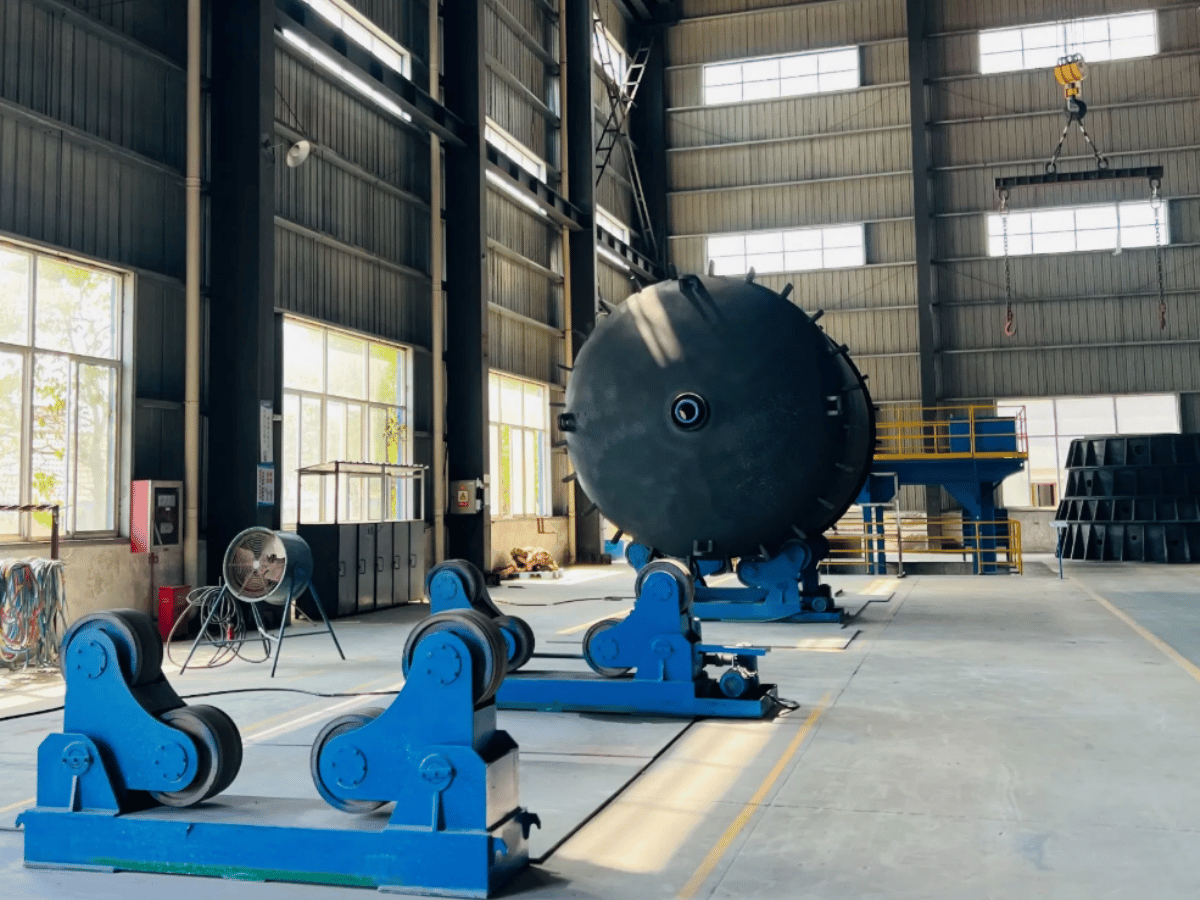
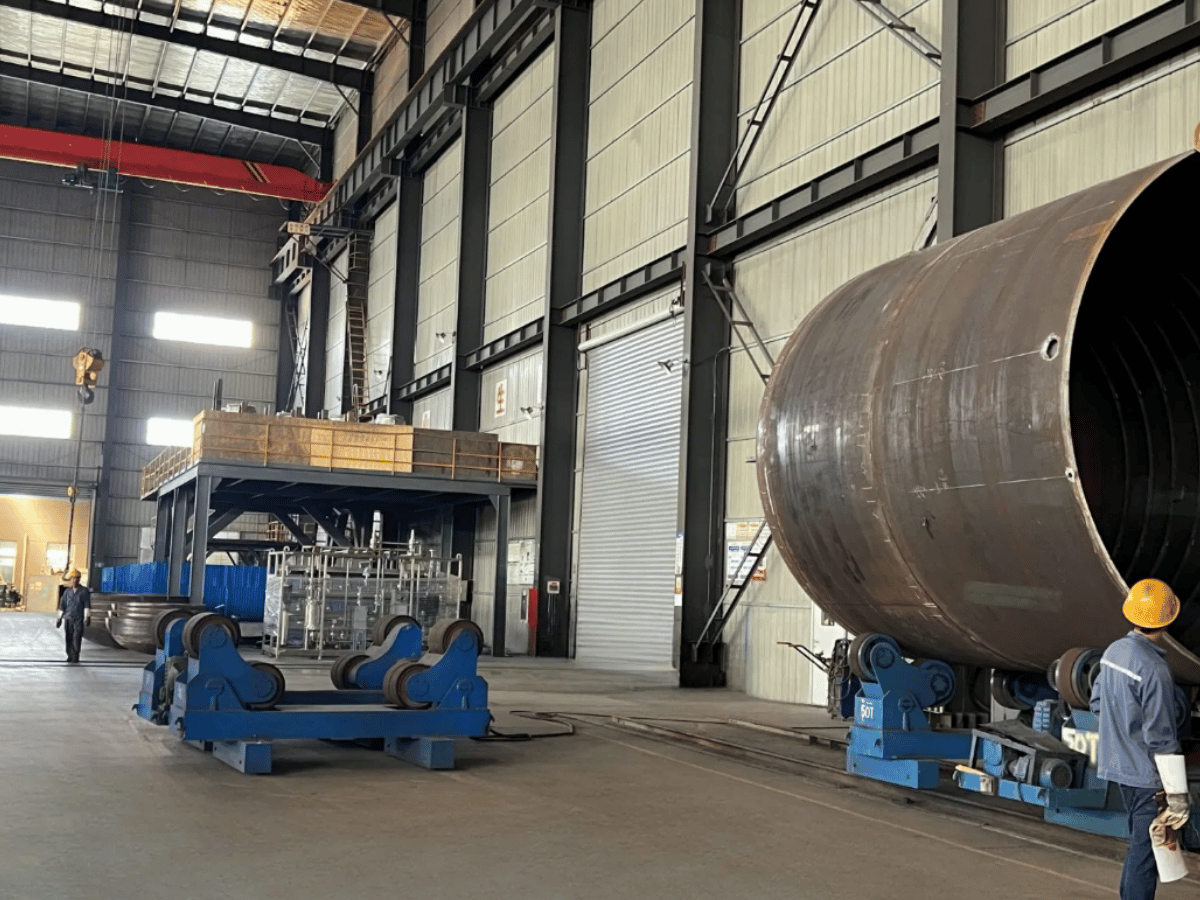
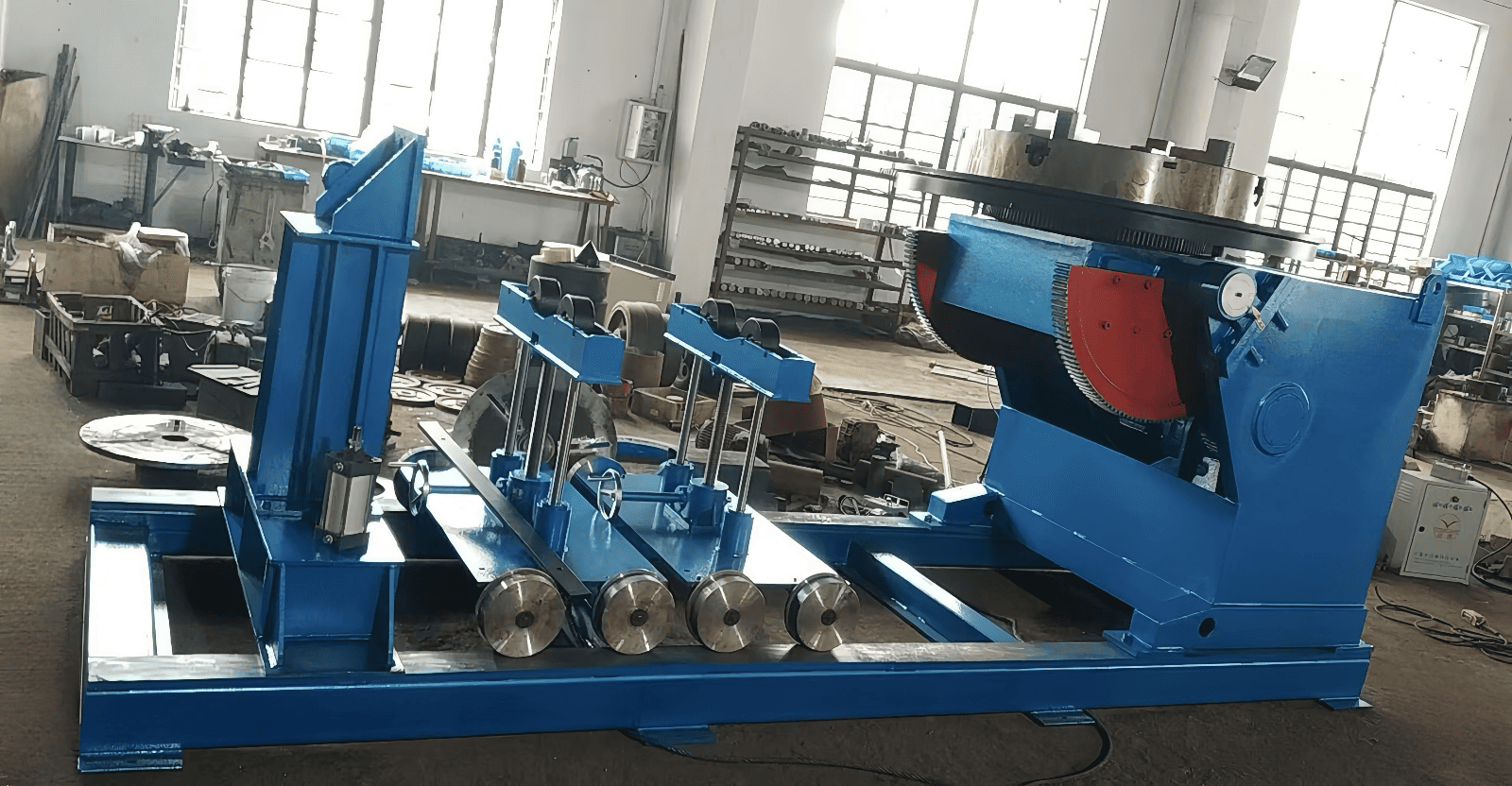
Weld chucks are indispensable for precision, efficacy, and uniformity when it comes to welding operations. Irrespective of the application, from industrial to specific ones, these weld positioner chucks fixedly hold and rotate workpieces ensuring work alignment. In this guide, we shall discuss at length the basics of the design and operation of precision weld chucks and delve into the many different chucks that are available on the market.
Insight into leading behind-the-scene mechanics of welding set up gives one better appreciation for the benefits aided by these tools that improve productivity by ensuring accuracy and reducing downtime. If you are looking to make your welding operations more sophisticated, this article will be an authentic guide to the science and application of weld chucks.
Key Takeaway
Precision weld chucks are the backbone of automated and manual rotation, providing the stability necessary to eliminate misalignment, reduce rework, and significantly enhance operator safety.
Understanding Welding Chucks
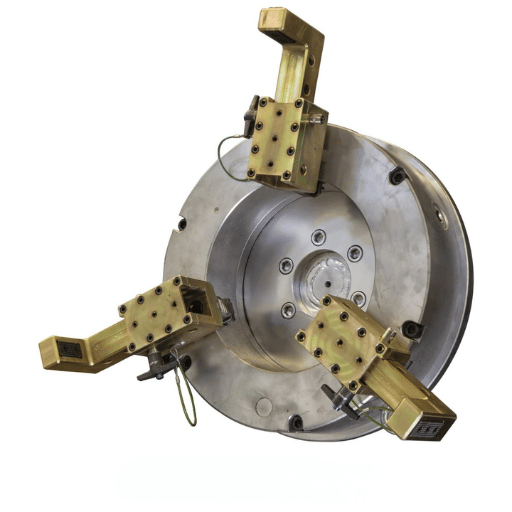
Welding chuck plays a crucial role in fixing and positioning job pieces while welding is being done, ensuring stability and high precision, which in turn gives an assurance that the welding will be done perfectly with the minimal chance of any movement or bad alignment. Usually located on weld positioners, these chucks can be programmed to hold workpieces of different shapes and sizes, thus making them suitable for diverse usage. They provide the tight grip needed for rotation with the purpose of minimizing manual adjustment on one side and improving the functionalities of the welding process and operator efficiency on the other.
What is a Welding Chuck?
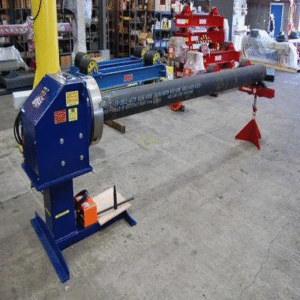
A welding chuck is a tool specially made to block iron chunks dynamically for rotation during welding. It helps to position work by moving slowly during welding, ensuring proper weld alignment. Usually, welding chucks are mounted on welding positioners or rotary tables for alignment and creating regular uniform welds. These devices hold the workpiece firmly and maintain the quality of the weld, minimize the flaws, and increase efficiency during both manual and automated welding.
Types of Welding Chucks Available
There are several kinds of welding chucks, each tailor-made for precise applications and part requirements. The most common types are the following:
- ✓
Three-Jaw Self-Centering Chucks: Commonly used for cylindrical workholders to ensure automatic centering for uniform welding. - ✓
Independent Four-Jaw Chucks: Suitable for irregular shapes, enabling independent jaw adjustment for precise positioning. - ✓
Magnetic Welding Chucks: Uses a magnetic pull to secure ferromagnetic workpieces, providing high flexibility. - ✓
Scroll Chucks: Typically used in repetitive jobs, engaging the workpiece via a universal scroll mechanism. - ✓
Custom Welding Chucks: Adapted for specialized operations and unique independent geometries.
These chucks play major roles in improving weld efficiency, accuracy and repeatability within their intended applications.
Benefits of Using the Right Welding Chuck
One of the critical measures for enhancing productivity efficiency and accuracy during operation is to choose the right welding chuck. Properly selected chucks provide excellent work holding stability that reduces the danger of misalignment and lessens material distortion, thus ensuring consistent weld quality and lessening the likelihood of any rework. This ensures a high level of production efficiency.
As per the selection of chuck, enhanced safety levels would be assured from the position which should keep the workpiece fastened up and thus prevent any injuries during operation. The manufacturers’ well-calculated selection of welding chucks, deduced from point-specific requirements, can offer them increased precision, decreased downtime, and lower costs in the welding process.
Types of Welding Positioner Chucks
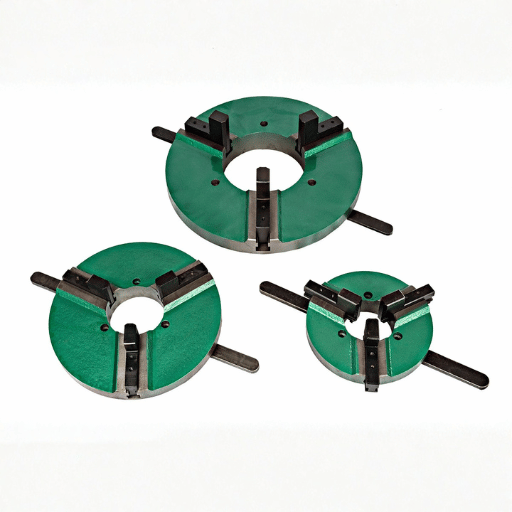
| Chuck Type | Best Use Case | Key Feature |
|---|---|---|
| Three-Jaw | Cylindrical/Round parts | Self-centering & Quick clamping |
| Four-Jaw | Irregular/Complex shapes | Independent jaw adjustment |
| Magnetic | Ferromagnetic materials | Mechanical vice-free setup |
| Pneumatic/Hydraulic | High-volume production | Automated rapid clamping |
Self-Centering Welding Chucks
Welding chucks are unusual to be centering fixtures because they are specialized tools designed to ensure the accurate and uniform alignment of cylindrical/symmetrical workpieces for welding purposes. By acting to adjust all jaws equally in a specific, coordinated manner, they have built-in self-centering and eliminate the necessity for human guidance, meaning no more error and higher operational efficiency. They come at short setup times and guarantee the ability to maintain minimum concentricity, so must be combined with applications that need great precision and repeatability for both manual and automated welding systems.
Rotary Welding Positioners
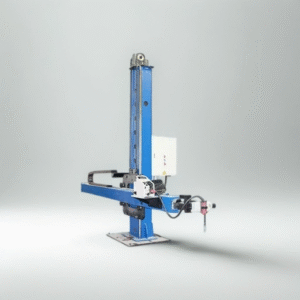
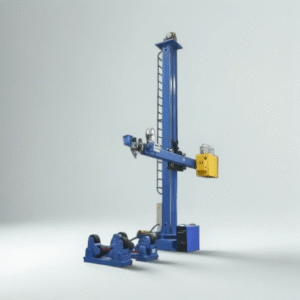
Rotary welding positioners allow workpieces to be rotated and positioned during the welding operation to ensure that welding is efficiently and accurately performed. These positioners perform complex automated applications and are useful in maintaining weld quality and access angles. They help produce welds more consistently, enable operators to work with improved weld integrity, eliminate fatigue, and provide the fast flow of work throughout the welding process.
Multi-Axis Welding Positioners
Multiple-axis welding positioners offer extraordinary versatility since they allow precise movements in any axis during welding. Flexible enough to take in the most complicated workpieces, they provide the best possible access for welding of each joint with reliability of the work. They offer synchronized movement in turning, titling, and indexing, which makes them essential for welding applications demanding very complex shapes. Automation of position setting makes multi-axis positioners reduce walk effort and may lead to cost savings, hence improving general productivity in industrial surroundings.
Choosing the Right Welding Chuck
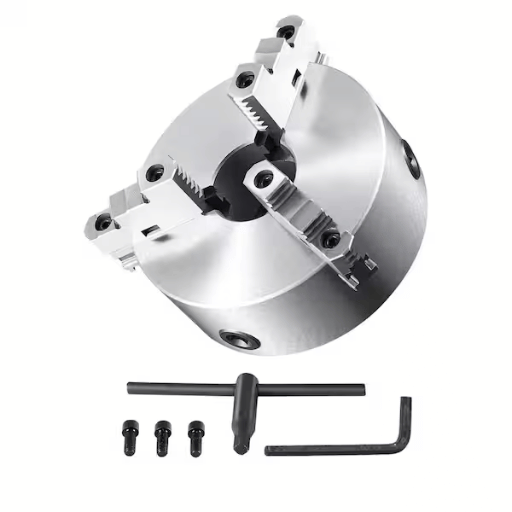
The choice of the weld chucking machinery naturally revolves around the prerequisites of one’s application. For deciding between the various weld-chuck types, one must scrutinize several calculable factors to complete the right selection:
- 1
Workpiece Size and Shape
Examine the size and geometric shape of the part to verify compatibility with the chuck jaw capacity. - 2
Material Type
Affirm the material won’t be crushed or marred by the chucking pressure. - 3
Welding Process
Ensure conformance with TIG, MIG, or robotic systems for optimal output. - 4
Production Volume
High volumes benefit from pneumatic or hydraulic systems to heightening speed.
Reviewing these factors also gives an increased measure of confidence in making the best selection for welding chuck that aids operational efficiency, quality, safety, and more.
Factors to Consider for Welding Efficiency
An alert attention to a few critical factors, in order to achieve a supreme welding efficiency, has to be contemplated. First and foremost, material type and its thickness directly affect the penetration and the quality of the weld; hence the welding setup should be concordant with these parameters. Secondly, it is of utmost importance to have supersharp equipment for work with calibration to voltage and amperage settings; in other words, equipment that does not know what defects are.
Instead, when properly maintained, the equipment will also experience being properly utilized. Not in less than a particular priority should be given to such as the preparation of the joint in the form of cleaning and beveling to achieve better fusion and also avoid rework. Additionally, the regular maintenance of the machines and tools is critical to avoiding downtime and performance variability. Fourth, the operator skill level must be thoroughly reviewed with provides for training into and checks for raising the quality of the work, focusing on the consistent high-quality product. Emphasis should be placed on raising productivity, quality, and reliability in the long term.
Comparing Different Types of Welding Chucks
The design, functional traits, and application of any particular chuck are the primary elements to consider while comparing chuck types. In an operation, the closer the fit between a machine’s type of use and the overall purpose of a specific chuck, the better chance of producing excellent-quality welding operations.
Three-jaw chucks, which, when used in many industrial applications, contribute to balanced gripping forces that center rapidly and lend themselves ideally to round workpieces. A four-jaw independent chuck allows all jaws to be altered separately for further harmonic independence and precision applications, but in reality, more manual setup will be necessary in the case of unmeasurable, noncircular objects. Magnetic-chuck applications excel when dealing with ferrous materials, giving fast setup opportunities with flat and thin elements, restricting its use to certain types of materials. Each chuck type has its pros and cons, and the decision should be driven primarily by operational demands over aspects such as precision requirements, type of material, and production volume, in order to achieve efficient and accurate welding results.
💡
Pro Tip
For high-precision TIG welding, always opt for a three-jaw self-centering chuck to ensure the electrode maintains a consistent distance from the rotating joint throughout the cycle.
Expert Insights on Selecting the Right Welding Chuck
Selecting the optimal welding chuck can be done when the unique needs of the welding operation are taken into account. For applications requiring the highest precision and rapid adaptability to a range of different variety of materials, mechanical chucks are the preferred choice owing to tubes, clamping of external refinements, and magnetic chucks represent a good choice when it comes to operations involving ferrous materials and where fast configuration and essentially no downtime are crucial.
What must be put together as the reasons that the nature of the item, its dimensional stability, the project’s production, and tolerance levels all have to be examined with great care; otherwise, the chuck will never serve that operation in the way it should have. In operation, the justified choice of chucks will increase the effectiveness of the production while maintaining the quality of the weld and the constancy of the alignment.
Applications of Weld Positioners
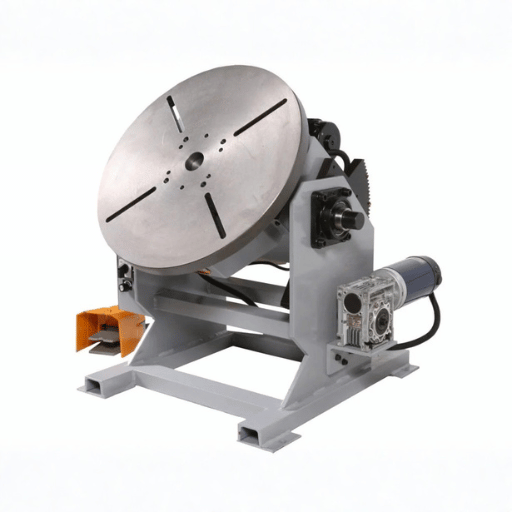
Weld positioners play a crucial role in several industrial settings to achieve better precision and productivity while welding. Commonly, these kinds of reactions are commonly used for the following applications:
- Pipe Welding: Positioners rotate pipes on longitudinal axes for optimal angles, ensuring consistency.
- Heavy Equipment: Construction and mining assemblies are rotated for all-access welding.
- Aerospace/Automotive: Precision handling for complex assemblies and high-tolerance parts.
- Tank & Vessel: Used for storage tanks and pressure vessels to provide continuous cycling.
- Shipbuilding: Aids in handling large metal structures with full joint visibility.
Industries Utilizing Weld Positioner Chucks
The weld positioner chuck finds widespread application in the industries where precision, speed, and accessibility become paramount. Key industries include oil and gas, where they aid in fabricating pipelines and pressure vessels; aerospace, where precision results in the creation of high performance. And they facilitate difficult materials processing. These chucks come into play in shipbuilding for the welding of significant and intricate structures; while the heavy-equipment manufacturing benefits from chucking oversized parts. They are highly crucial in the automotive and the construction industries for making frames, subassemblies, and intricate replacement parts. They are indispensable for any application requiring consistent and high-quality welding in very demanding circumstances.
Common Welding Operations and Their Requirements
Welding differs in so many ways based on the materials, joint designs, and final requirements of the welding. Welding processes can include Gas Metal Arc Welding (GMAW), Shielded Metal Arc Welding (SMAW), and Tungsten Inert Gas (TIG) welding methods amongst others with each welding process having its own set of factors or criteria.
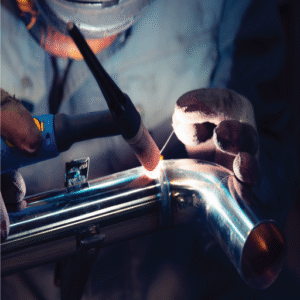
Of these, GMAW is highly valued for speed and ease of adaptability whereas proper control of voltage and continuous electrode feed are imperatives to its functioning. SMAW should be given preference for on-the-site work; it is quite portable and can be made to work in any conditions, necessitating proper selection of electrodes to avoid weld defects. TIG welding is a pretty specific way of working with tungsten electrode and dedicated silica gas, particularly made for the welding industry where a weld will have an aesthetic appearance. This includes areas such as aerospace and automotive manufacturing. Each process system that can bring dire consequences for deviation requires proper work safety measures, equipment calibration, and material preparation to ensure results.
Automation in Welding Processes
Automation in welding processes provides advanced precision, reproducibility, and productivity that surpass those of manual welding. These robotic welding systems are equipped with sensors, programming interfaces, and adaptive controls that can reproduce high-quality welds on complex geometries and diverse material types. These systems can dramatically decrease human error, increase production speed, and lessen wasted material.
Nonetheless, this can be guaranteed only after efficacious planning: choosing an appropriate robotic solutioning, integrating it with an already existing workflow, and training the operators to manage and maintain such high-end systems.
Reference Sources
- Kistler Machine: Focuses on accuracy, expediency, and safety in welding.
- Resize Weld: Highlights the paramount importance of hydraulic chucks.
- Red Rock Automation: Details the relationship between chucks and joint quality.
- Succ Welding: Underscores design features and thermal efficiency improvements.
Frequently Asked Questions (FAQs)
What is a welding chuck?Welding chucks assure job stability by allowing the materials that are being fixed to be turned in diverse positions as welding is accomplished.
Why are welding chucks so necessary for welding?The welding chuck is a tool that is used to catch the workpiece in order to keep the piece moving in the same path hence resulting in the perfect welding process necessary for the conveyor.
What are types of welding chucks?The common three there are the manual chuck, the hydraulic chuck, and the pneumatic chuck, and each one is deployed depending on the case of utility.
How does a welding chuck increase efficiency?Produce stabilization or pose just to the component you are actually welding during the welding process, as these poor magnifications are involved in distal junctions, the setup time gets greatly reduced, and the third thousandth measurement on every piece nearly disappears.
What industries would make maximum use of welding chucks?The automotive, aerospace manufacturing, construction, etc. are clichéd industries using these apparatuses for precise welding jobs.