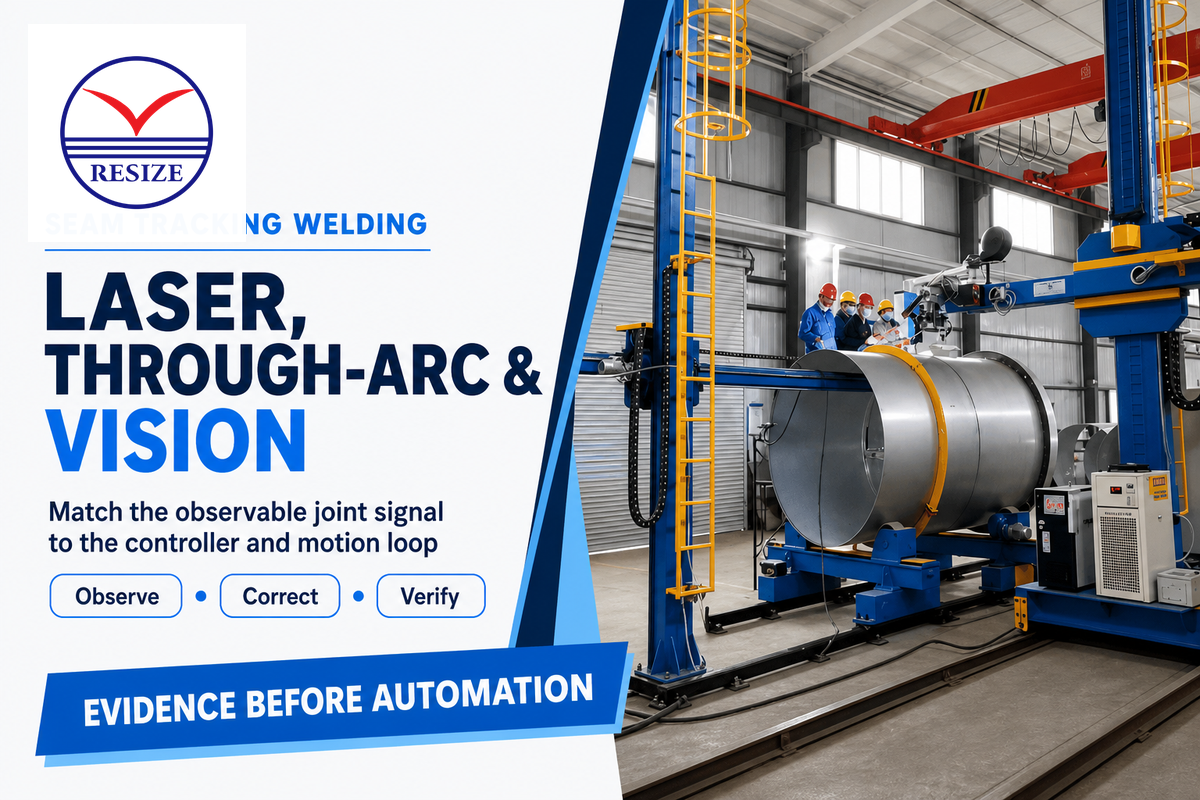
The implementation of heavy-duty weld positioners becomes essential for achieving precise results and efficient operations during industrial welding tasks. The powerful machines enable welders to create high-quality results without spending more than two hours of required work time. The selection process becomes challenging because various models provide different weight handling capabilities and equipment requirements. The guide will show you all the necessary points that you must assess which include load capacity and rotation skills and operational flexibility. The essential information which you need to know will determine the success of your custom fabrication shop or manufacturing facility production process. The upcoming content will present vital information which enables you to select your next steps with complete certainty.
Key Takeaway
Understanding the relationship between rated load capacity, center of gravity, and dynamic forces is the foundation of safe and efficient heavy-duty welding operations. Never exceed manufacturer limits to ensure equipment longevity and worker safety.
Introduction to Weld Positioners
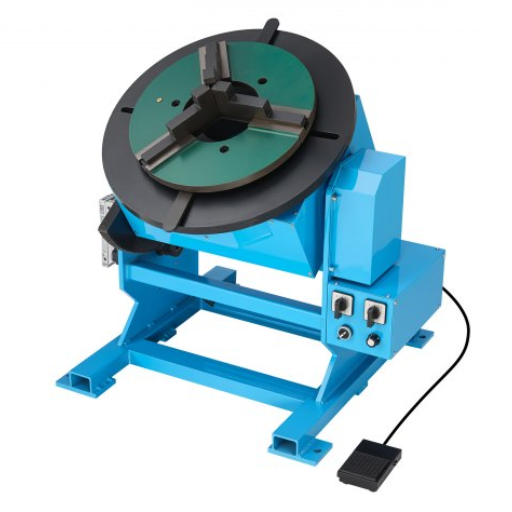
Importance of Load Capacities in Heavy-Duty Welding
Load capacities serve as essential elements in heavy-duty welding operations because they assess a weld positioner’s capability to manage workpiece weight requirements. Positioner overload situations lead to equipment breakdowns, lower operational accuracy, and create dangers for personnel. The maximum load capacity test of a positioner needs to be conducted because it determines the proper load limits for welding materials.
Manufacturers need to evaluate weight distribution and center of gravity attributes when they choose welding positioners. Equipment performance decreases because uneven loads create extra stress on machinery. A positioner with sufficient load capacity margin enables machine components to operate without damage while maintaining dependable operation throughout its service life.
Load capacity assessment needs to be performed correctly because it helps businesses maintain their productive operations while keeping their employees protected from dangers. A positioner that operates within its designated capacity ensures stable rotations and precise positioning, which are vital for achieving high-quality welds. Manufacturing facilities achieve safe operations through their load capacity decision system, which leads to higher productivity levels.
Overview of Heavy-Duty Welding Positioners
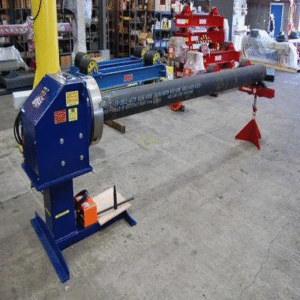
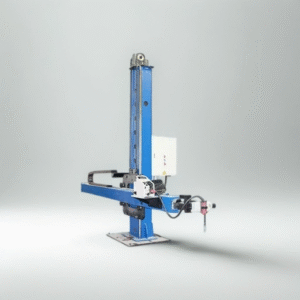
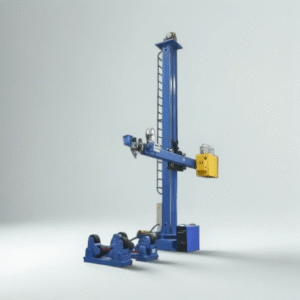
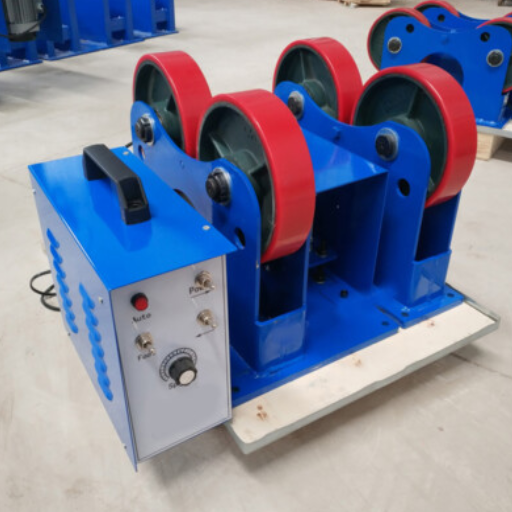
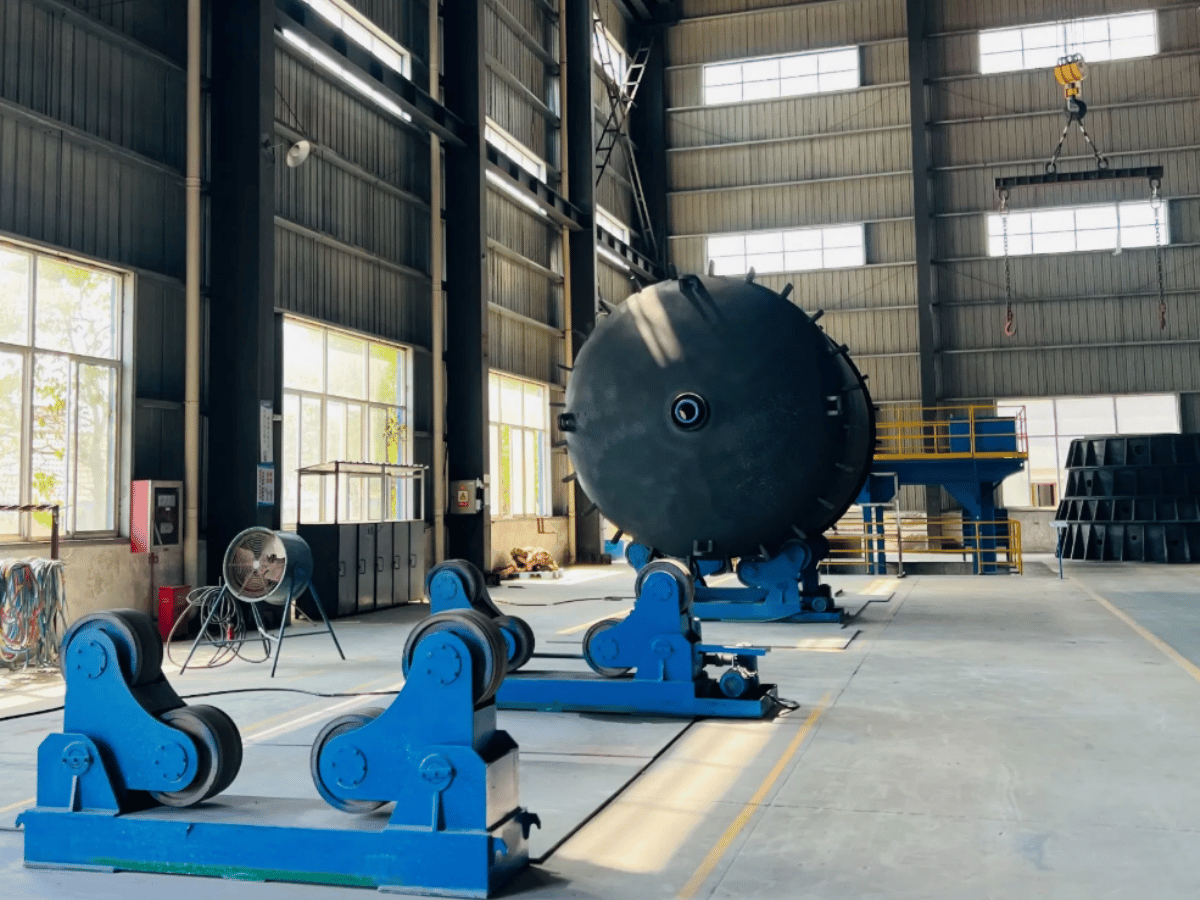
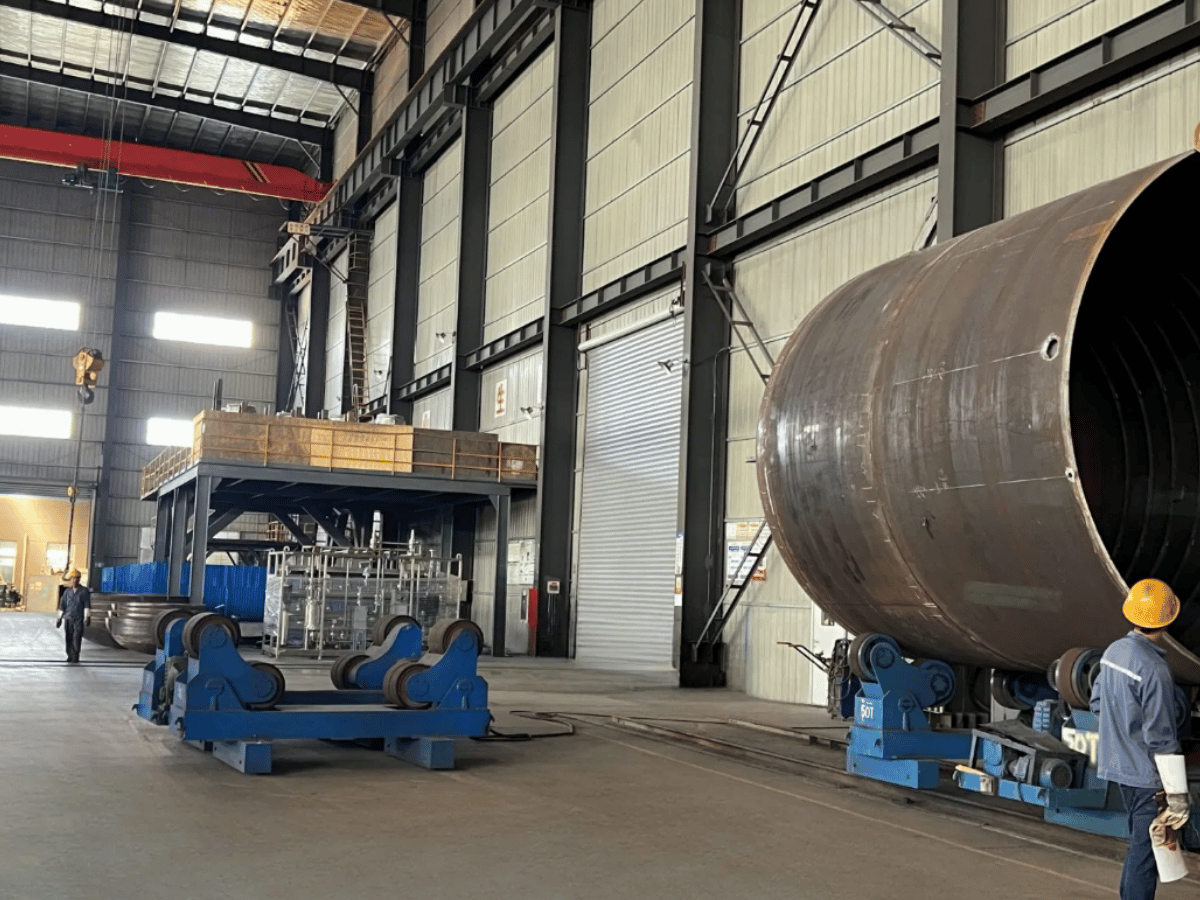
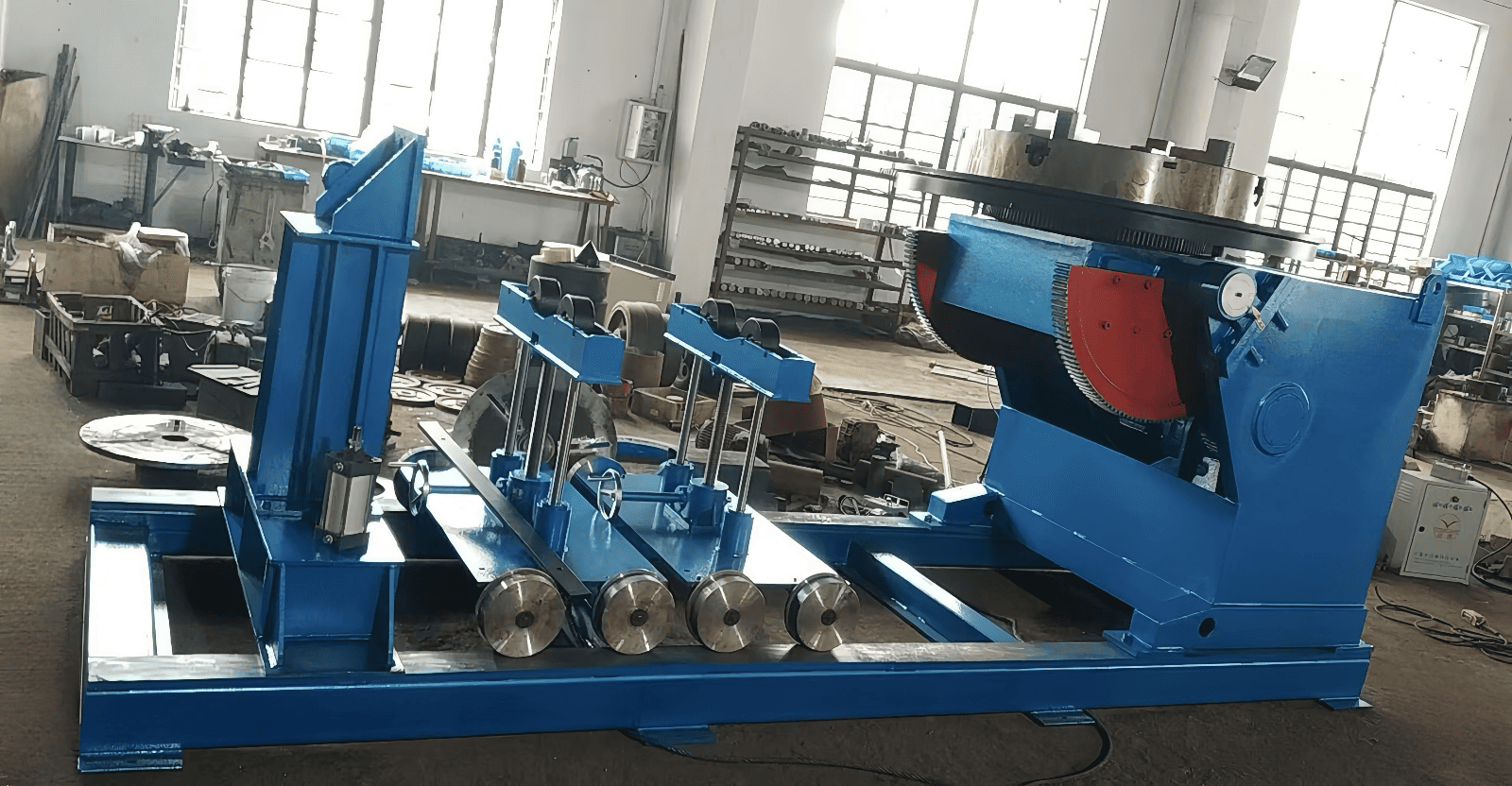
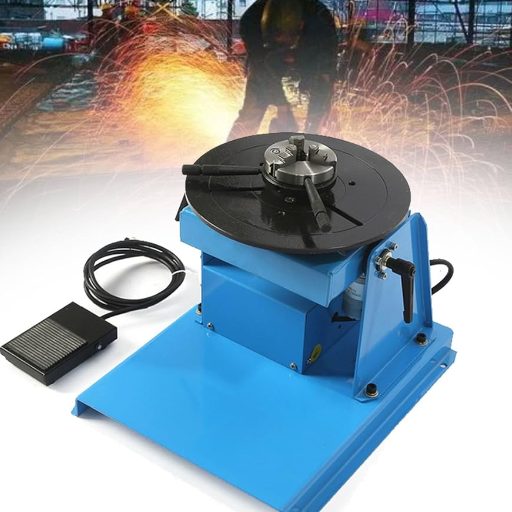
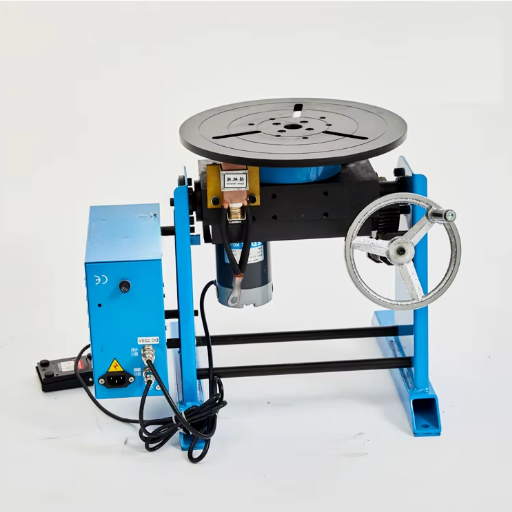
The industrial world relies on heavy-duty welding positioners as vital equipment which enables safe and efficient workpiece handling during welding operations. The devices exist because they need to process substantial weighty materials which require rotation and tilting for precise welding work. Positioners improve operator access to the weld area, which results in better weld accuracy and quality while decreasing worker tiredness and error possibilities.
The primary advantage of heavy-duty welding positioners enables them to boost operational efficiency at work sites. The tools enable continuous welding operations because they eliminate the need for workers to manually move workpieces between tasks. The system enhances workplace security because it reduces the need for workers to perform dangerous activities which involve lifting heavy materials or assuming unsafe positions. The positioners come with built-in features which allow users to adjust them for different workpiece dimensions and shapes, thus enabling their use across multiple production methods.
The operators need proper training because they must operate and maintain heavy-duty welding positioners to extend the equipment’s useful life and dependable operation. Regular inspections should be conducted to check for signs of wear or damage, such as compromised load capacity or mechanical issues. The safe and efficient equipment operation requires operators to complete adequate training for their designated tasks. The use of high-capacity welding positioners allows facilities to execute their manufacturing procedures with better accuracy, higher operational output, and improved workplace safety measures.
Understanding Load Capacities
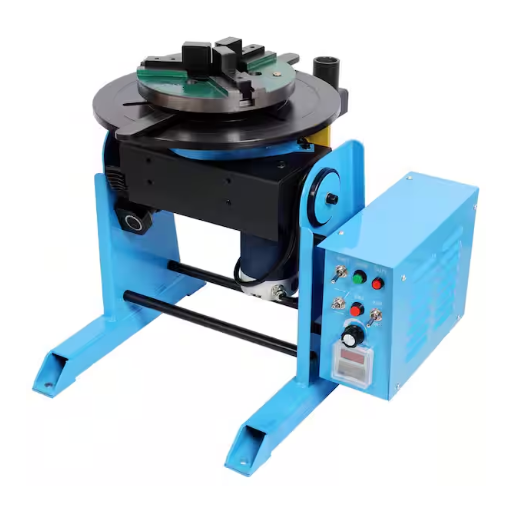
Rated vs. Actual Load Capacities
Welding positioners require two types of load capacity evaluations which include their rated load capacity and their actual load capacity. Rated load capacity defines the maximum weight which equipment needs to support when it operates under the best conditions which the manufacturer specifies. The rating process assesses multiple factors which include weight distribution and dynamic operational forces. Operators should always adhere to the rated capacity to ensure safety and performance.
Actual load capacity, on the other hand, may vary depending on the specific application, environmental conditions, and the distribution of the load being handled. Operators need to recognize that off-center and unevenly distributed loads can decrease the welding positioner’s load capacity, which results in operational instability and equipment damage. Operators must assess and account for these variables to determine the true, practical capacity of the equipment during use.
💡
Pro Tip
To achieve both safe and effective operation, equipment operators must read the equipment manual while they assess every factor which affects load calculation. Staying within guidelines minimizes risks and enhances manufacturing efficiency.
Impact of Load Capacities on Welding Operations
Welding operations depend on load capacities because those capacities determine the operational safety and efficiency of welding work. The welding positioner needs to operate according to its designed operational limits because this practice protects equipment from mechanical breakdowns and operational accidents. Equipment testing shows that exceeding these limits will damage the equipment and create unsafe conditions for the workers.
The welding process also benefits directly from maintaining proper load capacities. Equipment operational limits enable precise workpiece positioning that maintains stability, which leads to improved welding results. Weld stability during the process needs to stay intact because any movement or misalignment will produce defects that decrease product durability and reliability.
The process of maintaining load capacities requires routine inspections together with equipment maintenance. Equipment performance declines over time because of wear and tear which requires assessment of all system components to validate their proper operation. The welding operations achieve consistent high-quality production through compliance with these limits which simultaneously decreases operational risks.
Common Misconceptions About Load Capacities
People mistakenly believe that welding positioners can handle only the weight displayed in their load capacity tests when they evaluate load capacity. Load capacities display weight limits, but they also require assessment of how weight distributes across different load types, which includes balanced and offset loads. Safety and precise operations will be affected by incorrect weight distribution because operational stability will break down even when total weight stays below maximum capacity limits.
People think load capacities will remain unchanged throughout their existence, but this understanding is incorrect. Equipment wear and tear reduces its capacity to operate safely at maximum load limits. The system requires regular inspections and maintenance to stay operational while users must change their calculation methods according to the current equipment status.
People make an error when they fail to recognize how rotational torque and dynamic loads affect capacity evaluation. The forces during welding operations can apply more pressure than what static weight calculations would predict. Operators must account for these variables to prevent overloading and to maintain both safety and efficiency in the workplace.
Critical Factors Affecting Load Capacity
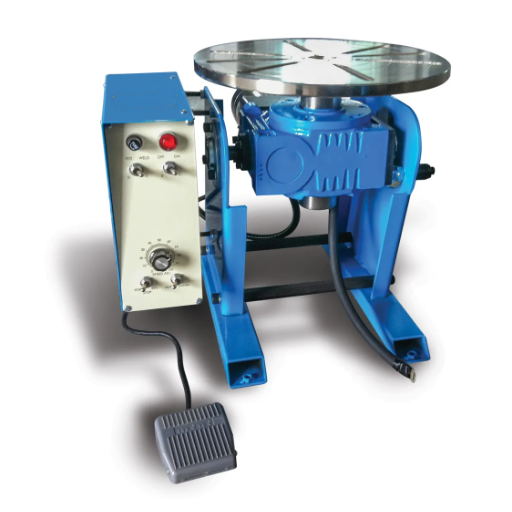
Center of Gravity and Its Importance
The center of gravity establishes operational load limits while maintaining a balance between stability and capacity. The center of gravity marks the location where an object’s weight becomes equally distributed throughout all its sections. The accurate identification and understanding of center of gravity enables safe load management, which prevents equipment from tipping over and causing accidents that result in equipment damage.
Operators must check that their load center of gravity matches the balance points and capabilities of their lifting equipment. Loads become unpredictable when the center of gravity is not correctly measured which results in tipping situations and unstable conditions. Equipment functions efficiently when proper alignment exists because it decreases unnecessary pressures and protects against accidents which results in a secure work environment.
Operators need to assess the entire load by examining its physical characteristics which include shape, size, and weight distribution in order to maintain proper center of gravity management. The process can be supported by using load testing equipment and establishing weight identification through visible weight measurement systems. Organizations that adopt these practices will achieve better operational performance because their employees and equipment will remain protected.
Offset and Eccentricity Considerations
The load capacity of a welding positioner needs an assessment of two critical factors which include offset and eccentricity. Offset defines the measurement from a load’s center of gravity to the positioner’s rotation axis. Eccentricity refers to the load distribution problem which results in an unequal weight distribution that creates an imbalance at the center of rotation. The two elements directly impact welding positioner stability and operational efficiency while introducing safety hazards which need to be managed through proper evaluation procedures.
The effective load calculation requires both offset and eccentricity elements to be incorporated into capacity assessments. This process studies how workpiece placement changes its center of gravity which then affects rotational balance. Correct calculations establish positioner operation within safe limits which protects equipment from excessive pressure and helps prevent equipment breakdowns.
The organizations that handle these factors need to perform welding positioner inspections and maintenance work to repair damage which occurs from offset and eccentric loads. Counterweights and workpiece setup adjustments should be used to enhance equipment balance and stability. Welding operations experience improved efficiency through offset and eccentricity considerations which also enhance safety and equipment durability for operators.
Effects of Multi-Axis Movement on Load Capacity
The capability of welding positioners to carry weight depends on their ability to handle multiple axis movements. The positioner system uses three separate axes to move which causes changes in equipment weight distribution that create potential risks of imbalance. When operators work with offset or asymmetrical workpieces they must control weight distribution because it directly impacts the maximum load capacity of the positioner. Equipment operators need to achieve proper alignment together with balanced weight distribution to reduce structural pressure on equipment components.
Operational stability and load capacity reduction occur because multi-axis operations create additional forces through centrifugal force and inertia. Operators need to determine center of gravity together with load tolerances because forces increase when workpieces rotate or tilt. Equipment experiences strain when operators ignore the presence of these forces which can result in complete operational failure during extreme cases. The use of counterweights together with correct load procedures helps to protect against potential dangers which ensures operational capacity.
The maintenance practices together with inspection procedures create essential elements for managing the impact of multi-axis movement on weight capacity. Operators need to track which components require replacement because continuous multi-axis use creates stress on essential parts like motor drives and gear systems. Equipment maintenance through operational monitoring helps to ensure load capacity and operational durability which results in increased efficiency and reliability.
Calculating Load Capacity
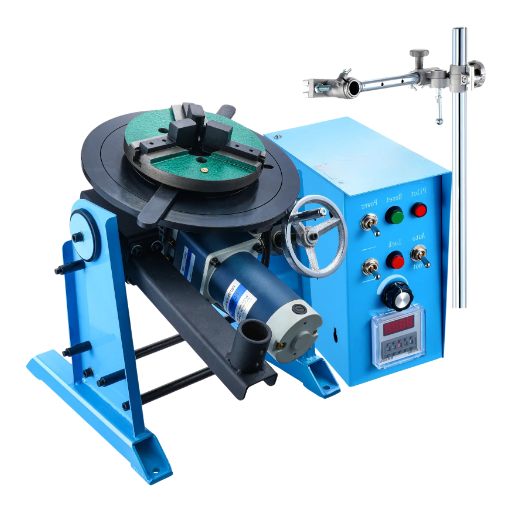
Step-by-Step Calculation Guide
- 1
Determine the Weight of the Load
Calculate the total weight including the workpiece and any additional attachments like jigs or fixtures. - 2
Identify the Center of Gravity
Locate the load’s center of gravity as it is the main component for maintaining operational balance. - 3
Understand Capacity Ratings
Examine manufacturer specifications focusing on weight limits and offset conditions. - 4
Calculate Dynamic Effects
Account for additional stress created by rotational speed and tilt angles. - 5
Perform Final Assessment
Validate total weight against limits and include a safety margin for operational variations.
Formulas for Load Capacity Calculation
To calculate the load capacity of a welding positioner, it is essential to consider factors such as the center of gravity, weight distribution, and torque limits. The following formula can be used to estimate the load capacity:
Load Capacity = (Maximum Torque / Distance from Center of Gravity to Rotational Axis)
Where:
- Maximum Torque: The maximum torque rating of the positioner, typically provided by the manufacturer.
- Distance: The measurement of how far the load’s center of gravity is from the rotation centerline.
Additionally, it is crucial to factor in the static load capacity, which ensures the equipment can handle the full weight of the load when stationary. This is calculated as:
Static Load Capacity = Total Weight of the Load / Safety Factor
The safety factor accounts for variations or imbalances in the load and typically ranges from 1.5 to 2, depending on operational requirements.
Safety Considerations for Heavy-Duty Welding Positioners
Maintenance Best Practices
Heavy-duty welding positioners require regular maintenance to achieve safe and effective performance. The process starts with inspection work that examines essential parts of the system which include gears, bearings, and motors to discover any existing wear or damage. The manufacturer guidelines should be followed to apply lubricant on moving components which will help decrease friction and protect against early component failure. The equipment maintenance schedule which maintains regular maintenance procedures enables organizations to achieve both extended equipment life and reduced operational interruptions.
The operation of electrical systems demands precise monitoring processes. The team must examine every aspect of the electrical system including its wiring, connections, and control systems to identify any indications of deterioration or loose connections. The team must resolve electrical problems immediately because this action will safeguard operational processes from potential equipment breakdowns and dangerous situations. The organization needs to ensure its power systems and control panels have proper grounding mechanisms which meet safety requirements to prevent electrical shock and fire incidents.
The team needs to establish procedures which enable them to preserve a tidy and structured work area around the welding positioner. The team must eliminate all debris, grease, and metal fragments which have built up on or close to the machinery. The maintenance of a clean work area helps prevent unintentional destruction while enhancing safety during work activities. Training operators on maintenance procedures guarantees that equipment receives proper treatment which keeps it operational at maximum efficiency.
Operator Training and Safety Protocols
The safe operation of welding positioners requires proper operator training and safety protocol implementation. Operators must acquire training to learn machine capabilities, safety features, and standard operating procedures. The training program needs to educate students about load capacity limitations, correct workpiece positioning, and early equipment failure signs. The establishment of safety rules, which include mandatory protective equipment and equipment inspection requirements, helps create a safer work environment.
Common Safety Hazards and Mitigation Strategies
Welding positioners create three main safety risks which include equipment overloads, workpiece placement errors, and machine breakdowns. An overload happens when a workpiece weight exceeds a machine’s designed capacity which creates both structural damage and safety dangers. To prevent this situation you must check the positioner’s weight limit which the manufacturer specifies and refrain from exceeding that limit. The technical team conducts equipment inspections to verify that the equipment functions properly at the maximum weight it can handle.
Another frequent hazard is the improper positioning of workpieces. Workpieces that do not receive proper fastening or alignment can shift at any time during operation which leads to accidents and machine breakdowns. To prevent this situation operators should use proper clamping systems while checking the workpiece alignment before they start the welding operation. These safety measures create a safer work environment while helping operators achieve accurate welding results.
Mechanical failures occur when machines receive insufficient upkeep or experience normal equipment degradation. The operator’s manual establishes regular maintenance procedures which help in discovering and fixing probable equipment problems. The maintenance process includes verifying all connections, evaluating essential parts and applying lubrication to all operational components. The implementation of these practices leads to a decrease in unexpected equipment breakdowns while establishing a safer workplace environment.
⚠️ Important Note
Never skip pre-operational checks. A visual inspection of the clamping mechanism and electrical grounding can prevent catastrophic failure during heavy rotation.
Frequently Asked Questions (FAQ)
Q: What is the Welding Positioner Load Capacity Guide and why does it matter?
A: The Welding Positioner Load Capacity Guide explains how to select the right welding positioner by matching the part to be welded, weldment geometry, and operational demands to the machine’s rated load. The rotary positioner’s load capacity should be understood because it enables safe operation of the heaviest weldments while reducing operational downtime and improving weld quality.
Q: How do I calculate load capacity for a rotary welding positioner?
A: The load capacity calculation requires you to measure three elements: the turntable-loaded weldment weight, the center of gravity, and the rotation torque load needed for both tilt and rotation. Extra support needs to be added for parts with cylindrical shapes and off-center weight distributions.
Q: What role does rotation torque and rpm play in selecting a rotary positioner?
A: The system performance depends on rotation torque and rpm because these factors control the system’s ability to move the weldment. The welding process needs programmable variable speed control and high torque capacity to operate at high deposition rates and synchronized multi-axis welding.
Q: Can welding positioner load capacity affect welding system throughput and deposition rates?
A: Yes. Proper load capacity allows you to automate and synchronize the welding process with robotic arms, resulting in shorter production cycles. Insufficient capacity can cause slippage or mispositioning, leading to rework and extended lead times.
Q: How do different types of rotary welding positioners (tilt, rotation, turntable) compare for complex welding applications?
A: A basic rotary table functions best with simple tasks, while tilt-and-rotation or headstock tailstock systems serve better for cylindrical and long materials. Heavy-duty multi-axis positioners provide optimal access for intricate robotic and automated welding tasks.
Q: What safety and maintenance considerations relate to load capacity?
A: Load capacity ensures safe support of parts and prevents overloading that leads to premature failure. Checking gear-driven components and lubrication needs results in decreased downtime and increased operational lifespan.
Q: How do I select the right welding positioner for my industry, such as oil and gas or aerospace?
A: Start with a Load Capacity Guide: list heaviest parts, required angles, deposition rates, and environmental demands. Aerospace requires high precision and repeatability; oil and gas requires rugged equipment resistant to corrosion.
Q: What features should I look for from positioner manufacturers to improve workflow efficiency?
A: Look for programmable variable speed drives, reliable gear-driven or servo systems, multi-axis capabilities, and proven repeatability. Synchronization features for robotics and modular expansion options are also vital for long-term ROI.
References
-
Koike Aronson Positioning Equipment Manual
A comprehensive manual covering installation, operation, and maintenance of positioning equipment.
Read more here -
NIH – Optimizing Welding Sequence and Positioner Use
This article discusses the role of positioners in automated welding operations and their coordination with robots.
Read more here - Top Welding Positioner Manufacturers and Supplier in China